A Broad Traveling Abroad

untitled design

Bams, Craks & Secrets: Inside the World of American Mahjong

Inside the Mahjong Cult

There are easier games to learn, quieter games to play, and games whose devotees are less likely to correct your terminology before you’ve finished your drink. Mahjong is not one of them.

istockphoto 1360627038 612x612

Walk past a mahjong table and you hear the clatter of tiles and a strange vocabulary. “Three bam.” “Soap.” “Joker.” “Mahj!” Everyone understands what is happening. You do not. That may be the first secret of the mahjong cult: confusion is part of the initiation.

istock 1286846548

Mahjong originated in China in the 19th century, with many regional variations. When it swept into America in the 1920s, Americans did what Americans tend to do.

We changed it. 

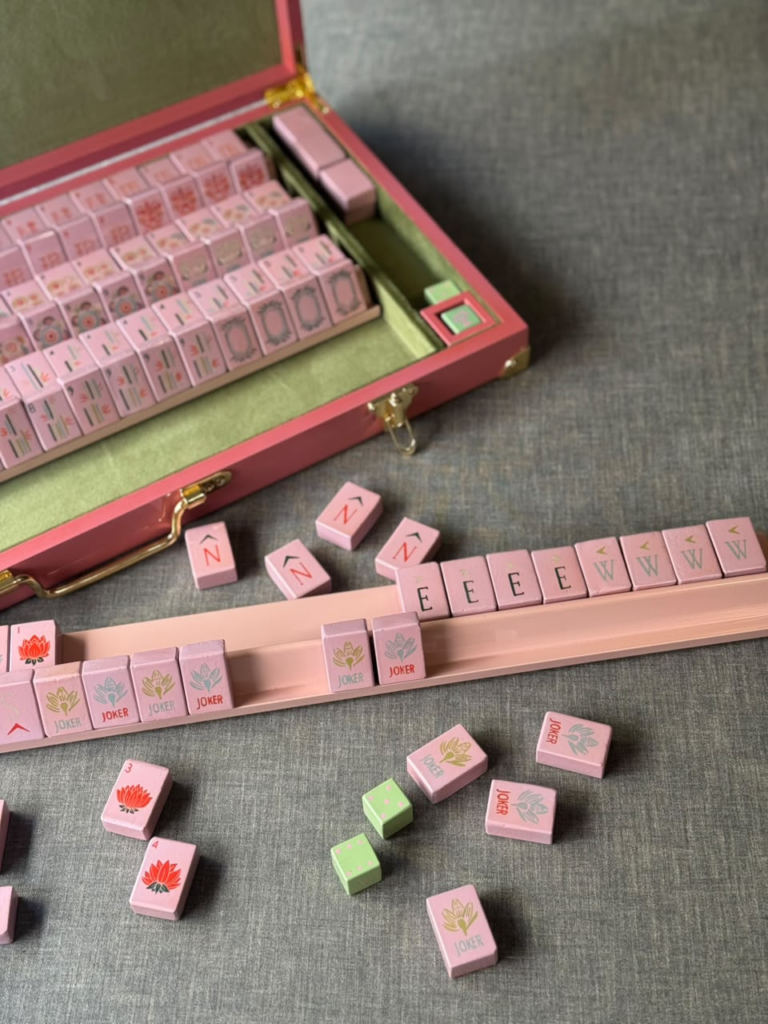
Traditional Chinese versions revolve around drawing and discarding tiles to build combinations. American mahjong added jokers, racks and an annual card of winning hands. Every year the combinations change. Imagine chess announcing each spring that the rules have been revised. Mahjong players simply order the new card and carry on.

maj moment
maj9ng rooms

Then there’s the Charleston, the ritualized passing of tiles before play begins. Before anyone has technically started, everyone is already plotting. The beginner’s first mistake is falling in love with a hand too soon. You look at your tiles and think, I know exactly what I’m doing. You don’t.

birds nest dallas
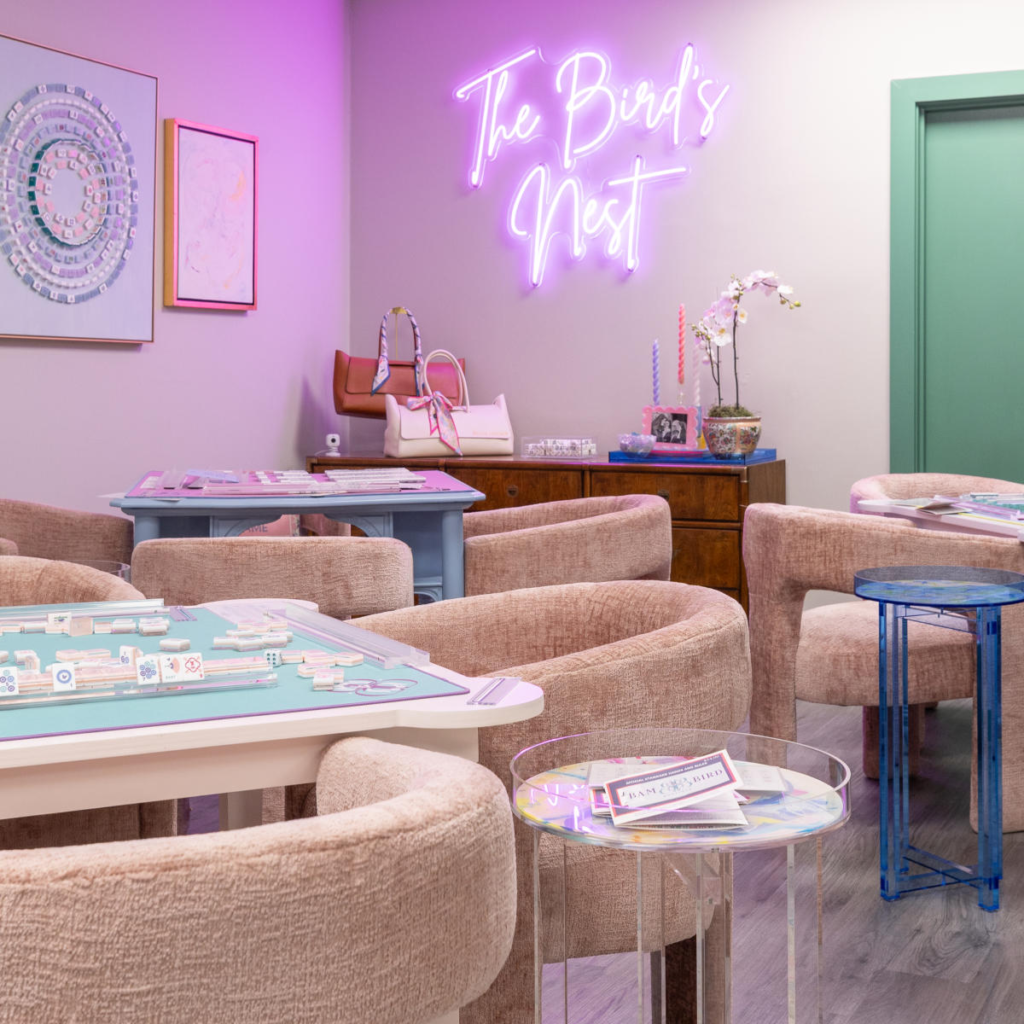
The Bird's Nest Mahjong Salon in Dallas

Good players know when to change course, and they’re watching you. Every discard reveals something. What suits are you throwing? Which dragons haven’t appeared? What are you collecting? Friendly mahjong has quietly become surveillance.

Jokers make things even more interesting. Under the right circumstances, you can exchange a tile for a joker exposed in another player’s hand. Entirely legal. Still feels like theft.

857ee0a0 12c9 4be8 99e2 70ada265d48a

When your hand collapses, you play defense. Which tiles are safe? What does the woman across from you need? Experienced players seem to remember every tile that has crossed the table. The rest of us struggle to remember what we discarded thirty seconds ago.

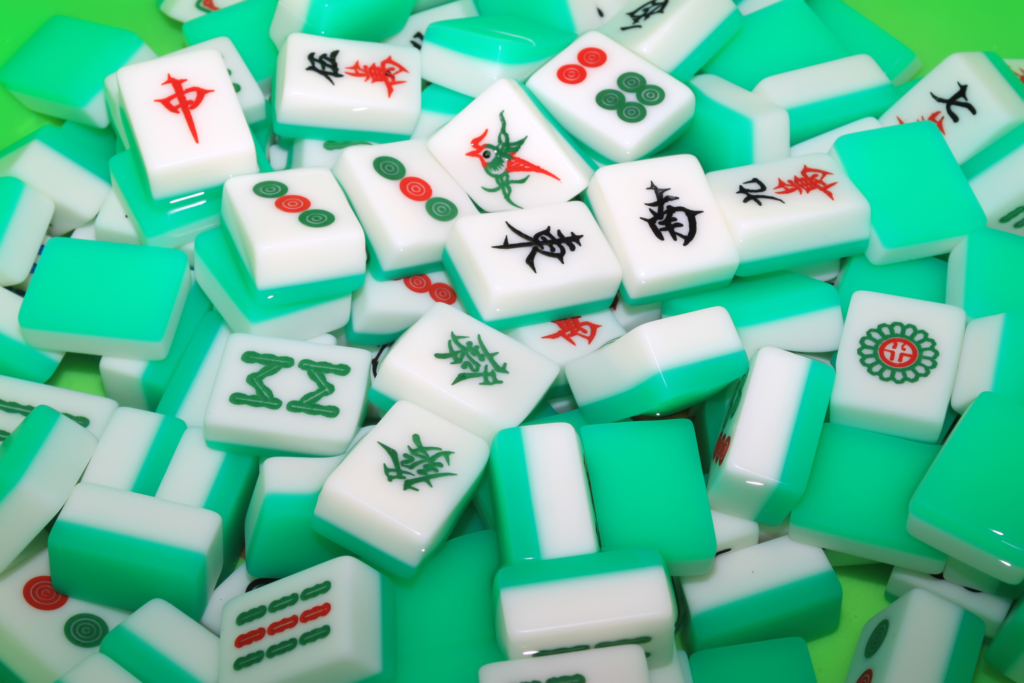
The vocabulary adds to the mystique. Bamboo becomes bams, characters become craks, and the white dragon is soap. Listen to experienced players discussing two soaps and a concealed hand and it sounds vaguely criminal.

final isabelladd sittingroom 02 664ce7141762c

Mahjong found an especially enduring home among Jewish-American women, where weekly games became social institutions passed from one generation to another. Perhaps that explains its staying power. No birthday or dinner party required. It’s Thursday. We play mahjong.

Many groups also develops their own constitution: official rules, house rules and rules somebody’s mother taught her. 

Beneath all the ritual is a very good game. You watch the discards, change strategy and read the table. Then, after twenty minutes of receiving nothing useful, someone throws exactly what you need.

istock 476389219

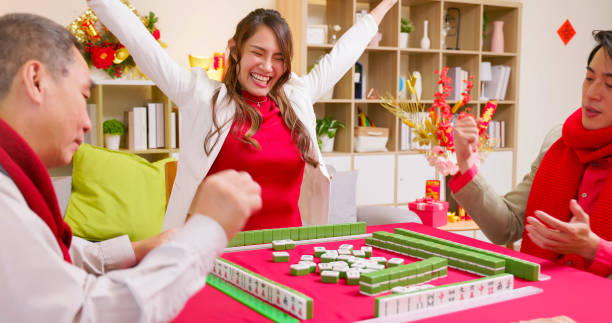
“Mahj!”

Everyone groans, the tiles tumble back onto the table and the clatter begins again.

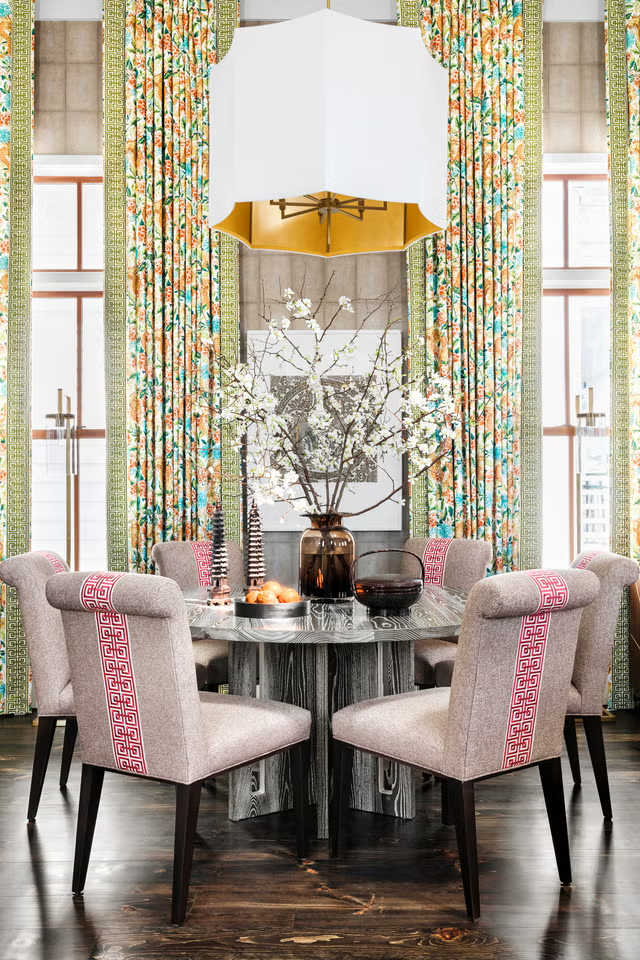
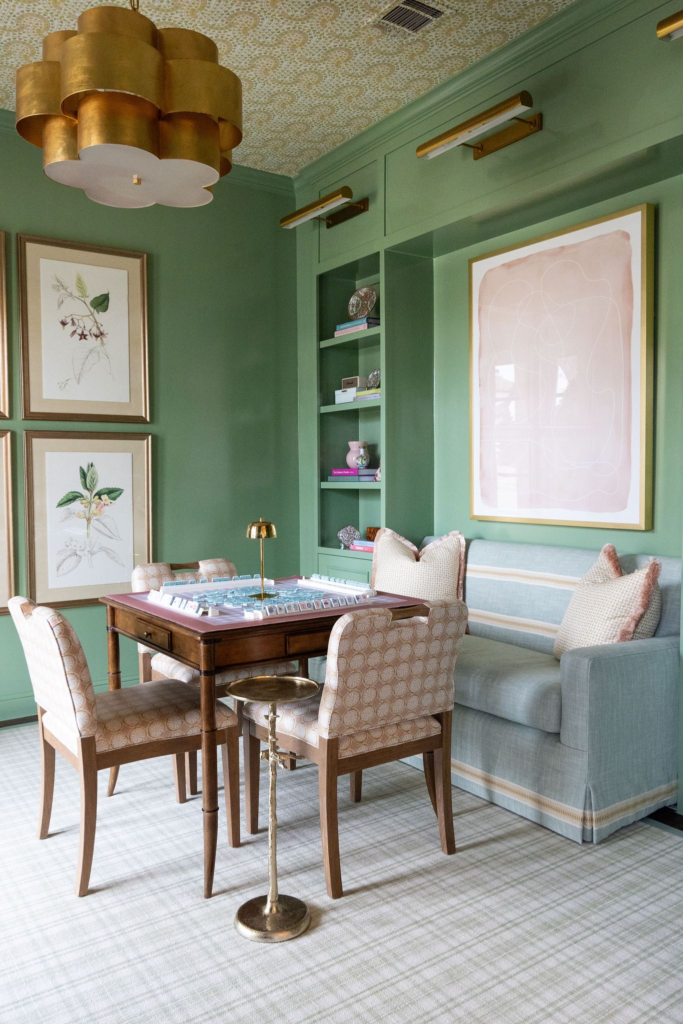
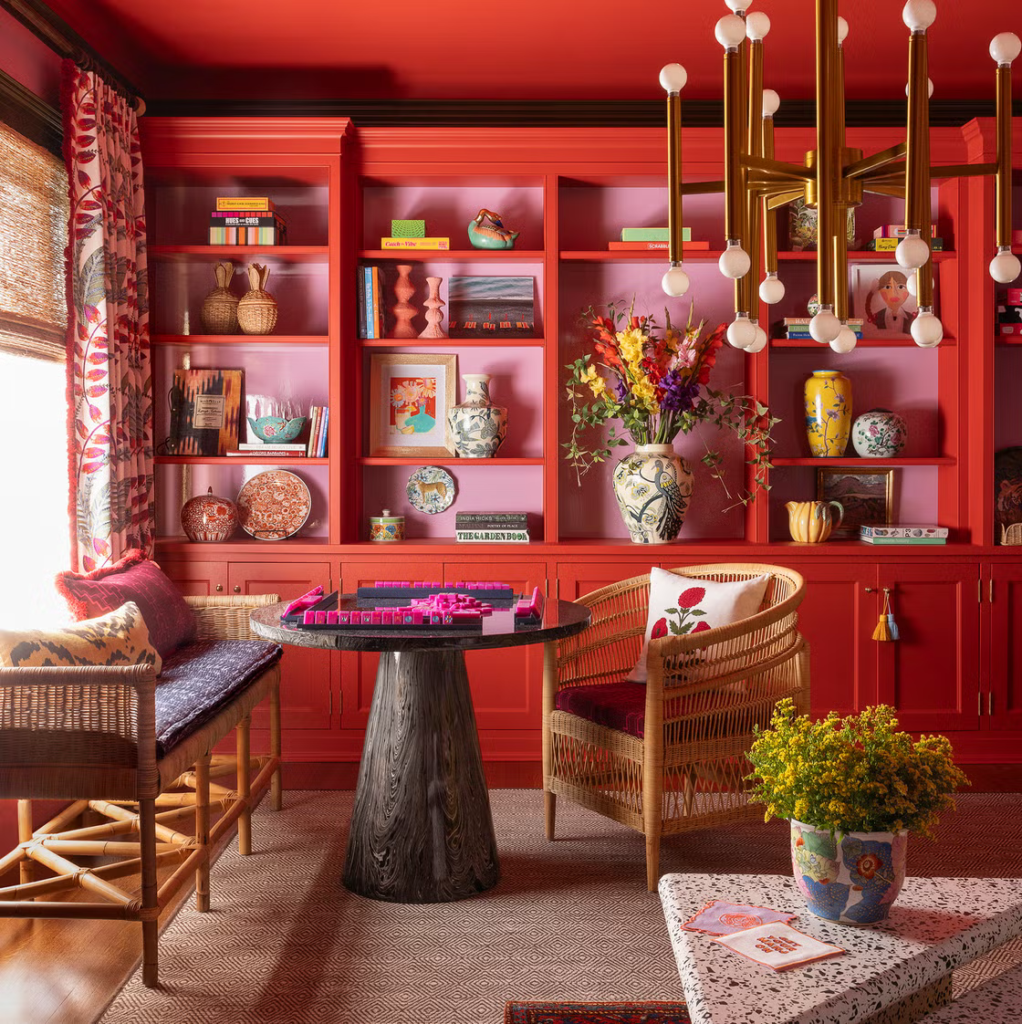
Perhaps the surest sign that mahjong has become more than a game is that it now has its own rooms. House Beautiful features spaces designed around the mahjong table—lacquered walls, upholstered chairs, chandeliers, built-ins and tables that clearly aren’t being folded up and shoved into a closet afterward. The game has become part ritual, part social club, part design obsession. And maybe that explains the cult better than anything: once mahjong gets hold of you, apparently a Thursday afternoon isn’t enough. It wants its own room.

Leave a Comment

Your email address will not be published. Required fields are marked *