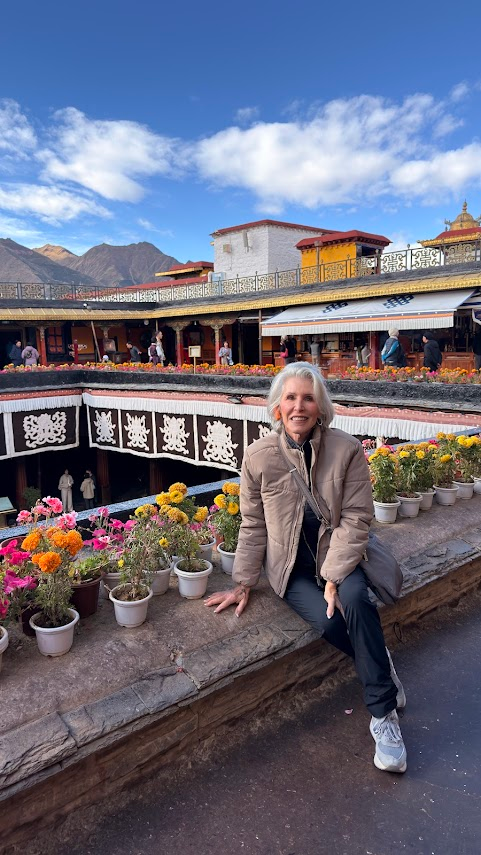
Somewhere on the steps of the Potala Palace, I stopped thinking about Tibet’s spiritual mysteries and concentrated on breathing. I am fit. I hike. I practice yoga. None of this particularly impressed Lhasa.
The altitude demanded a slower pace, and the palace demanded more steps. I stopped. Caught my breath. Continued. Repeated the process without much dignity but with considerable determination.
And made it.
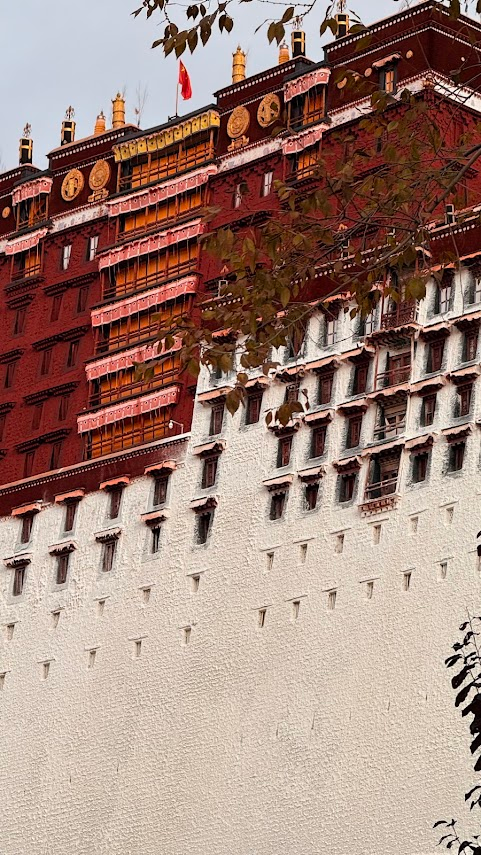
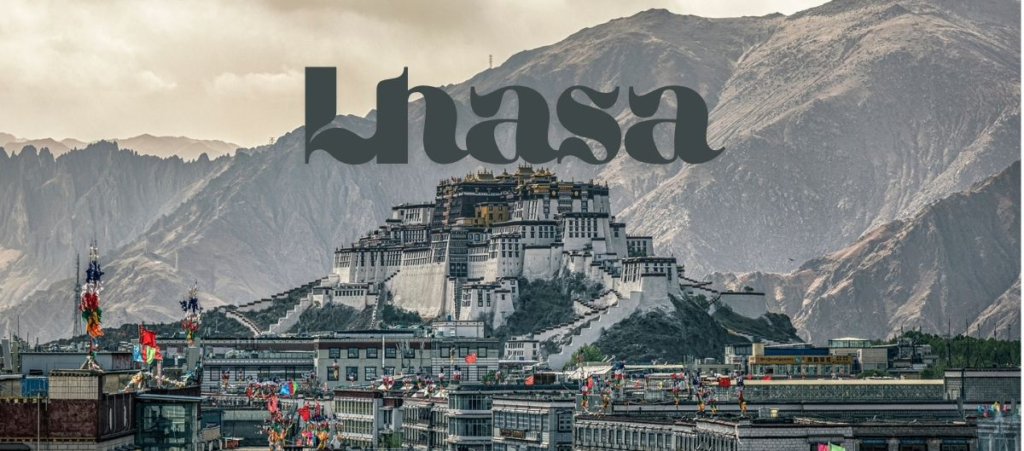
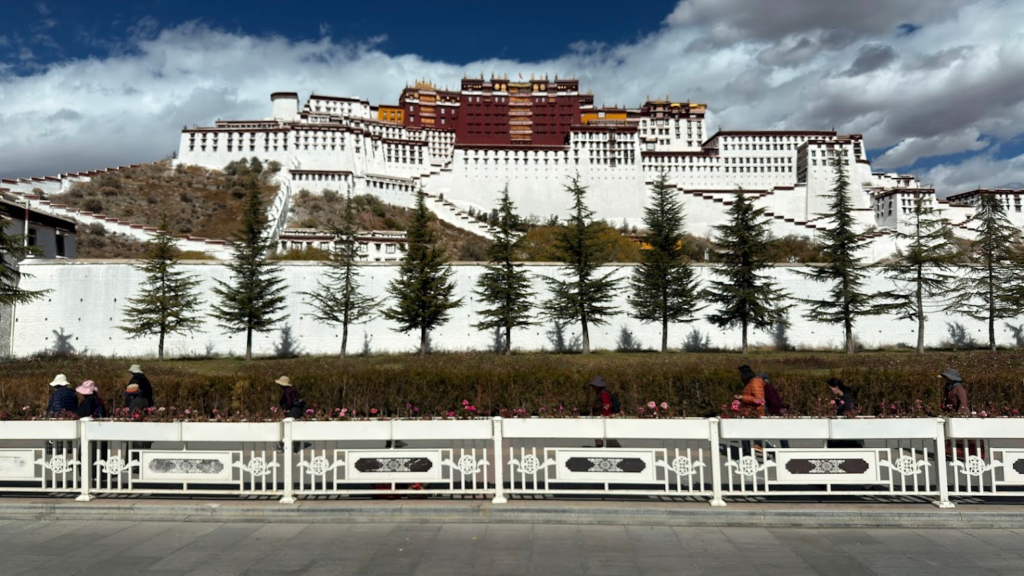
The Potala dominates Lhasa, its enormous white walls and red central buildings rising above the city. From below, it seems almost impossible in scale. Climbing toward it makes that impression considerably more personal.
This was once the Dalai Lamas’ winter residence, a place where religious and political authority occupied the same extraordinary building. Yet standing there, I found myself less interested in collecting facts than in trying to absorb where I was.
Tibet. A place I had known through photographs, headlines, and a fairly incomplete assortment of assumptions. Now I was there, catching my breath on its steps.
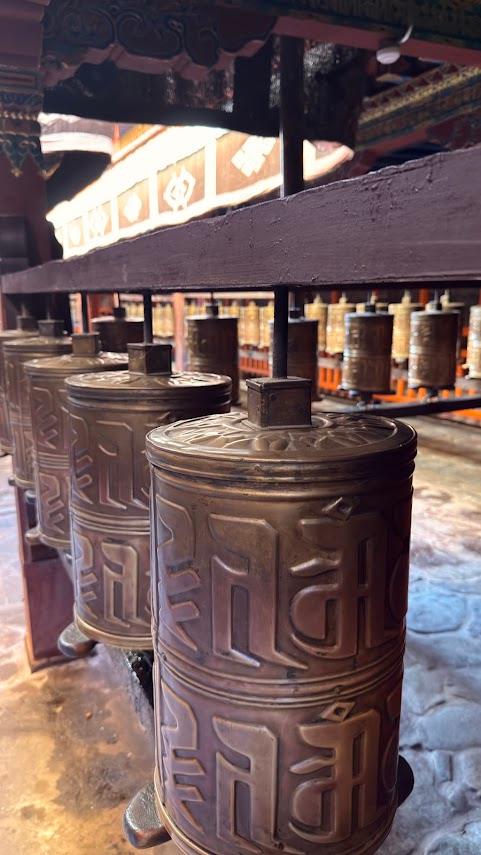
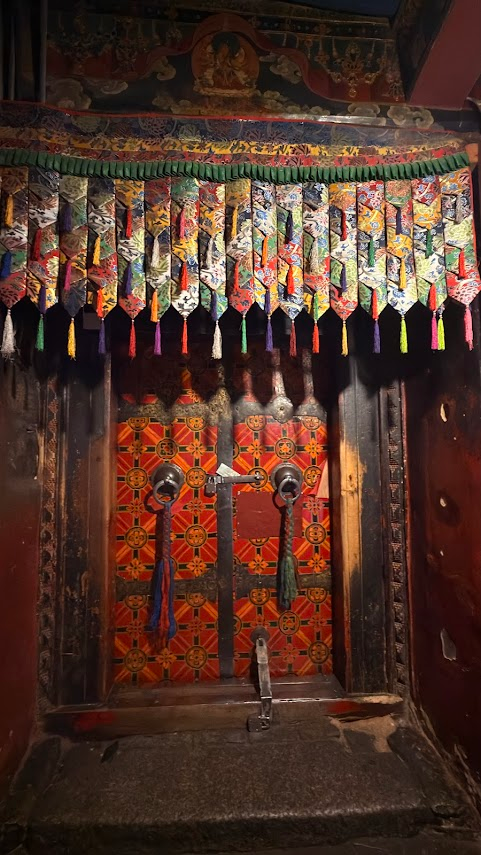
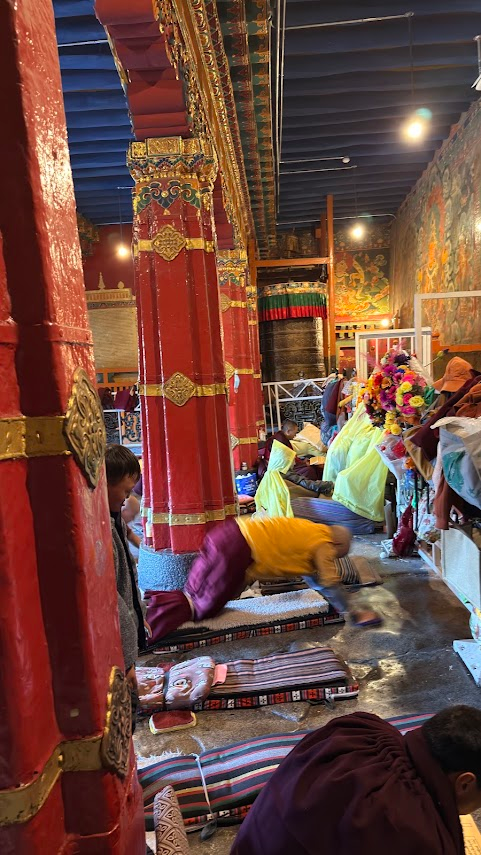
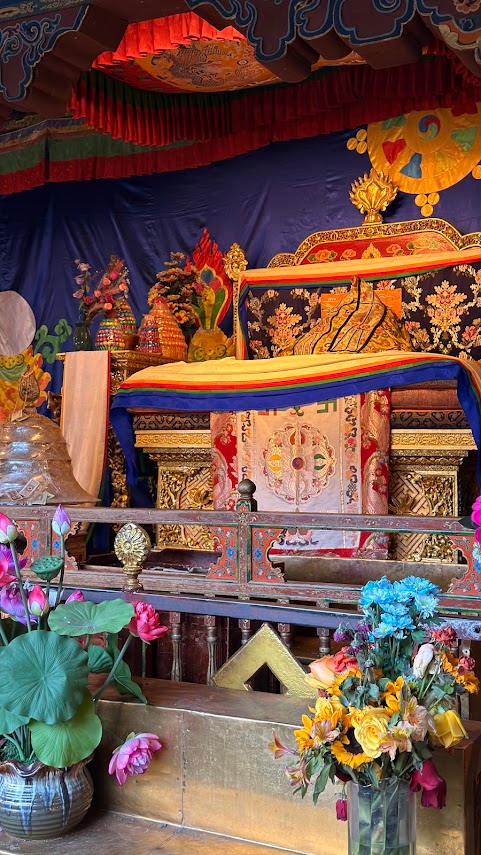
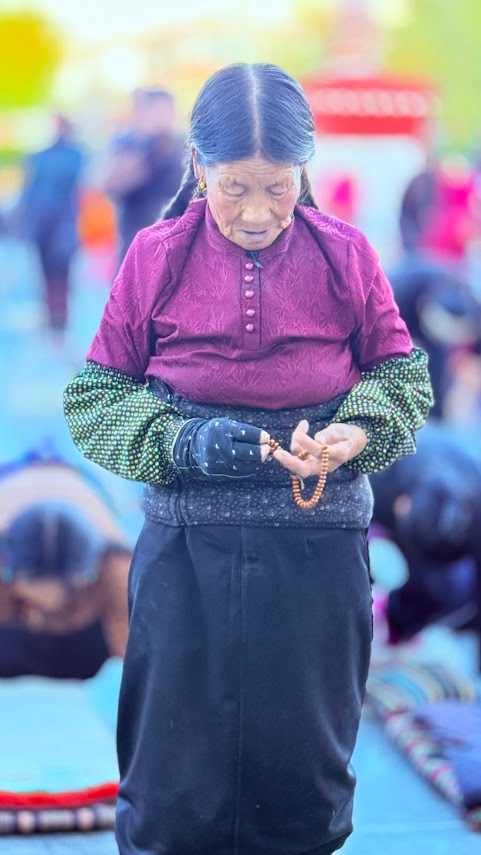
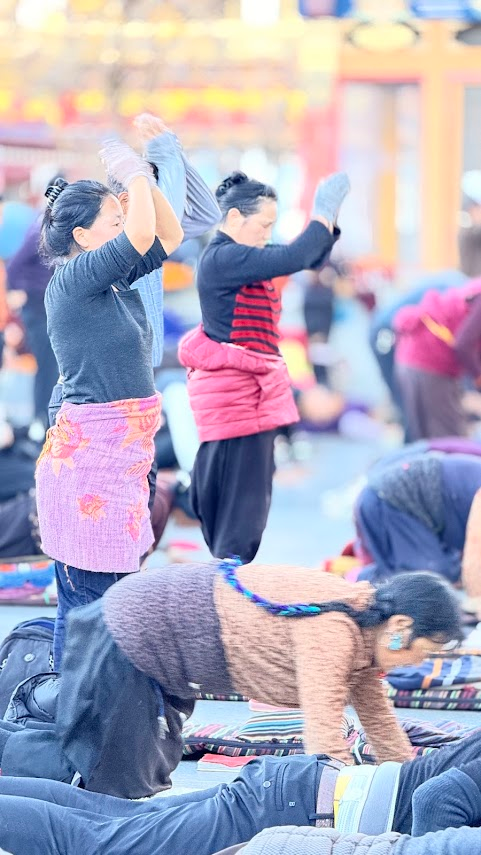
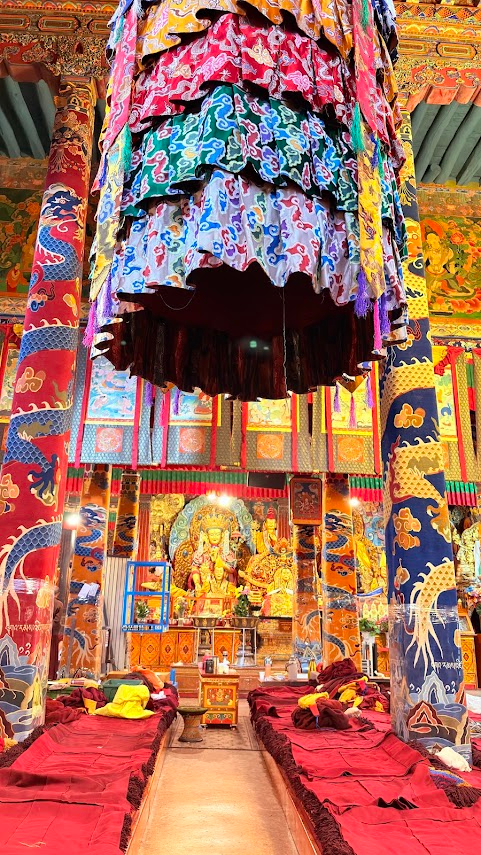
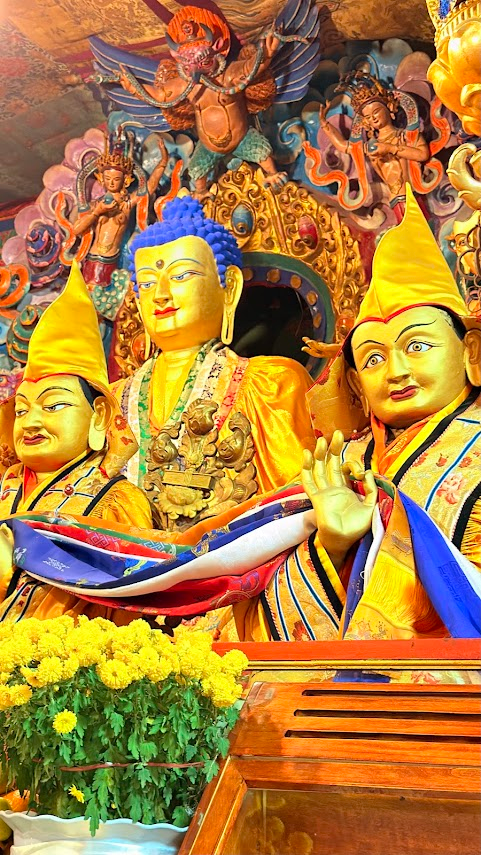
At Jokhang Temple, my attention shifted from the monumental to the repeated. Prayer wheels turning. Prayers spoken. The patient, physical practice of faith.
I watched morning prayers and thought about how much of religious life I tend to approach through questions. What does this mean? Who decides? Why this text, this ritual, this particular way of believing?
Here, belief was something people did.
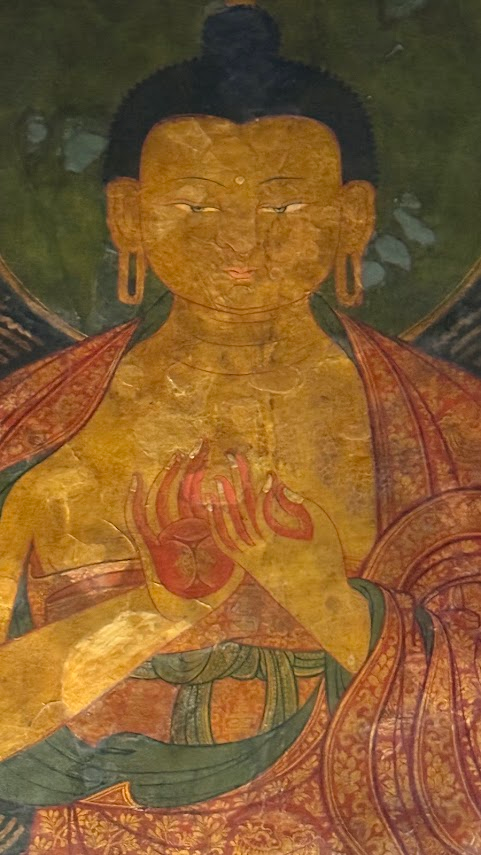
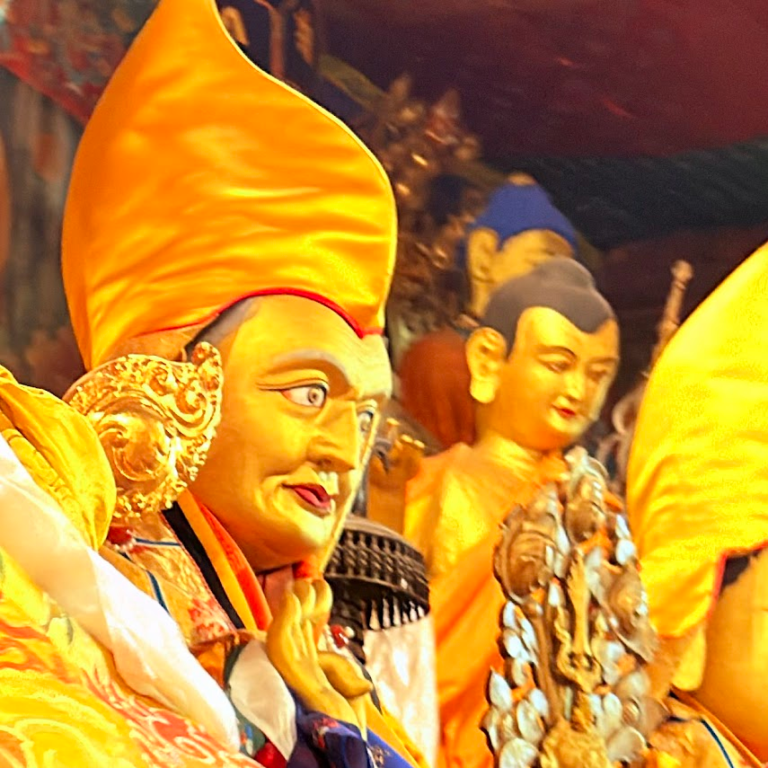
There were sacred texts—sutras—to learn about, rituals to understand, and unfamiliar details everywhere I looked. I wanted explanations. I also began to appreciate that an explanation and an understanding are not necessarily the same thing.
Knowing what a prayer wheel represents is one thing. Watching someone turn it with devotion is another.
Sera Monastery offered a very different encounter with religious study.
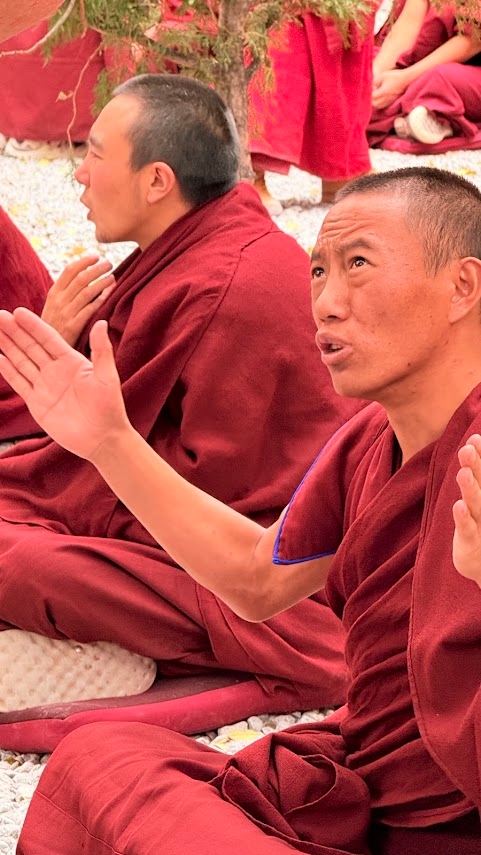
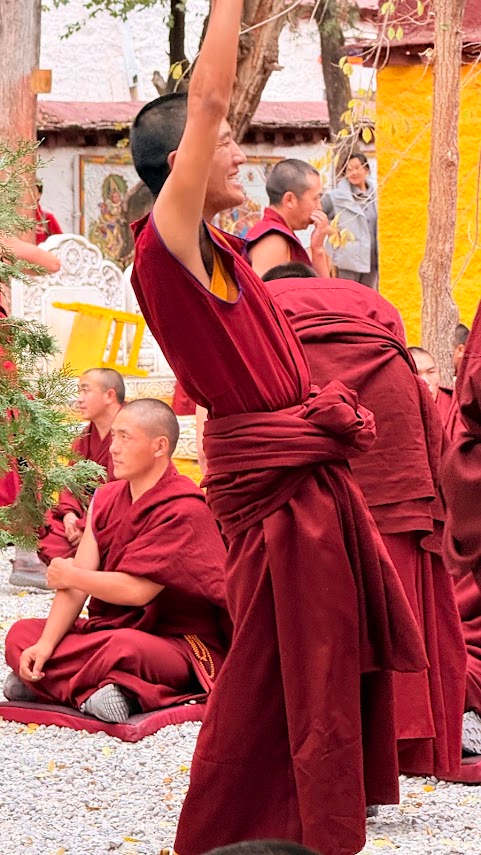
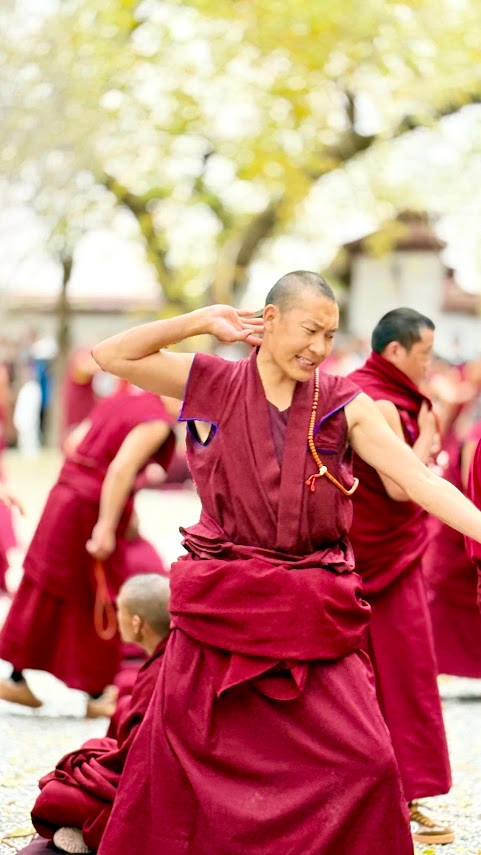
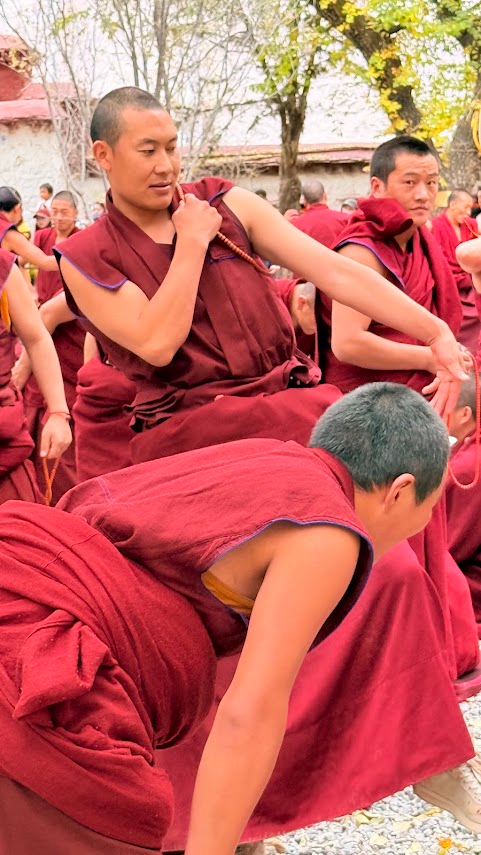
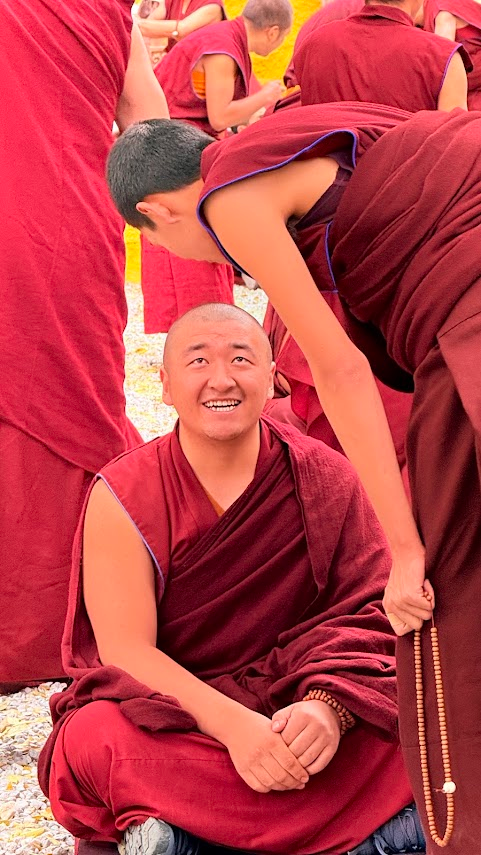
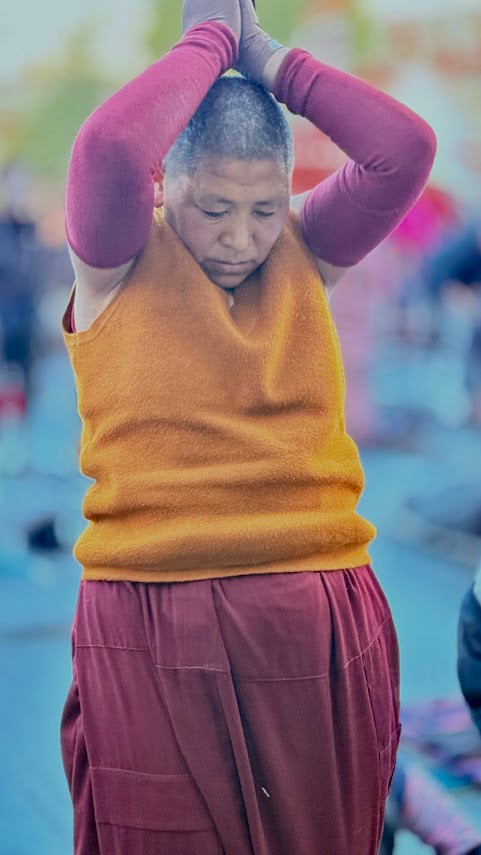
In the debate courtyard, monks challenged one another with an energy that thoroughly disposed of any notion I had of monastery life as uninterrupted quiet contemplation. There were emphatic gestures, sharp handclaps, questions, responses.
I could not follow the language. The intensity needed no translation.
These were discussions worth having, apparently. Points worth defending. Ideas worth pressing until the answer held up.
I liked that.
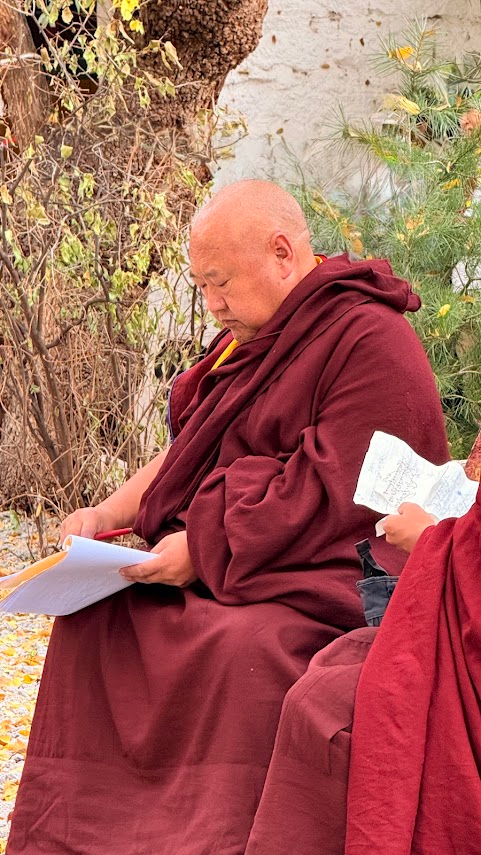
After watching the debates, I had more questions than before. About the monks’ education. About the different orders of Tibetan Buddhism. About religious authority and who confers it. Travel has a way of revealing how little I know just when I think I am beginning to understand something.
Beyond the monasteries, there was tea to taste and market browsing to do. Yak milk tea added another unfamiliar experience to the trip. A substantial yak-bone necklace, with turquoise and carnelian accents and an ingenious adjustable closure, came home with me. I have spent enough years seeking out unusual objects to know when something deserves a second look. This did.
But the necklace was the easy part to bring back.
Harder to pack were the questions raised by the temples, the morning prayers, and the devotion I had watched. I believe in God and Jesus. I also find myself increasingly uncomfortable with the certainty that one tradition has exhausted everything there is to know about faith.
Lhasa did not resolve that for me. It gave me more to consider.
I came away with photographs of an extraordinary palace, a necklace I will wear, and a certain satisfaction that I had managed all those steps.
I am still thinking about the people turning the prayer wheels.