
Turkey’s spirit is one of contrasts — the living mysticism of Konya and the haunting silent ruins of Sagalassos. One hypnotizes with the spinning, haunting prayer and poetry of Sufism; the other stands in solid, still testimony to the genius of Greek and Roman empires. Click on images below to enlarge.
Sagalassos – City Above the Clouds
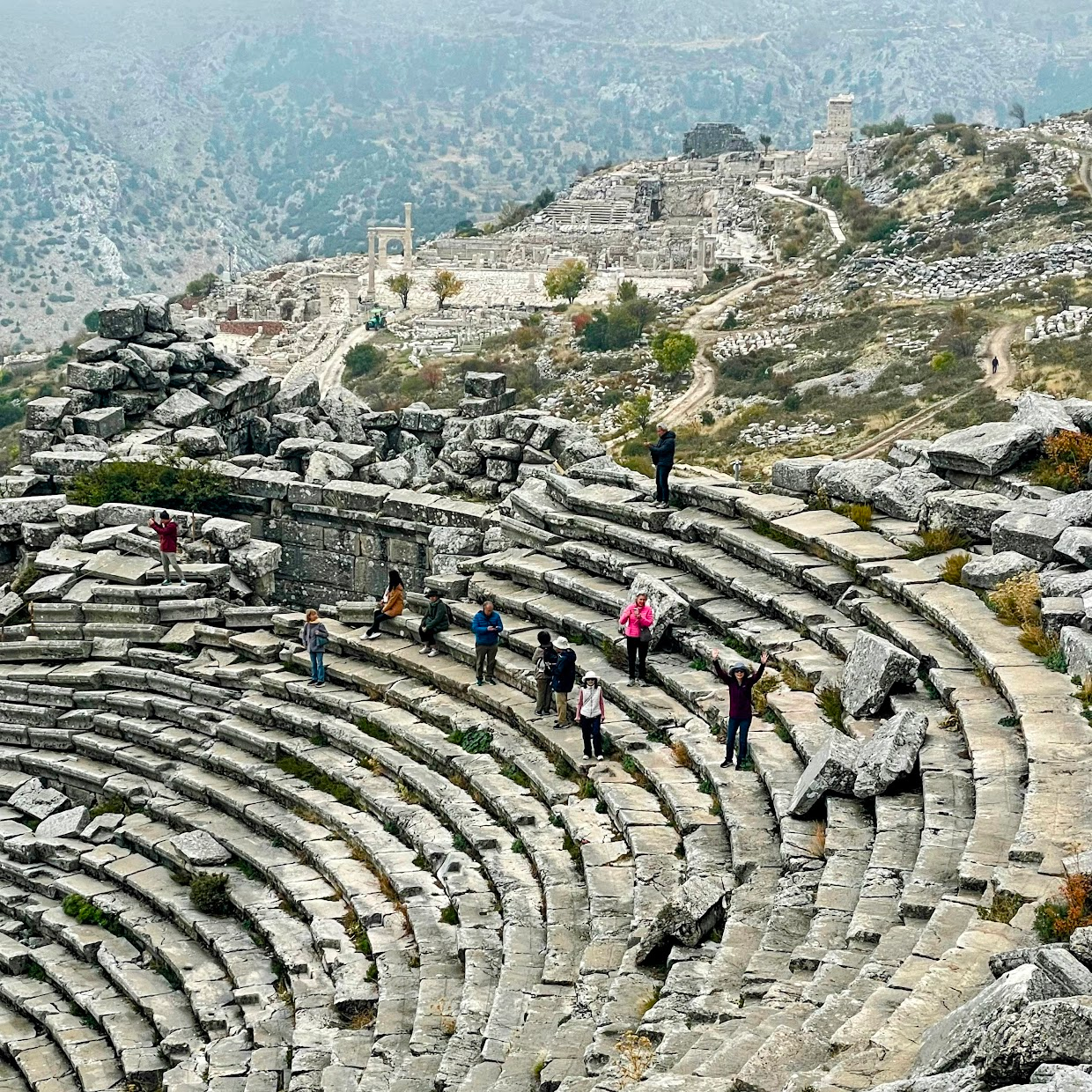
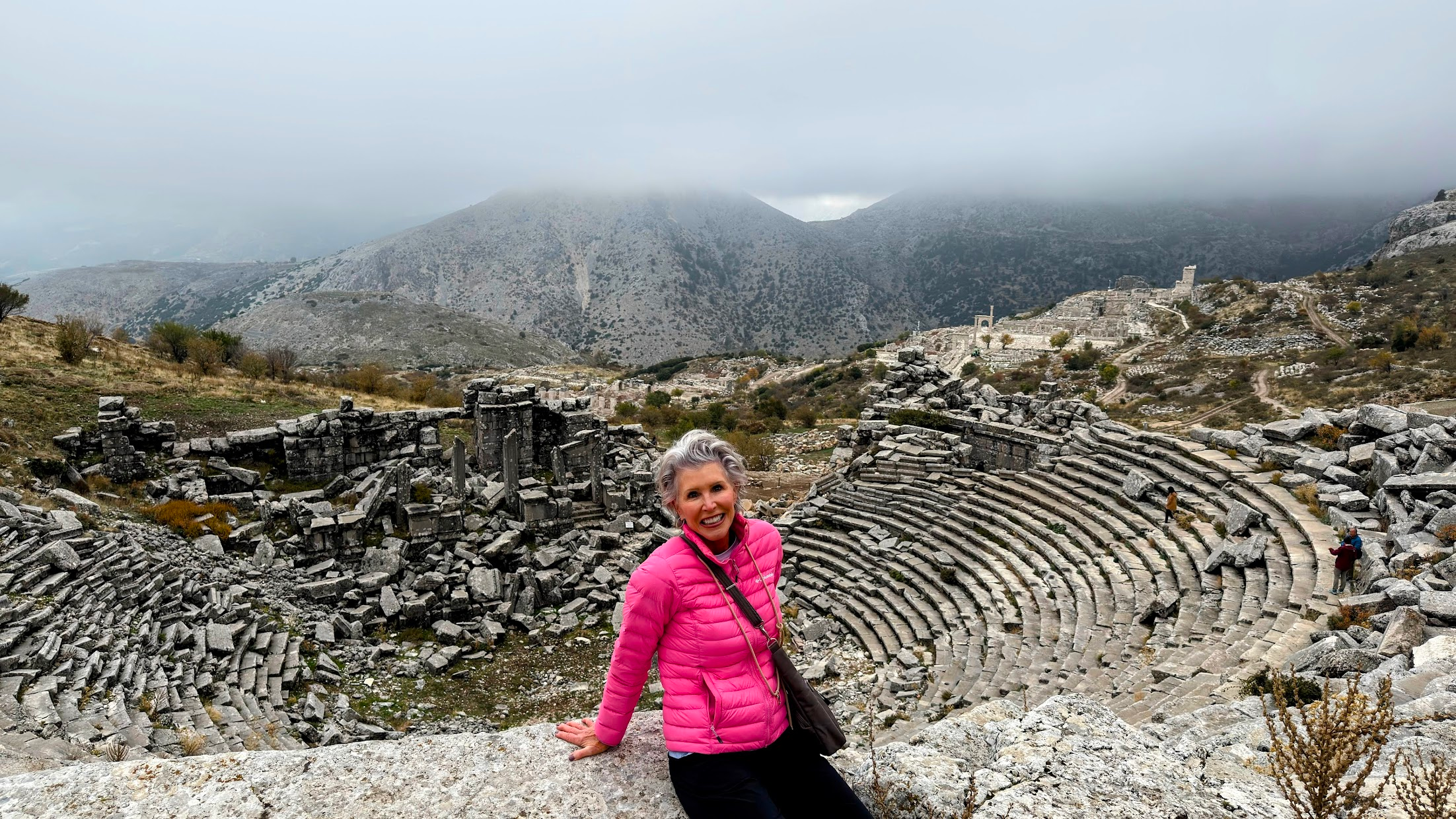
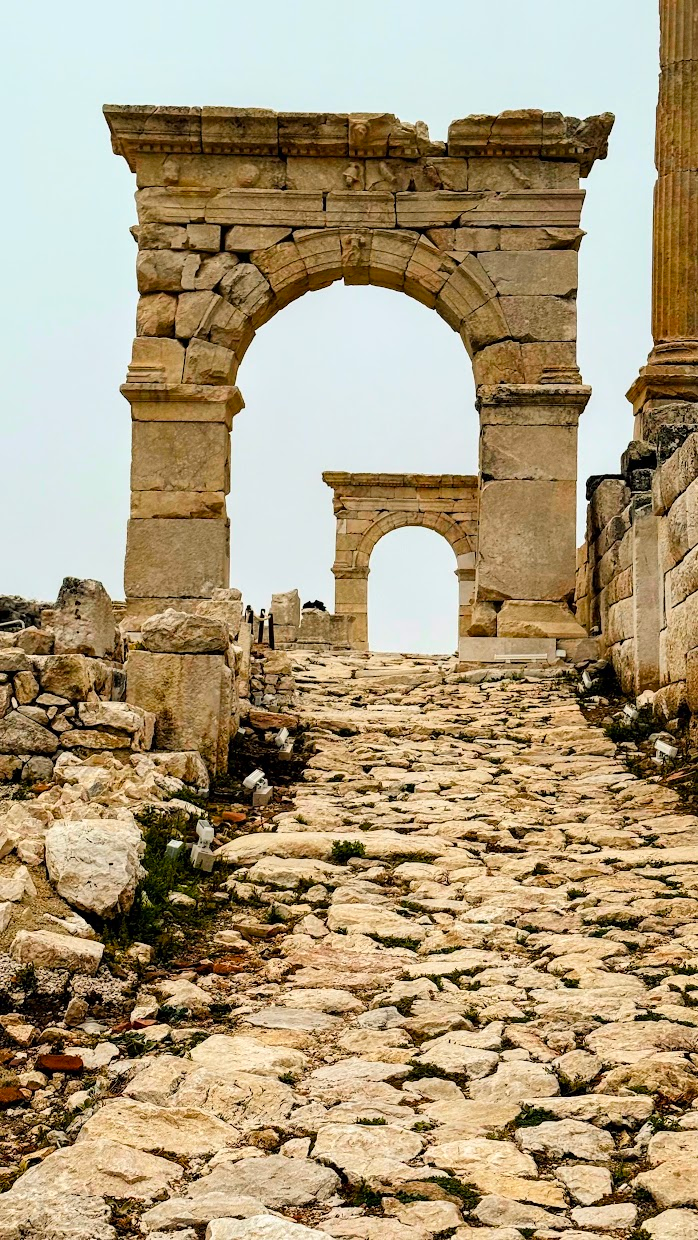
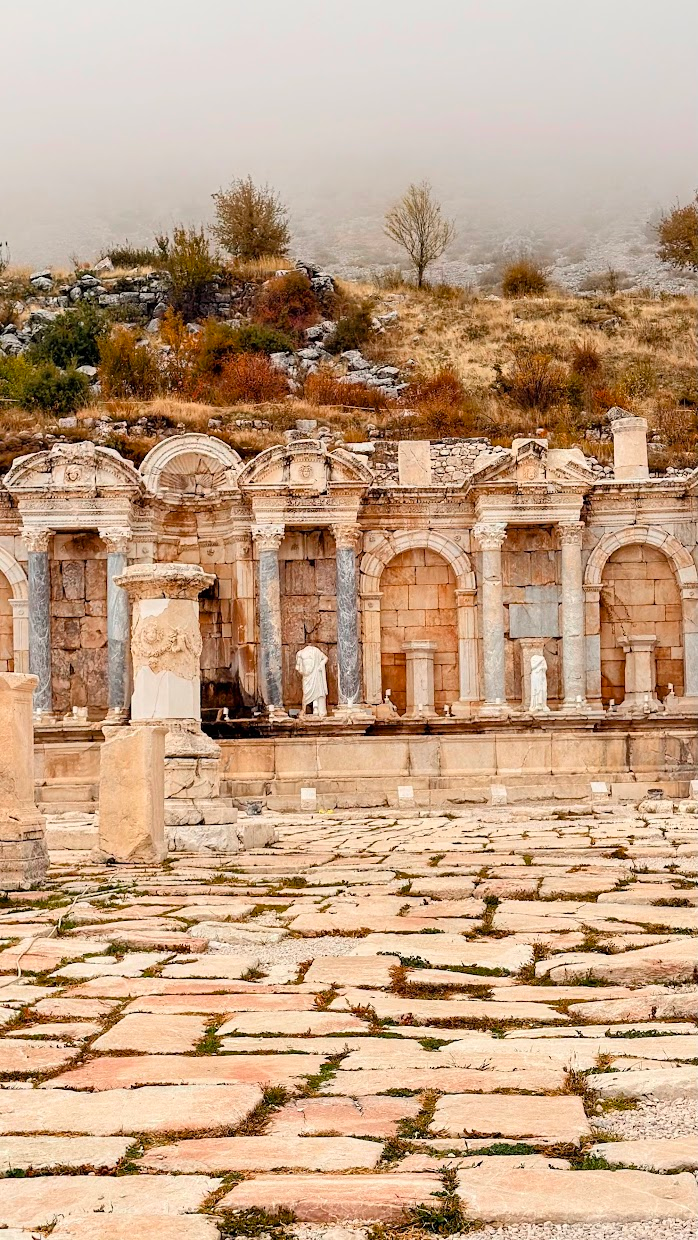
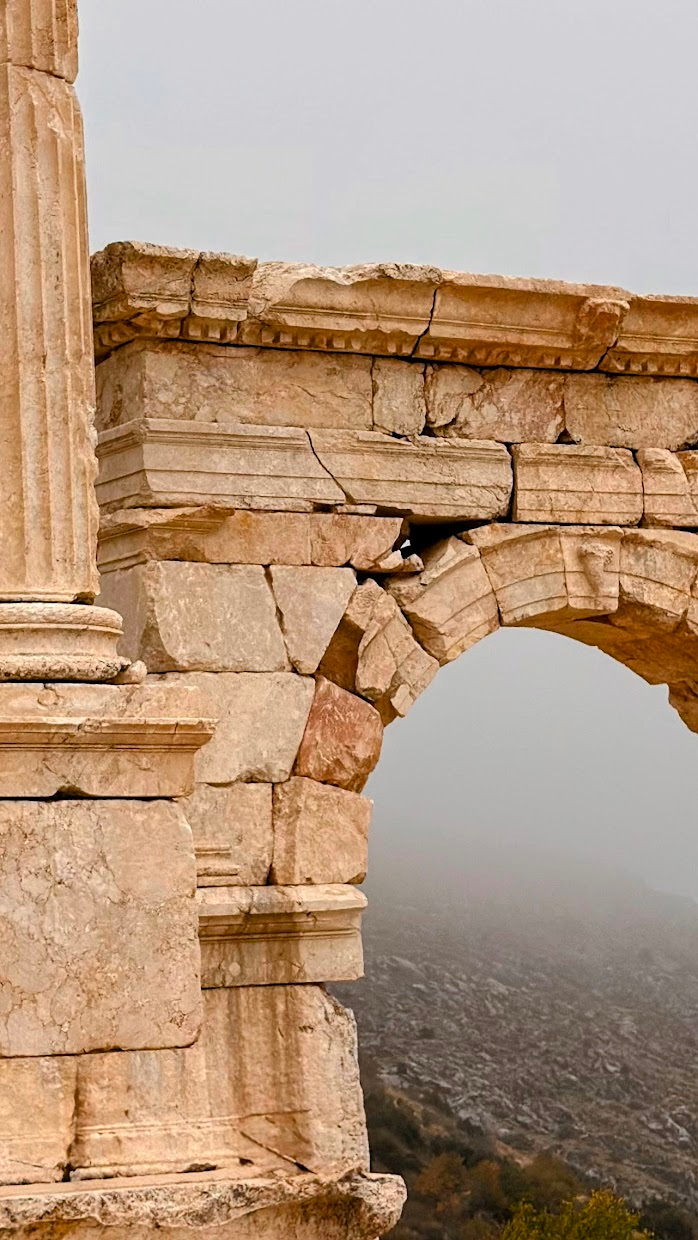
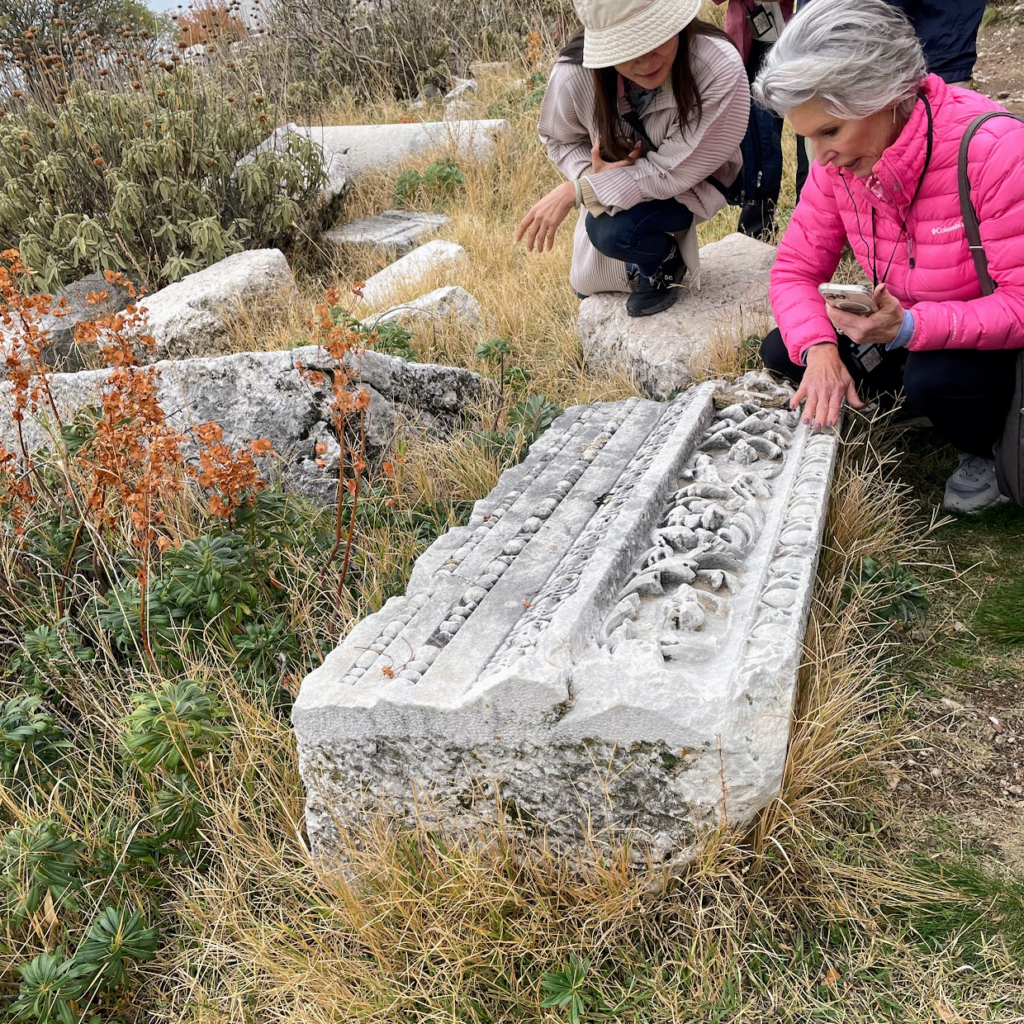
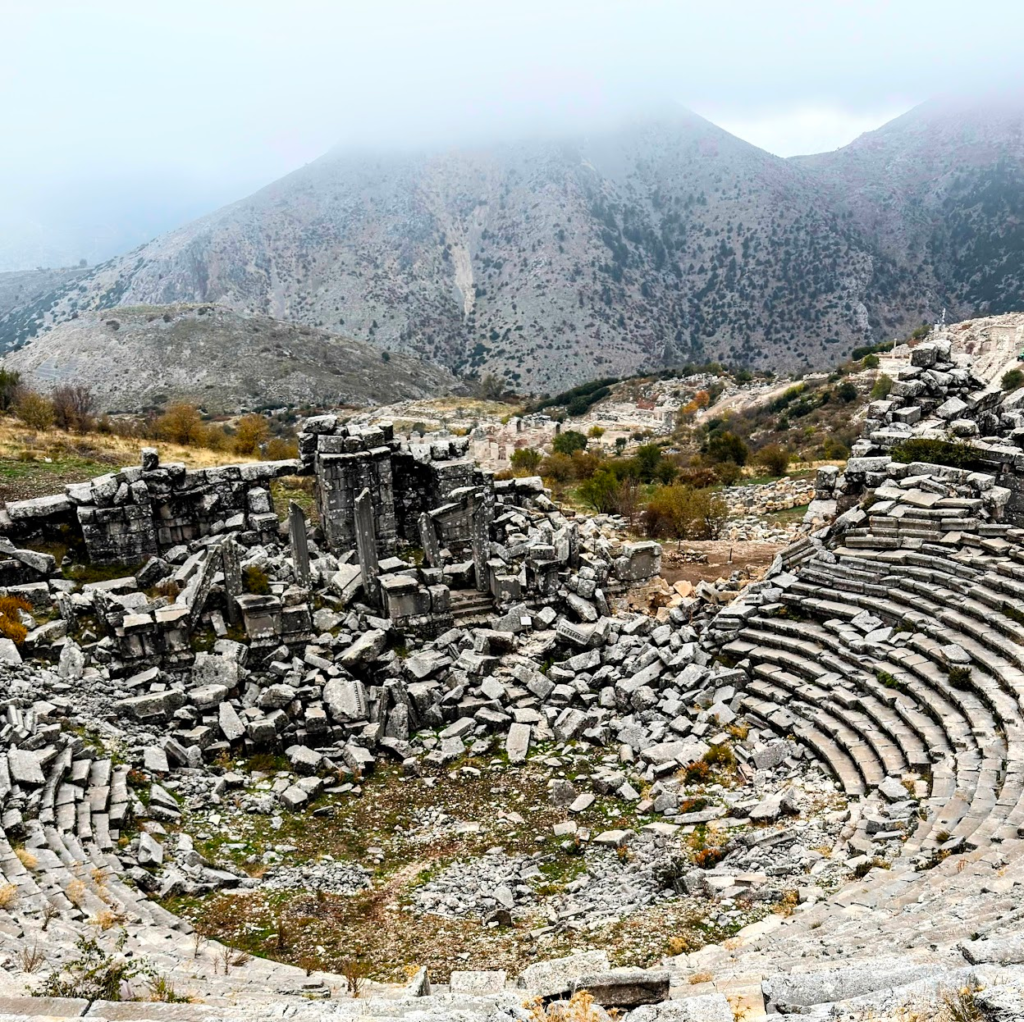
From Konya’s plains, the road climbs into the Taurus Mountains, where the ruins of Sagalassos lie almost untouched. Once a proud Pisidian city, it thrived under Alexander the Great and later the Roman Empire. Its fountains still flow with mountain water, its amphitheater gazes over mist-filled valleys.
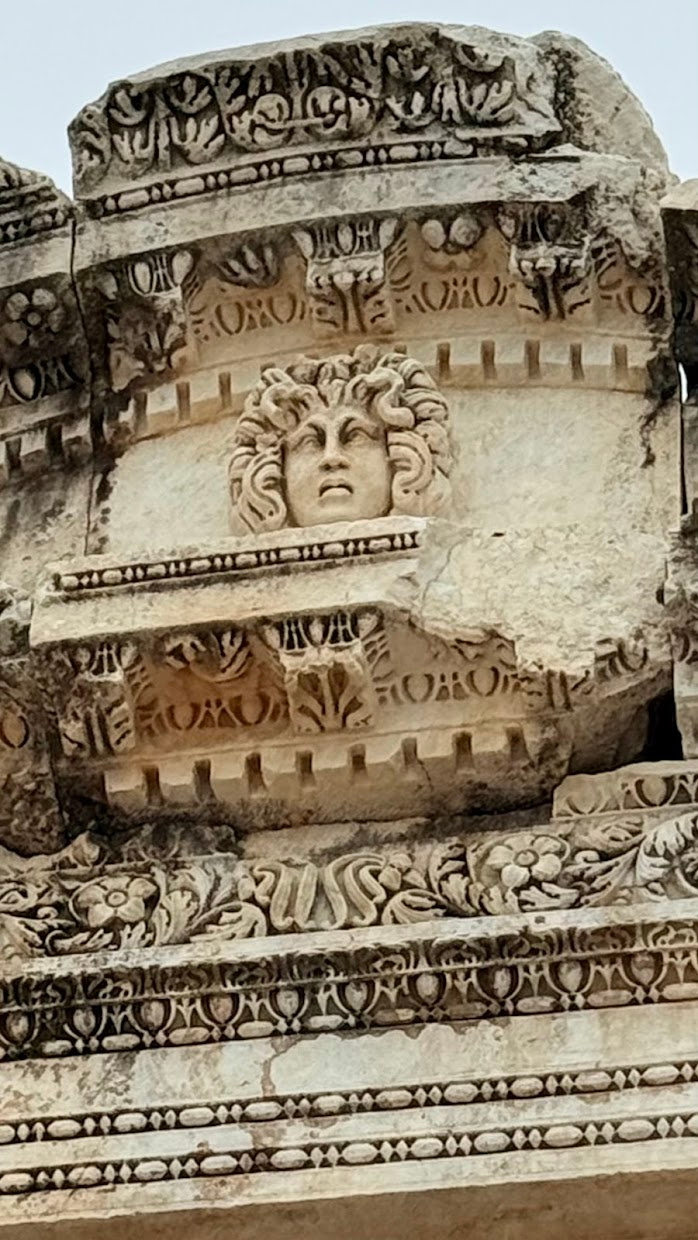
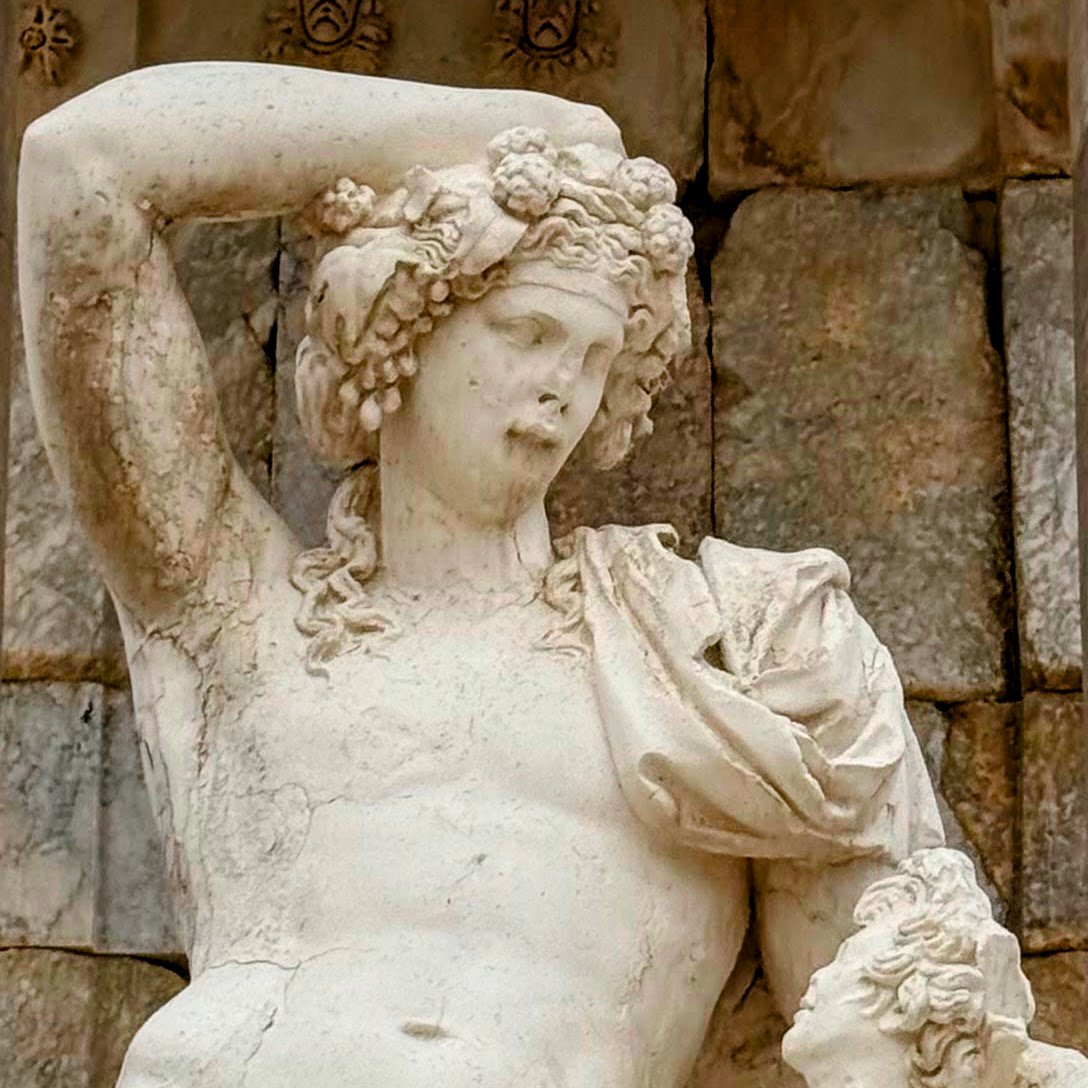
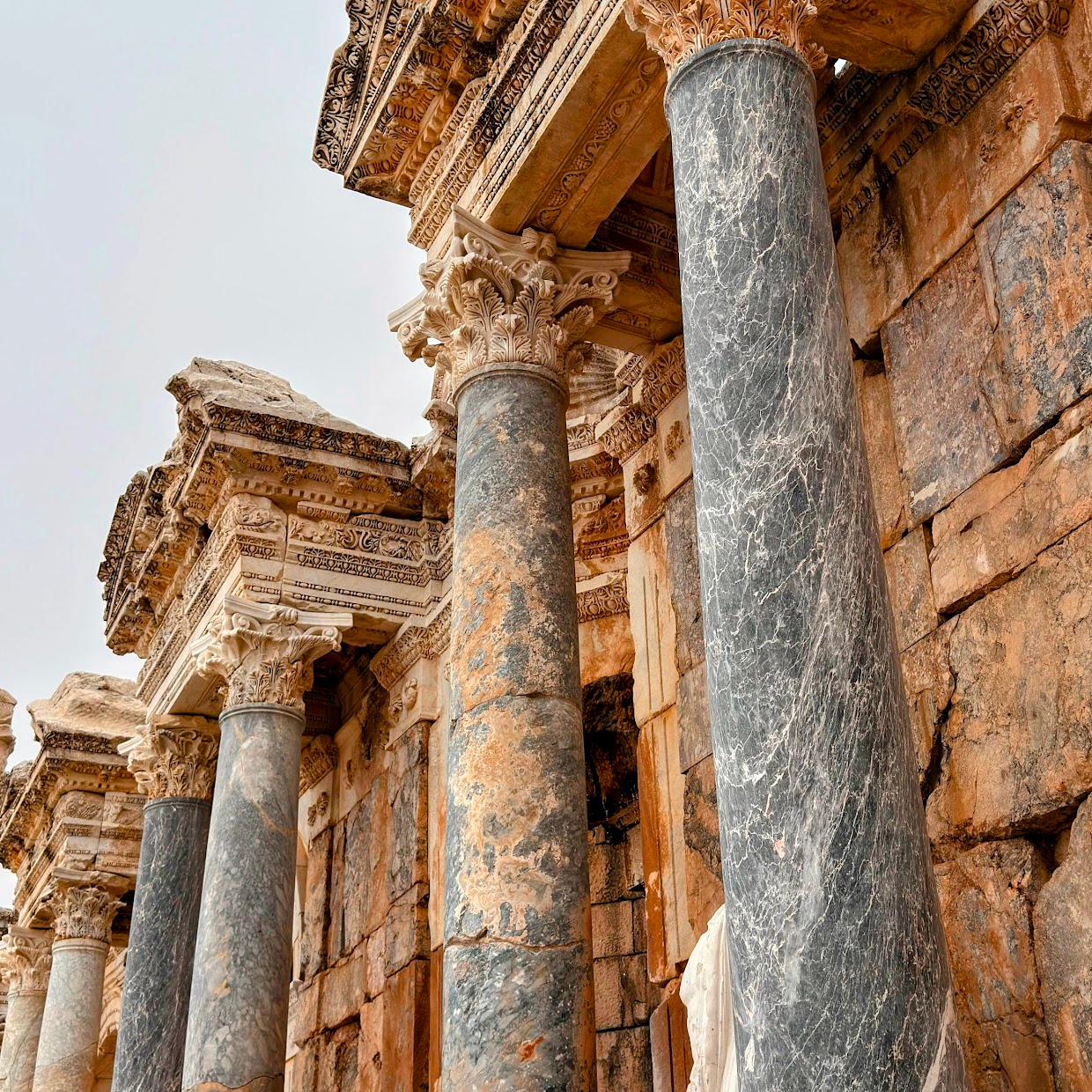
Founded by the indigenous Pisidians, Sagalassos became a melting pot of Anatolian, Greek, and Roman cultures — a reflection of the layered ethnic mosaic that shaped Turkey. Abandoned after earthquakes and invasions, it slept for centuries until modern archaeologists uncovered its grand colonnades and statues of emperors. I visited on a chilly October morning when fog from the valley added mystery to its majesty. No lines of tourists, no one hawking souvenirs. I climbed the steps of the 9,000 seat amphitheatre, picturing these now silent stones faced with polished white marble, echoing the actor’s voices from center stage.
Konya – The Heart of Rumi
In the 13th century, Konya was the capital of the Seljuk Empire, a meeting point of Persian, Arab, Greek, and Turkic cultures. It was here that Mevlana Jalaluddin Rumi, born in Balkh (modern Afghanistan), found his spiritual voice.
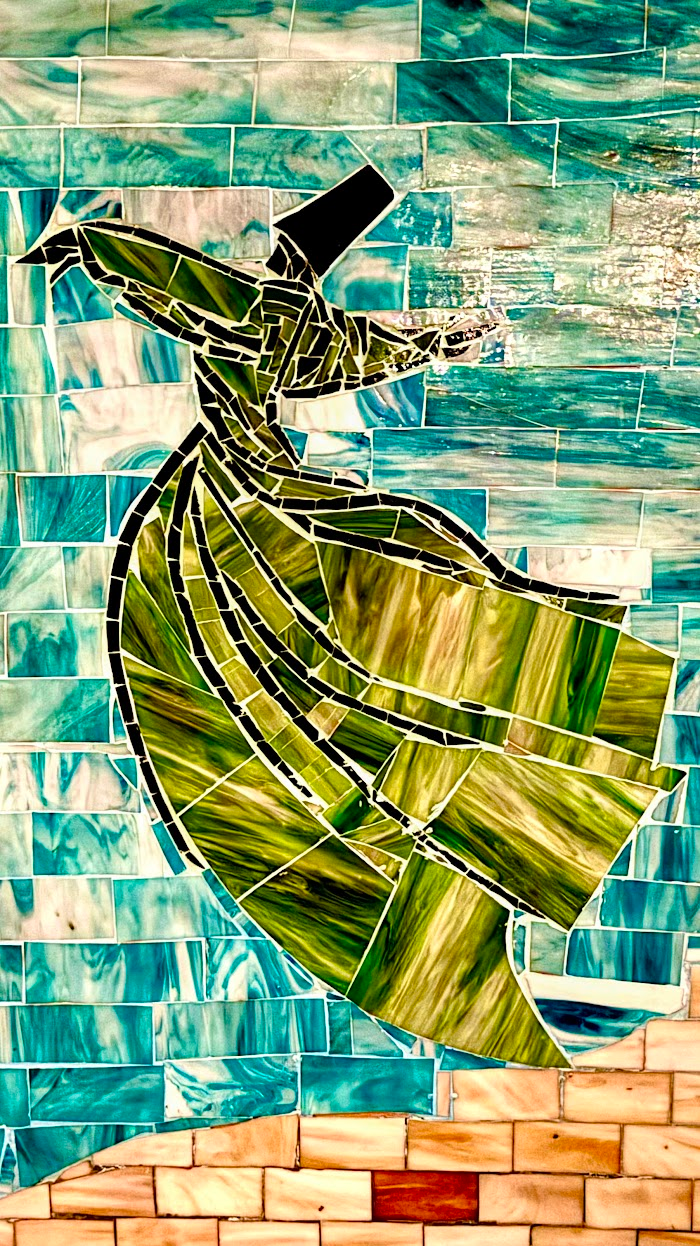
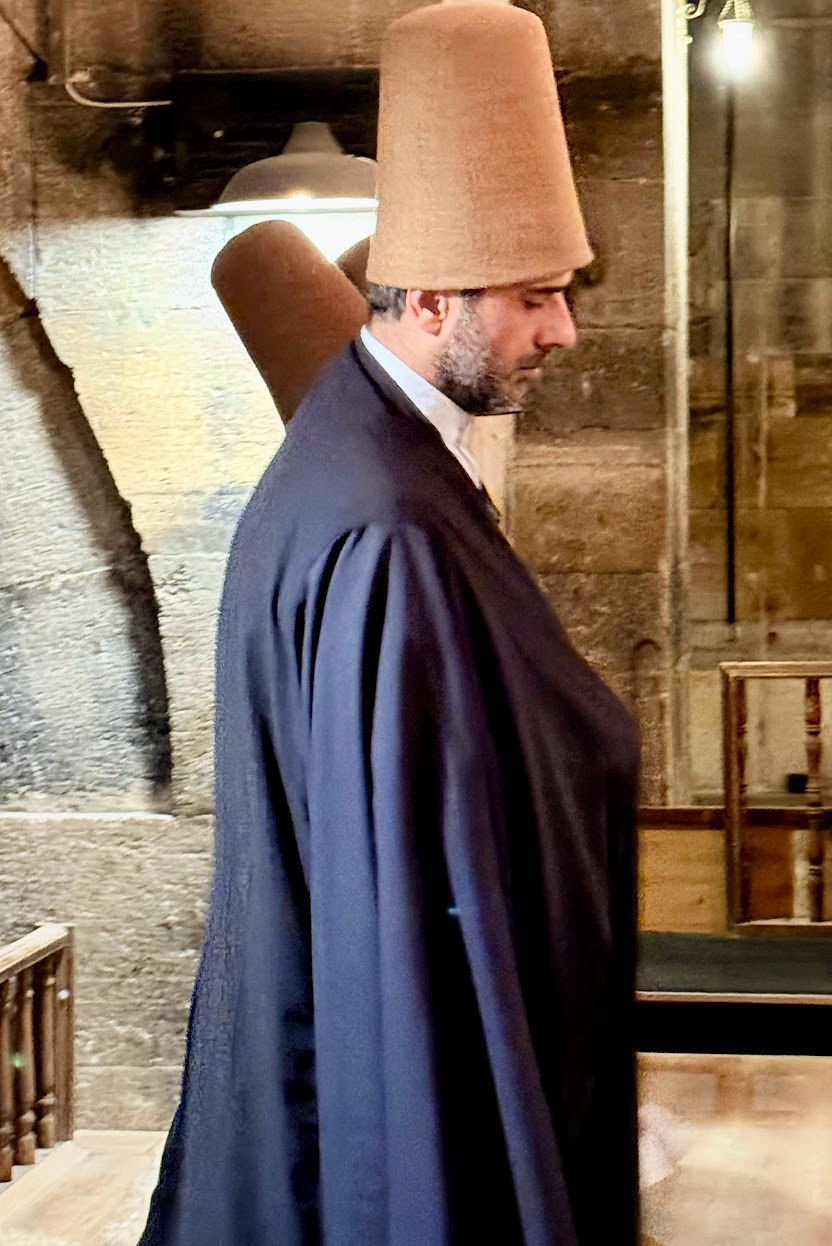
His encounter with the wandering mystic Shams of Tabriz transformed him from scholar to poet-saint, inspiring the Mevlevi Order of Whirling Dervishes.
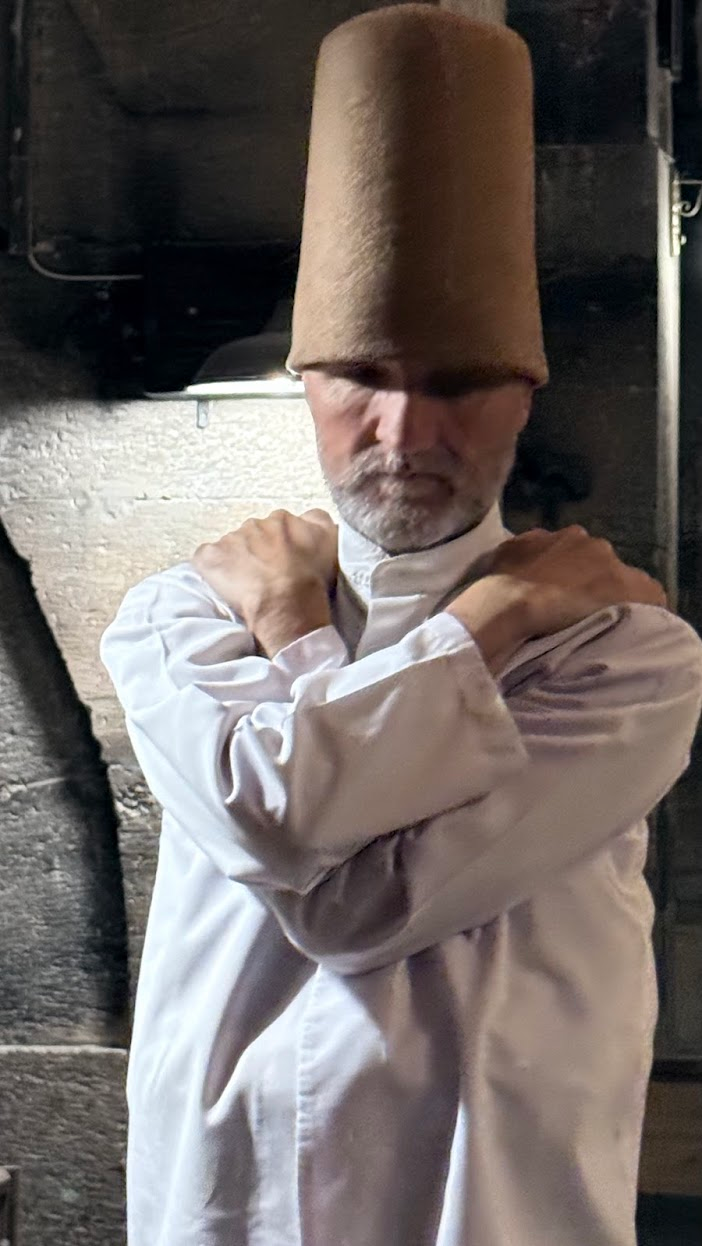
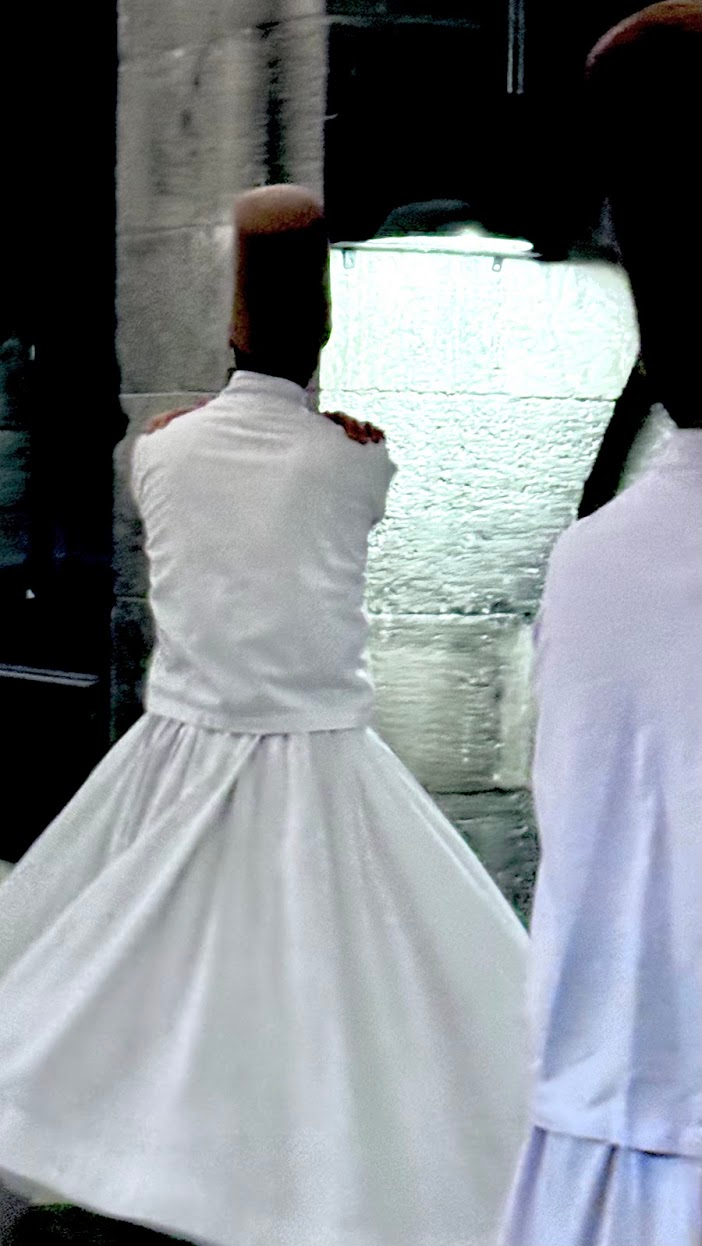
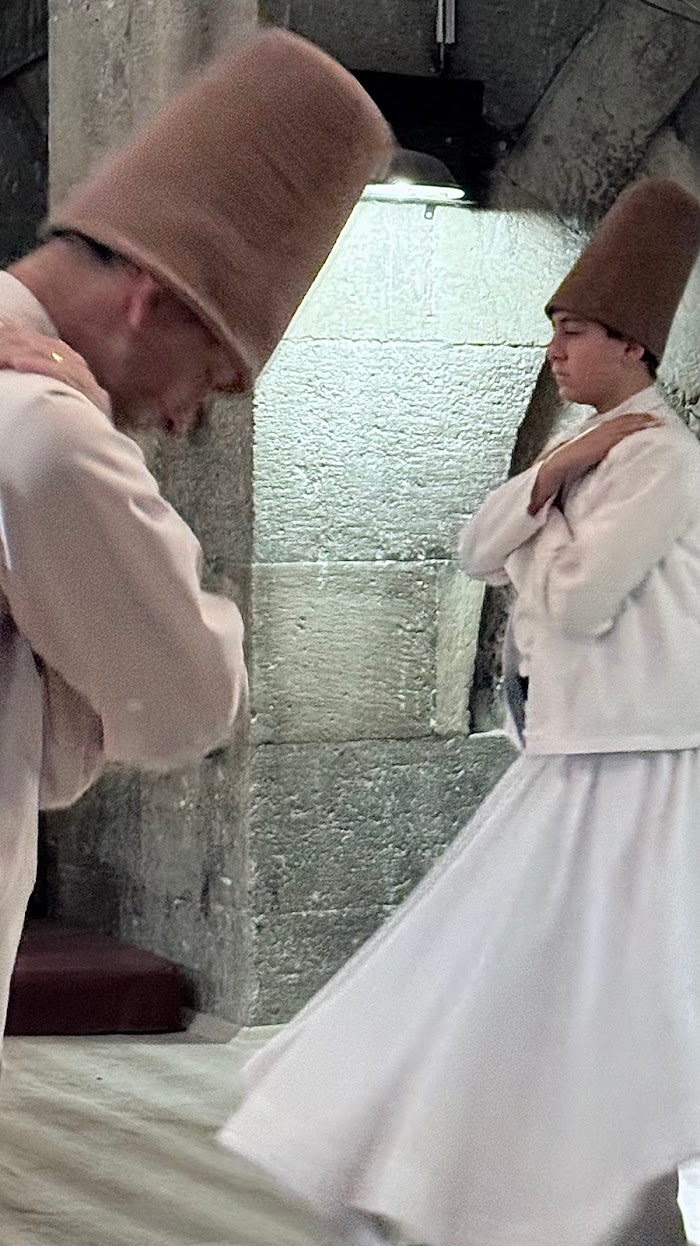
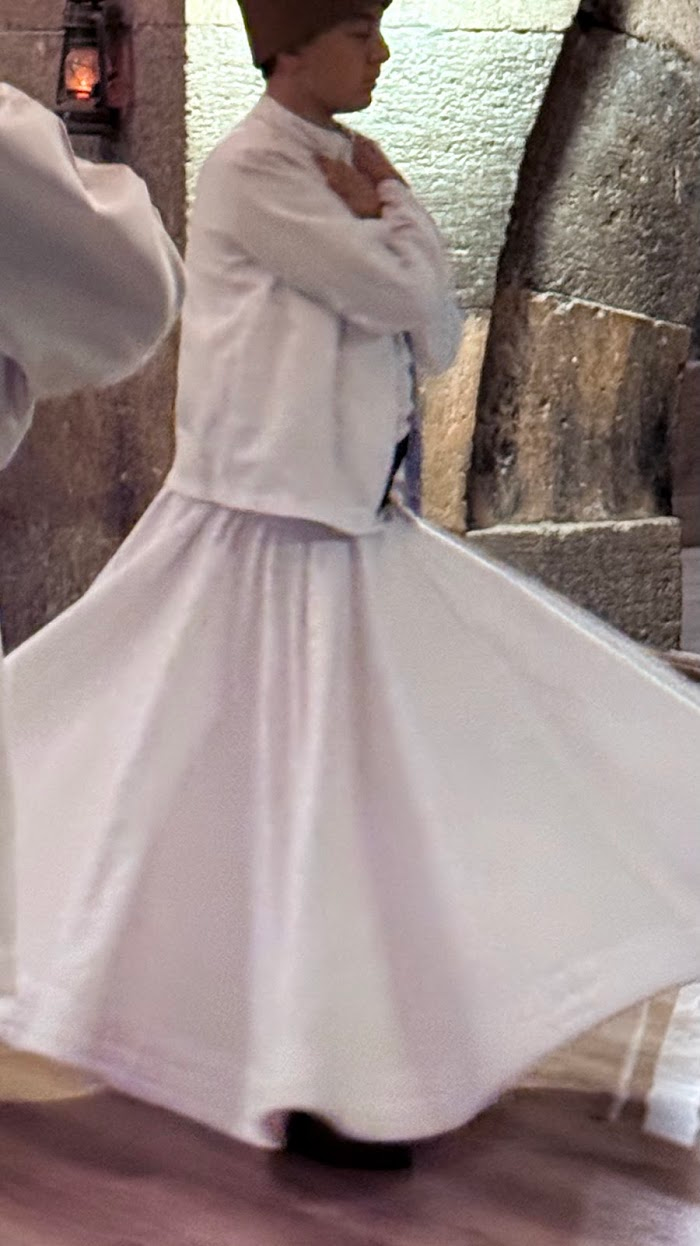
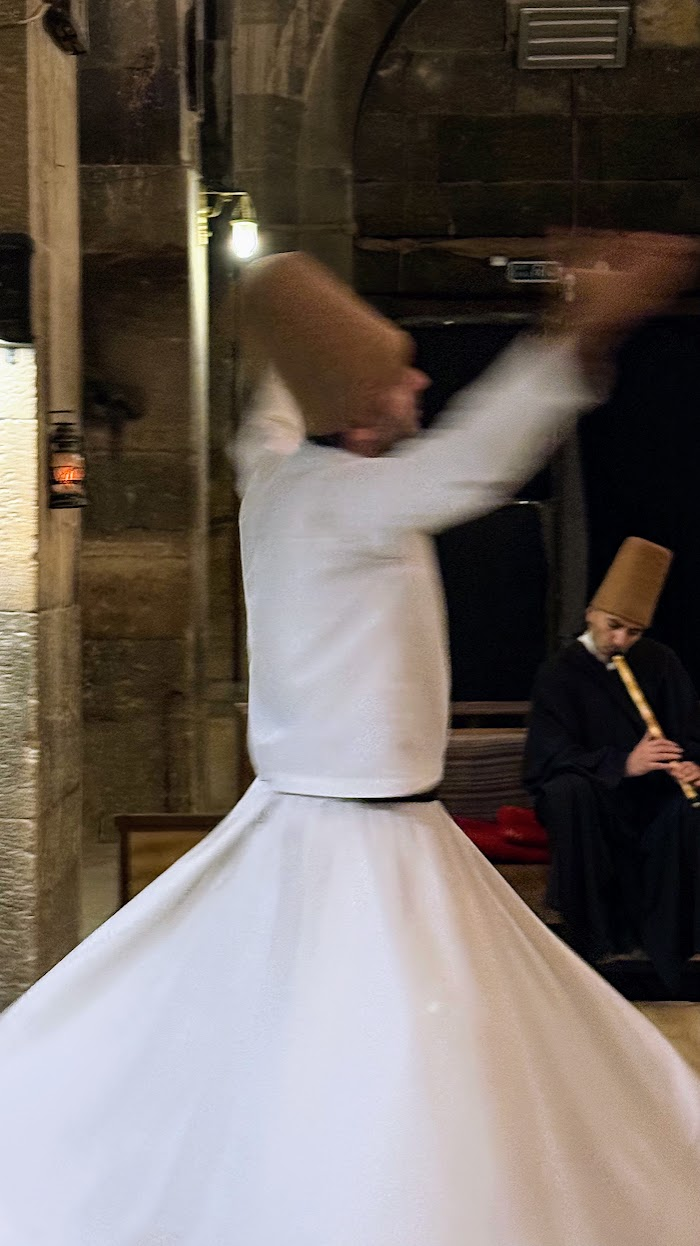
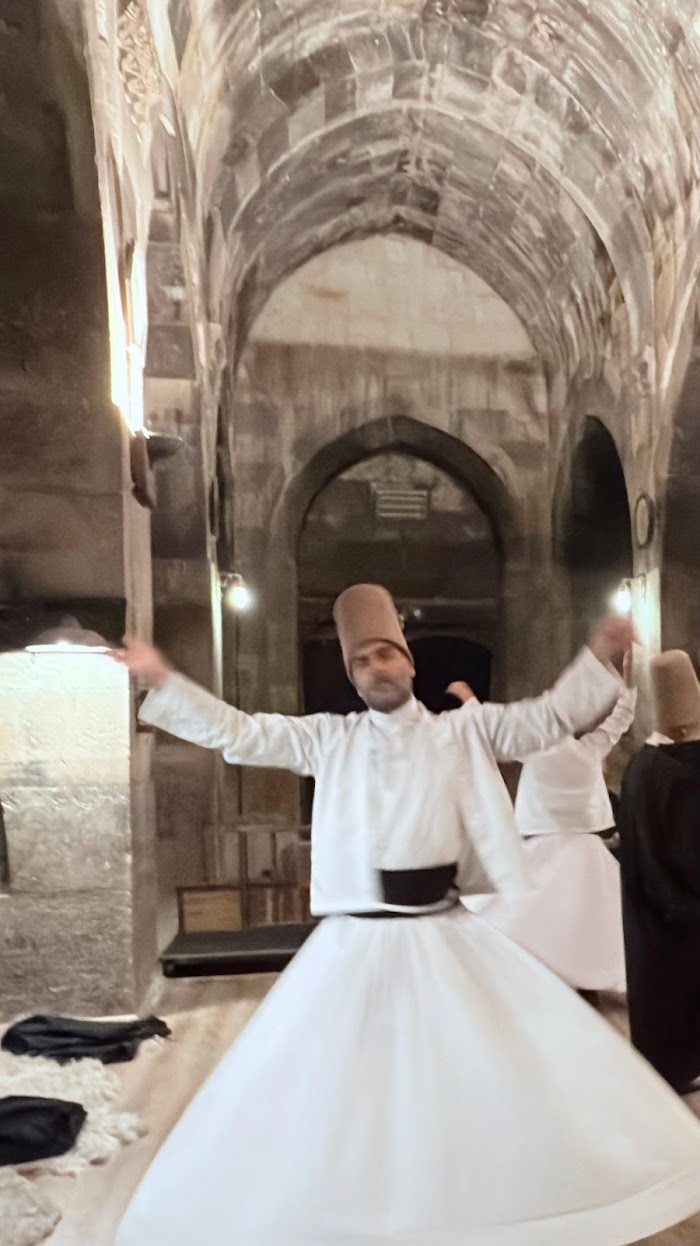
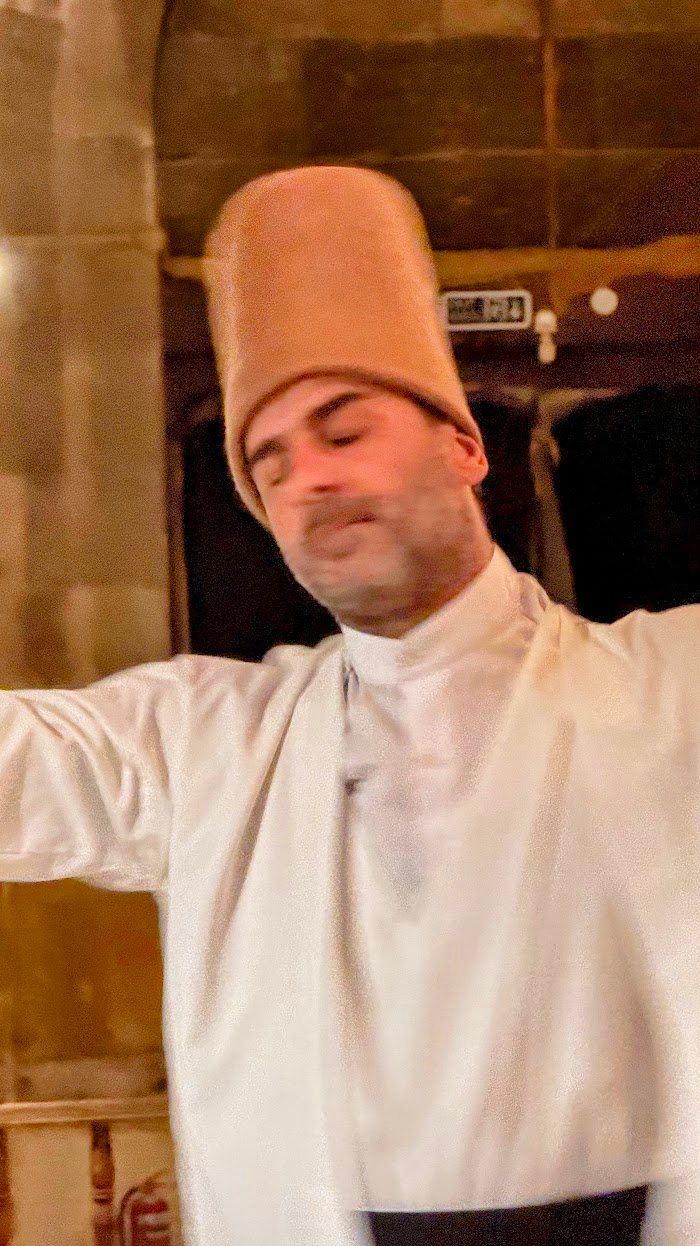
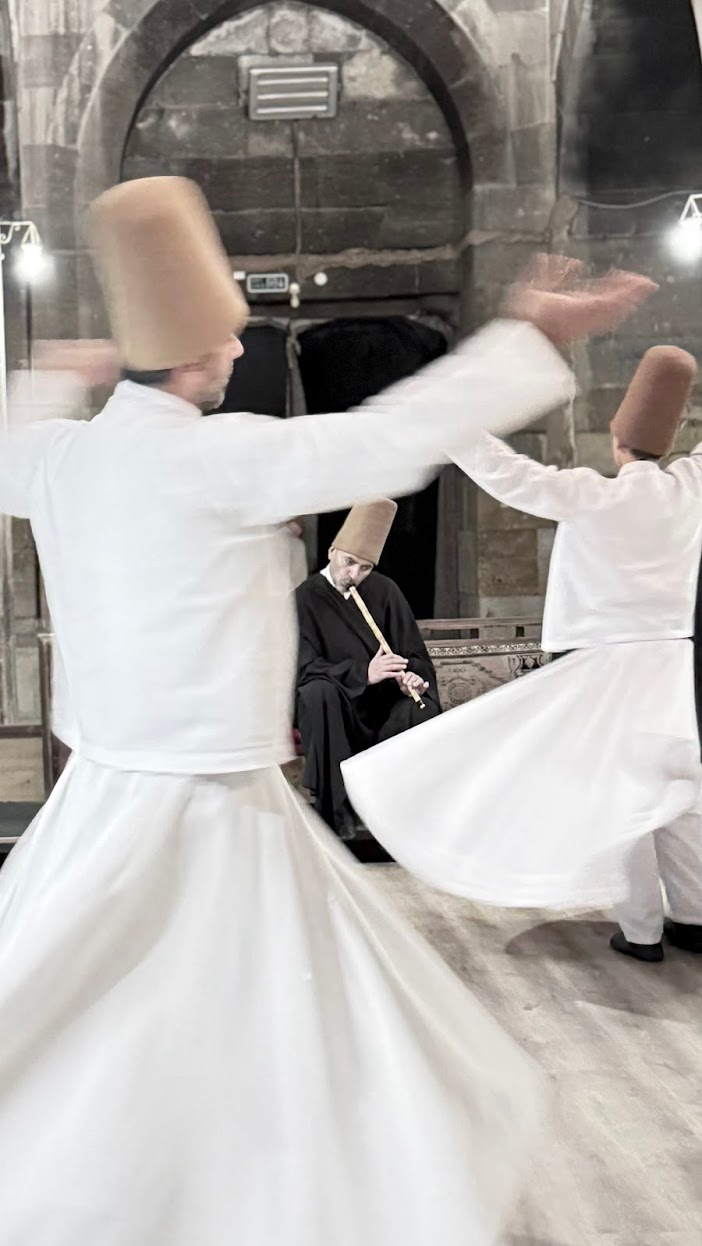
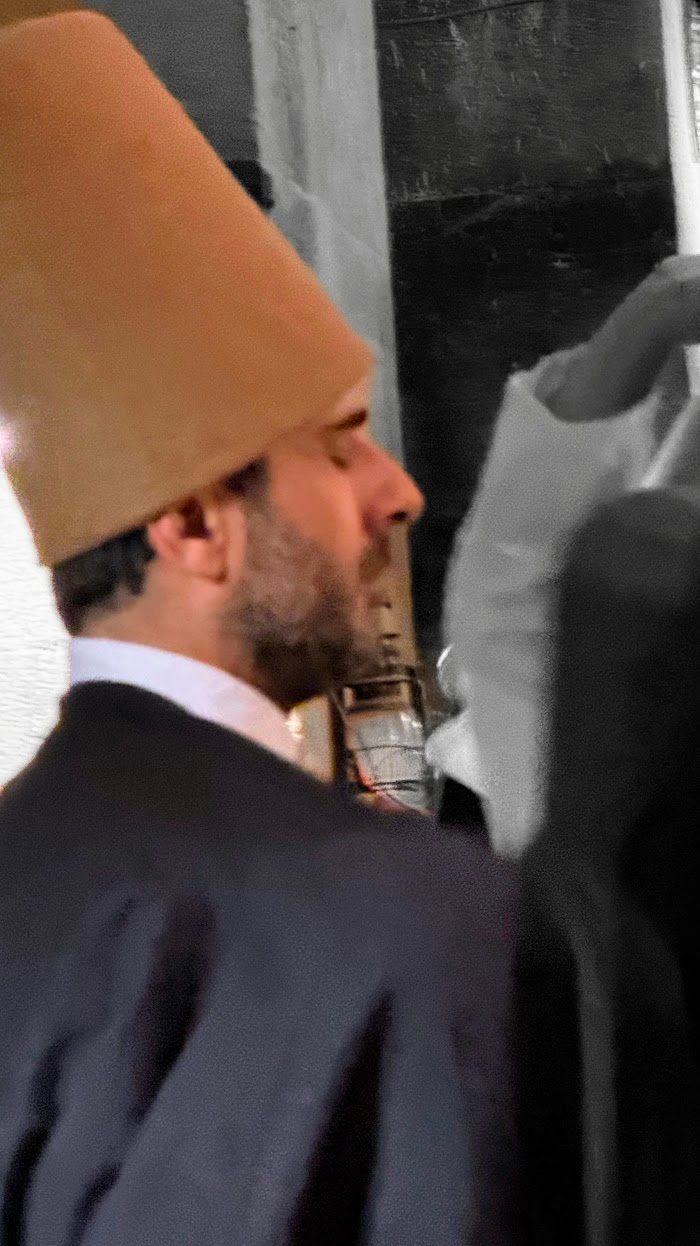
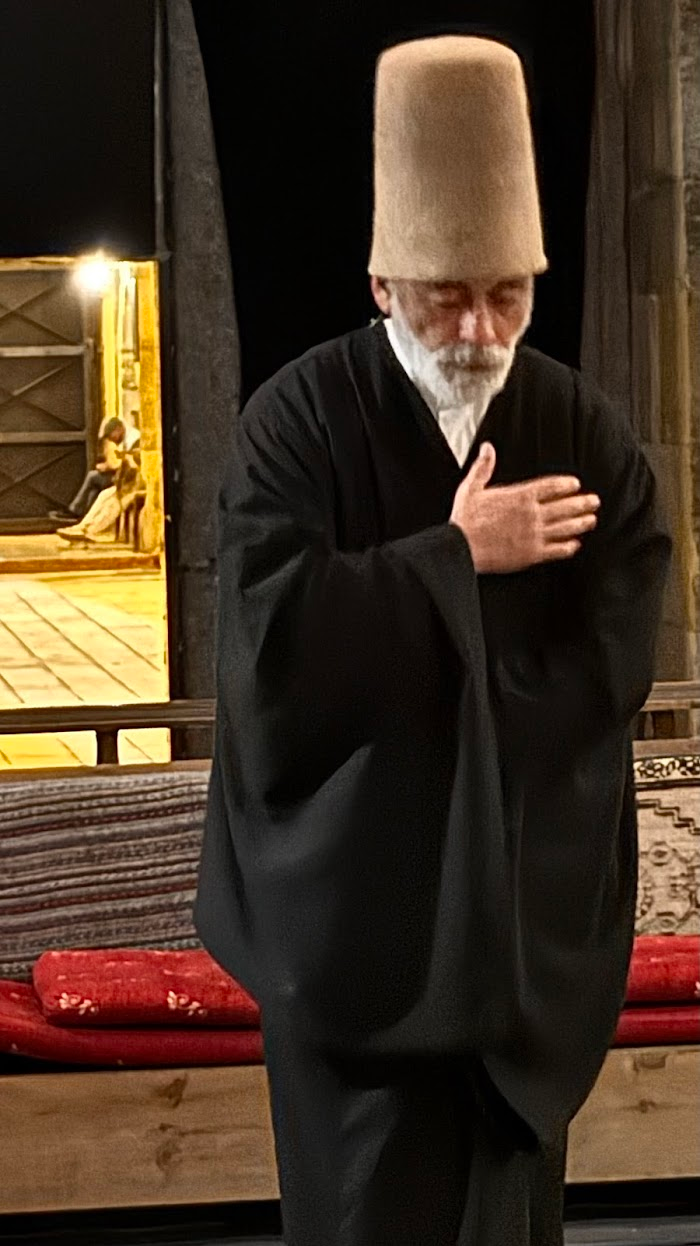
I had the great privilege to attend one of the prayer services, as they indeed are. Photos were not allowed during the service but the Sufi dervishes allowed a brief time for photography during their final prayer. I have shared both still and video captures below. Click on images below to enlarge.
Between Spirit and Stone
Mevlana’s Konya and Sagalassos’ ruins embody two sides of Anatolia’s soul — faith and endurance, motion and stillness. One celebrates the turning of the heart toward God; the other stands as a testament to civilizations that rose and fell yet never disappeared.
Together, they tell a single story of a land where Persian mystics, Hellenistic builders, and Turkish sultans all left their mark. In the whirling of the dervishes and the silence of the stones, Turkey’s timeless rhythm endures. Click on images below to enlarge.
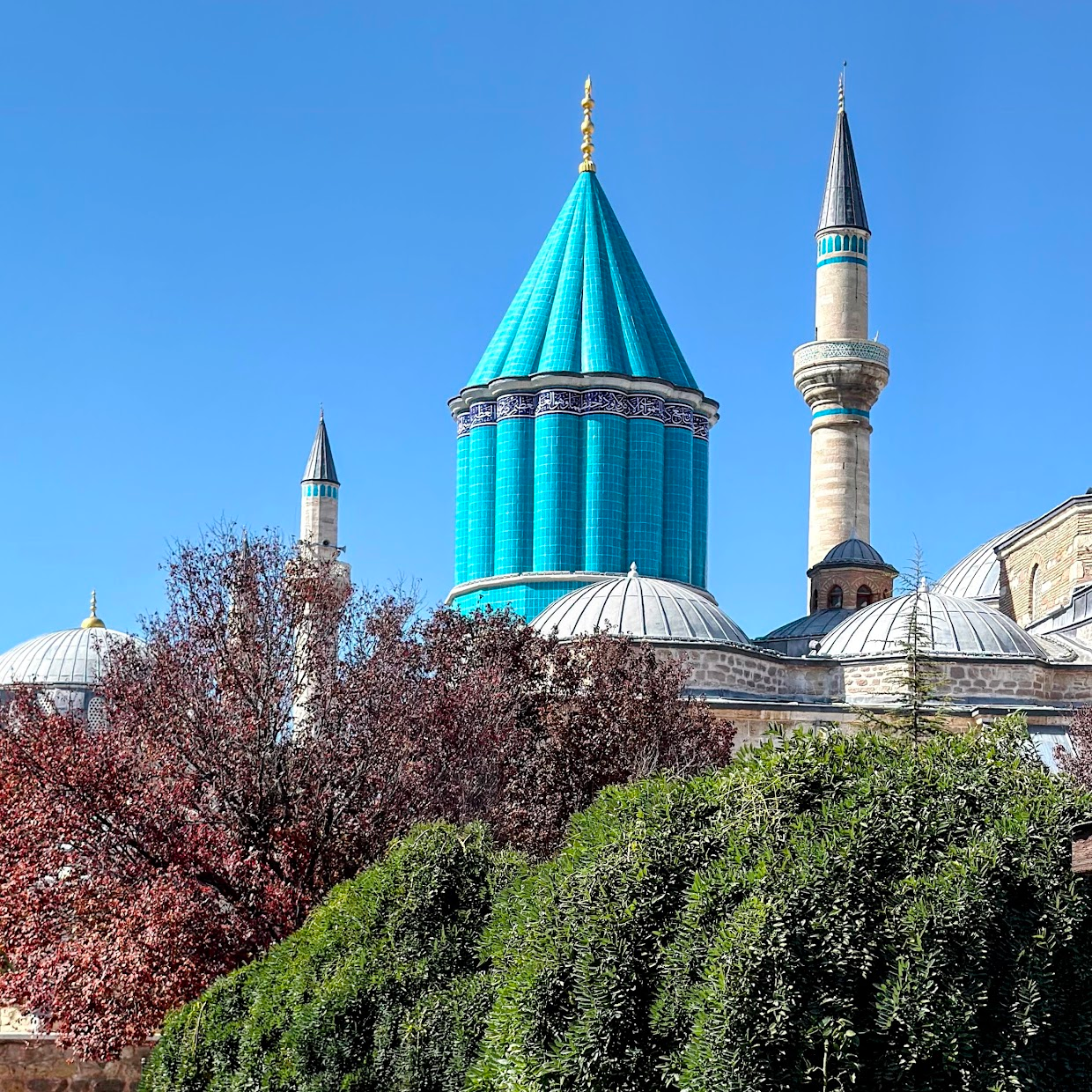
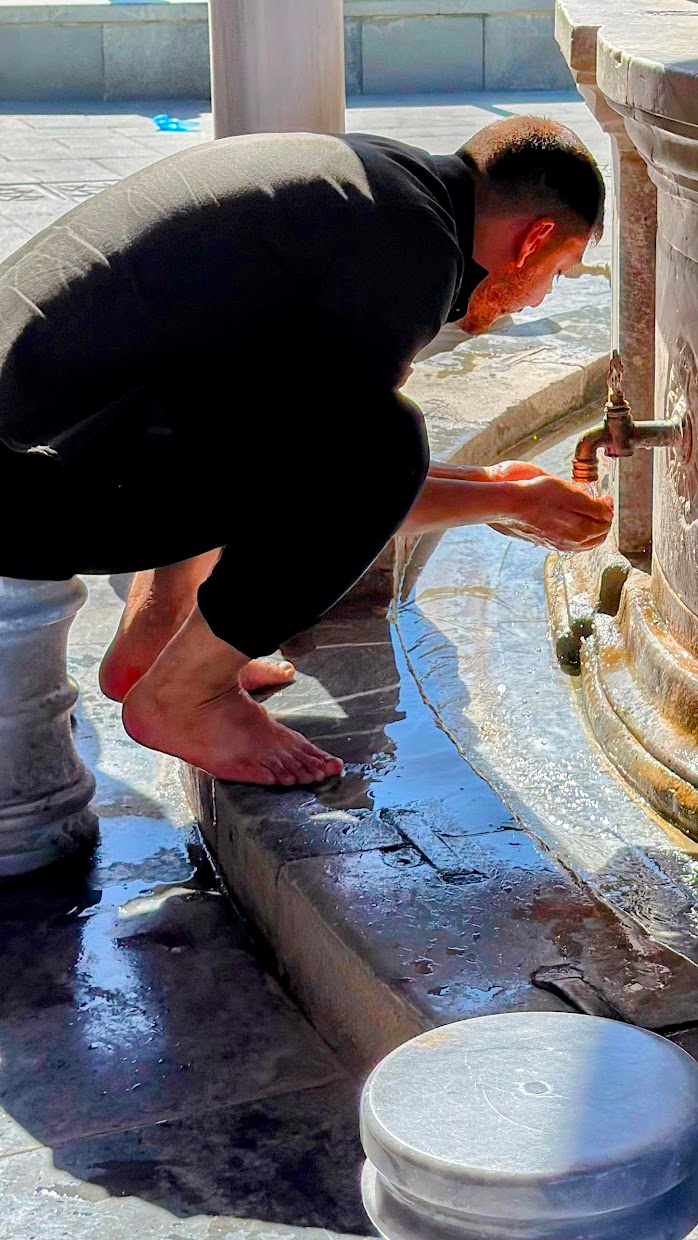
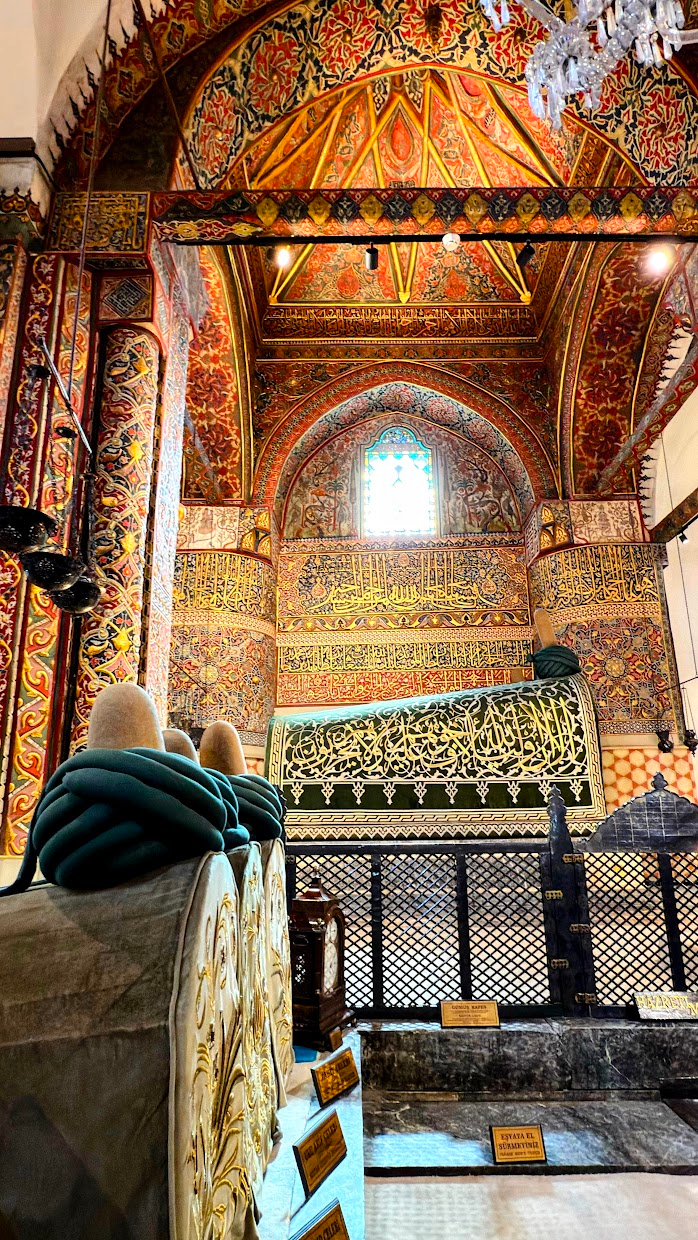
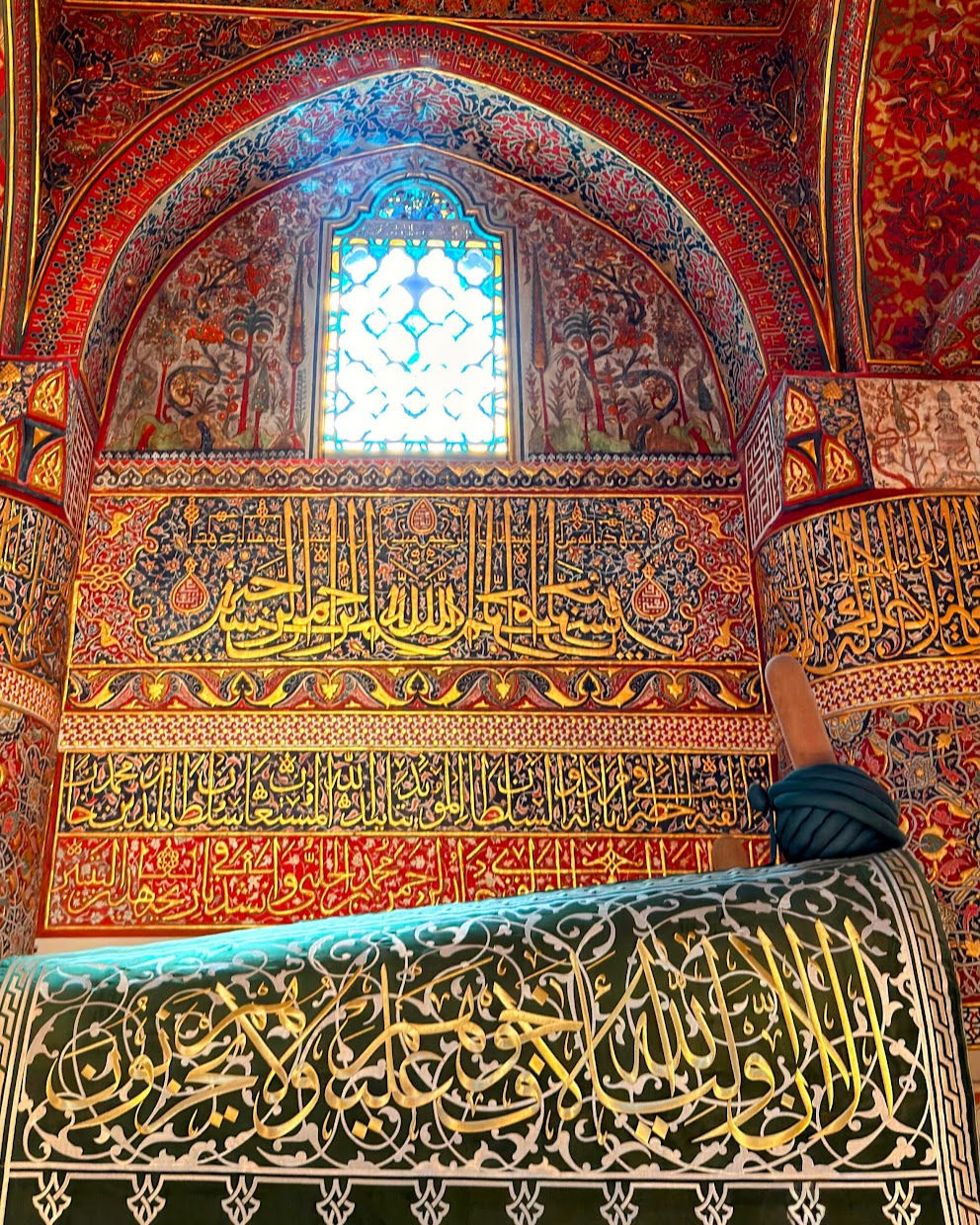
In the turquoise-domed mausoleum that bears his name, pilgrims still gather to hear the ney flute and watch dervishes spin — one hand raised to the heavens, the other to earth — symbolizing the unity of spirit and creation.
Rumi’s words remain a bridge across faiths and centuries:
“Come, come, whoever you are.”