When you snorkel or dive the Outer Great Barrier Reef off Cairns, you’re not just floating above coral—you’re hovering over one of Earth’s oldest, largest, and most complex living systems. Far from the shore and closer to the Coral Sea’s deep blue, the outer reef is wilder, clearer, and more ancient.
Here are the most interesting facts that make the Outer Great Barrier Reef so extraordinary.
1. It’s Bigger Than Most Countries
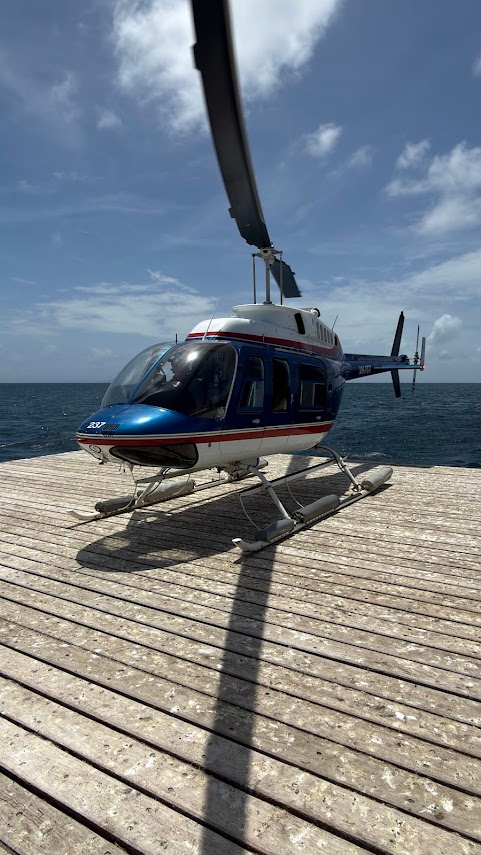
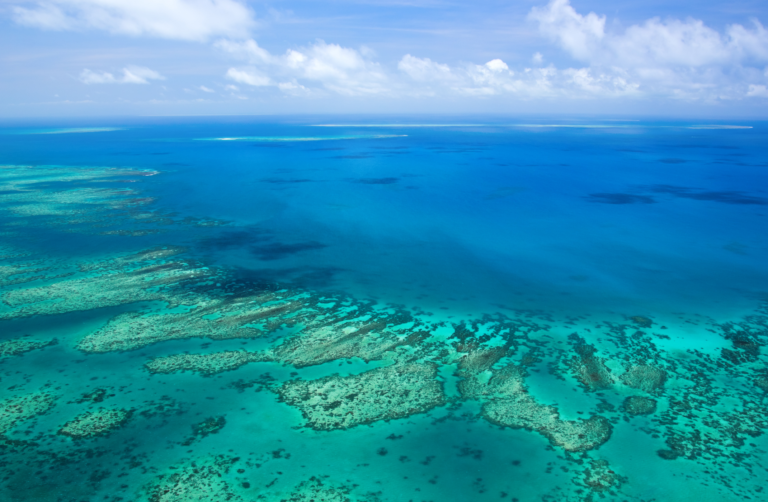
The Great Barrier Reef stretches over 1,400 miles and is visible from space. The outer reef alone is made up of hundreds of reefs sitting along the continental shelf’s edge—where shallow coral gardens suddenly drop into deep ocean. It’s larger than Italy, Japan, or the UK. From a helicopter charter, my views were expansive!
2. Outer Reef = Clearer Water, Healthier Coral
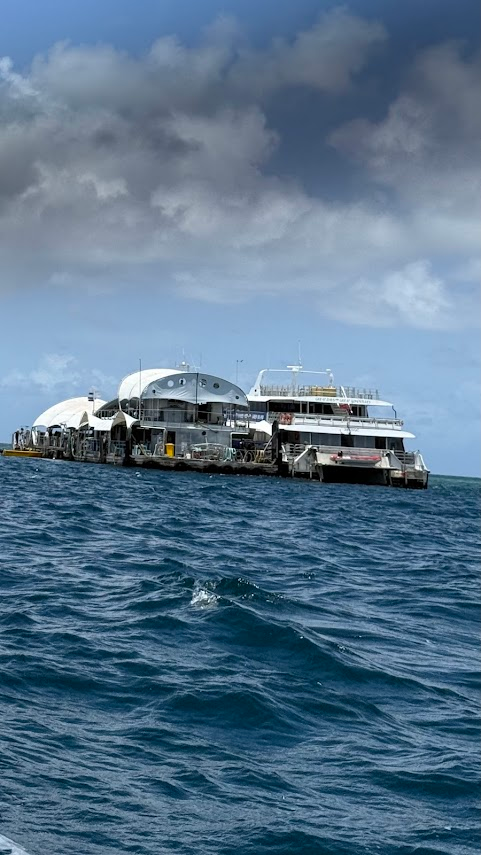
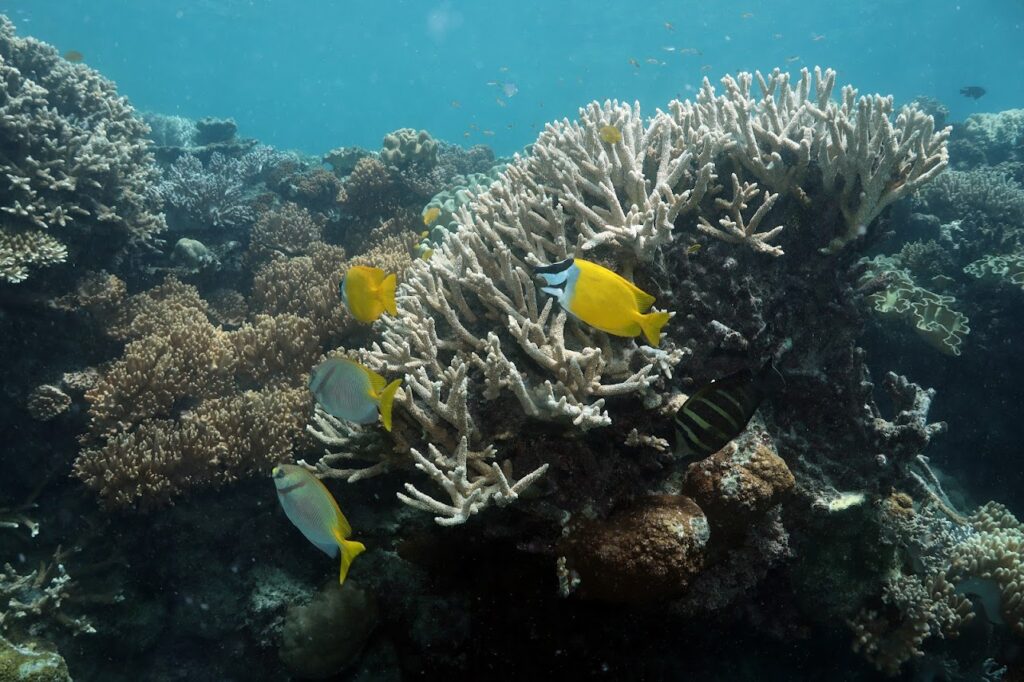
We bypassed Green Island (most common drop off) heading an extra two hours out to The Outer Barrier Reef, less affected by river runoff, sediment, and coastal development. That means clearer water, stronger currents, and healthier coral formations than many inner reef sites.
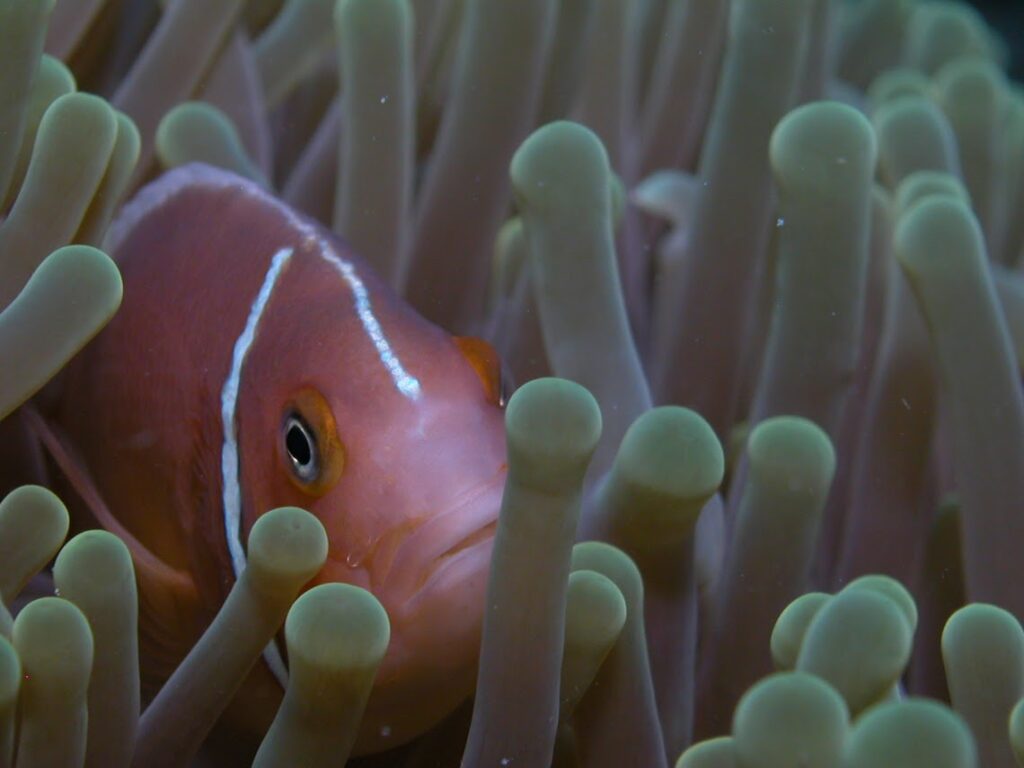
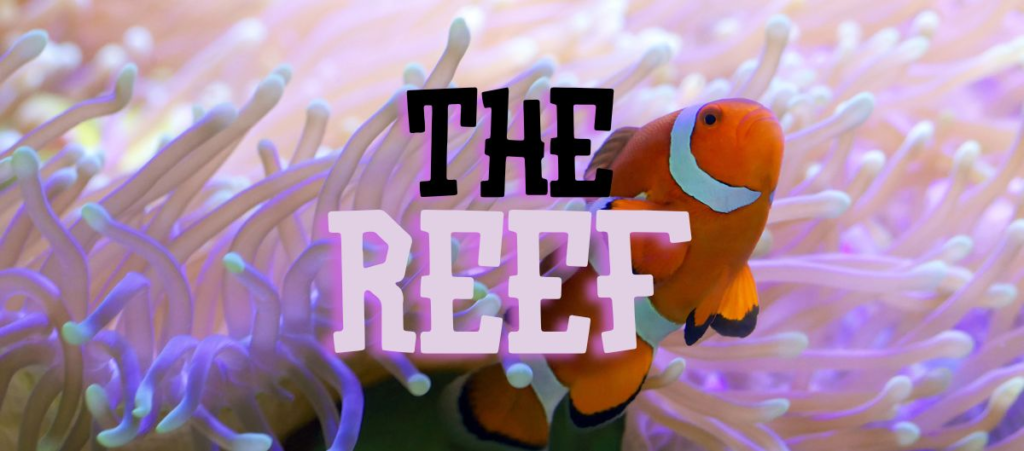
Translation for visitors: better visibility, brighter colors, and more “Finding Nemo” moments. Literally.
3. Coral Is Alive—And It Grows Slowly
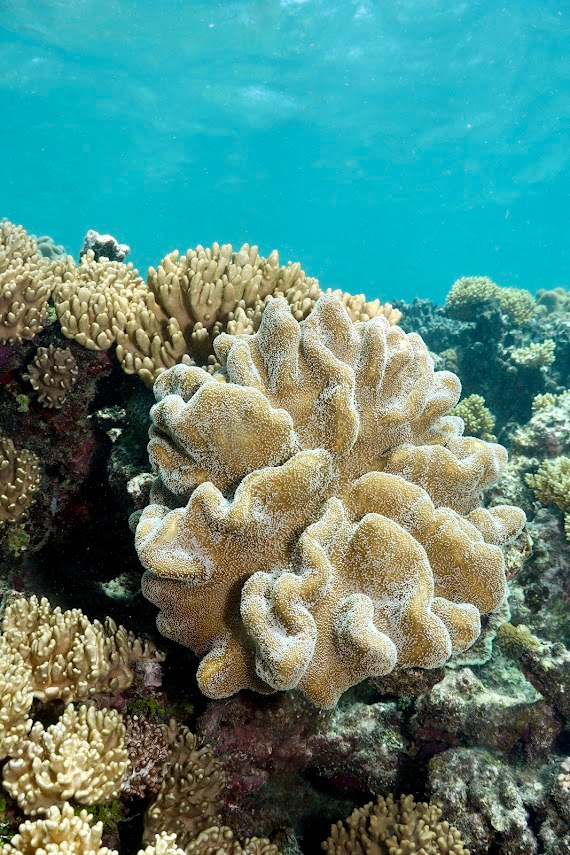
Coral may look like rock, but it’s actually made up of tiny animals called polyps. Some massive coral bommies on the outer reef are hundreds of years old, growing only a few millimeters per year. That giant coral head beneath you? It was alive when Mozart was composing.
4. The Reef Has Its Own Weather System
The Great Barrier Reef influences local weather by warming air above it, helping create clouds and rain. Scientists call it a “reef-induced cloud effect.” In other words, the reef shapes the environment.
5. More Than 1,500 Species of Fish Live Here
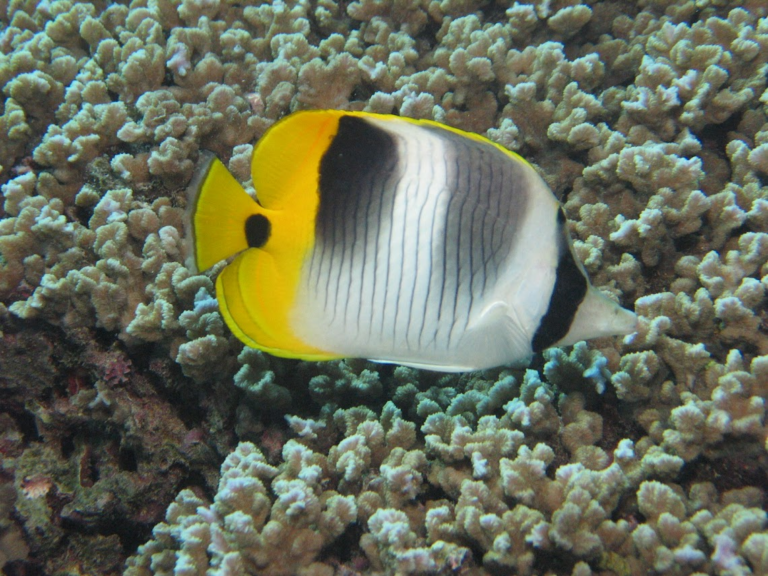
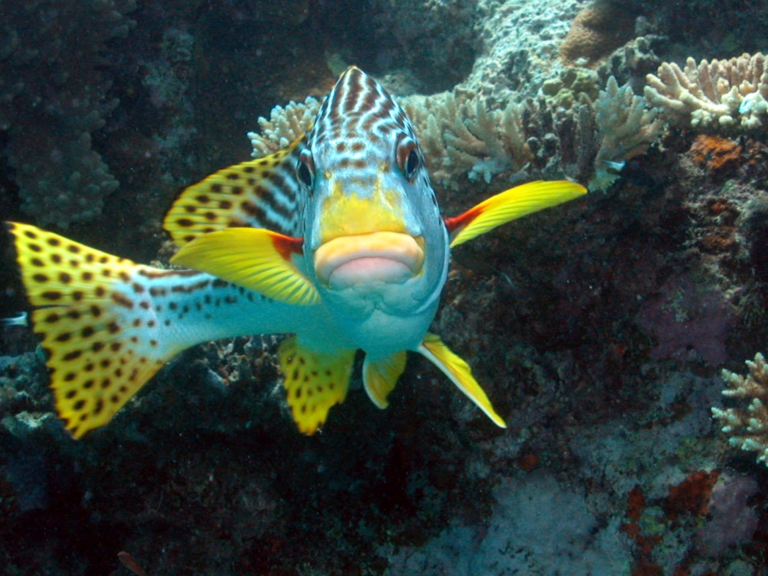
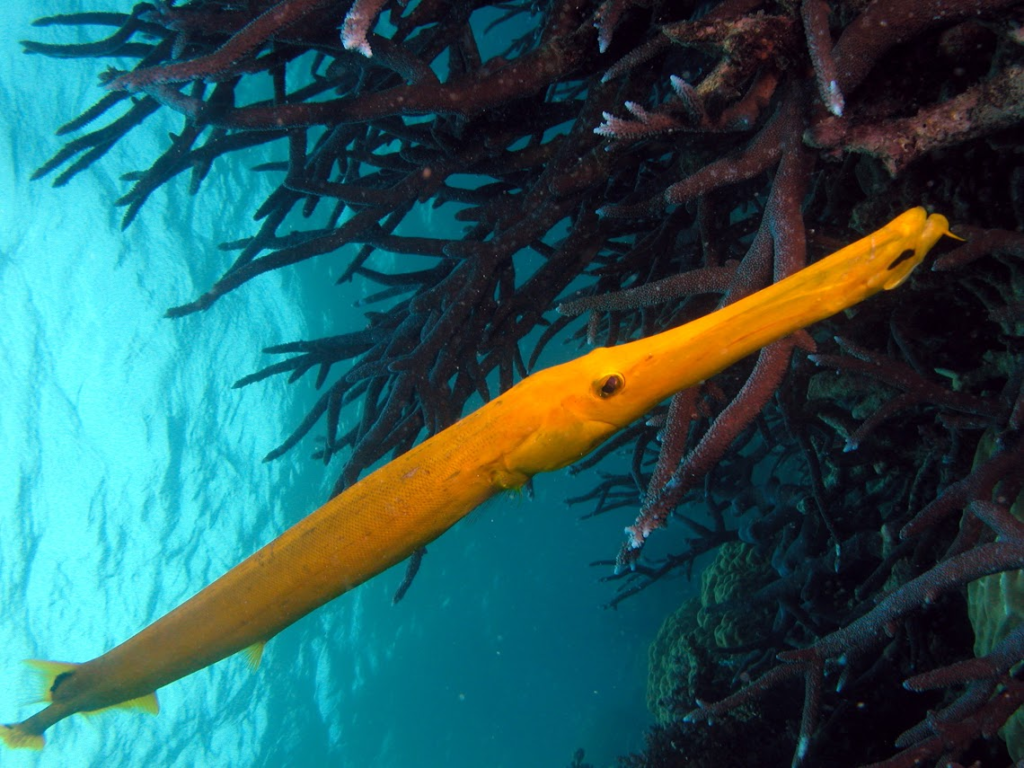
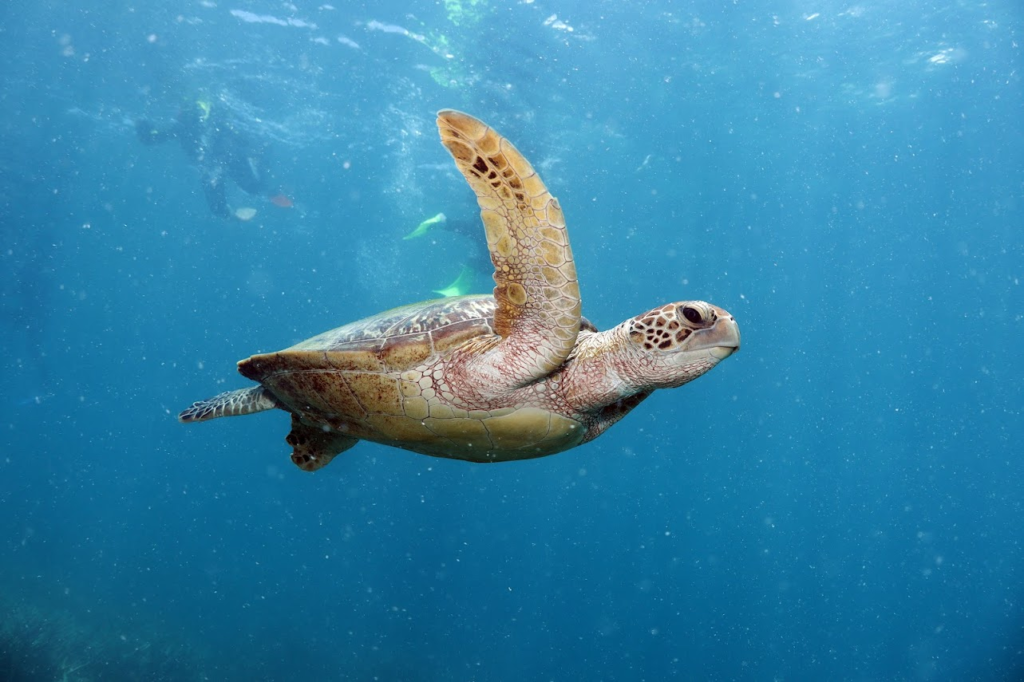
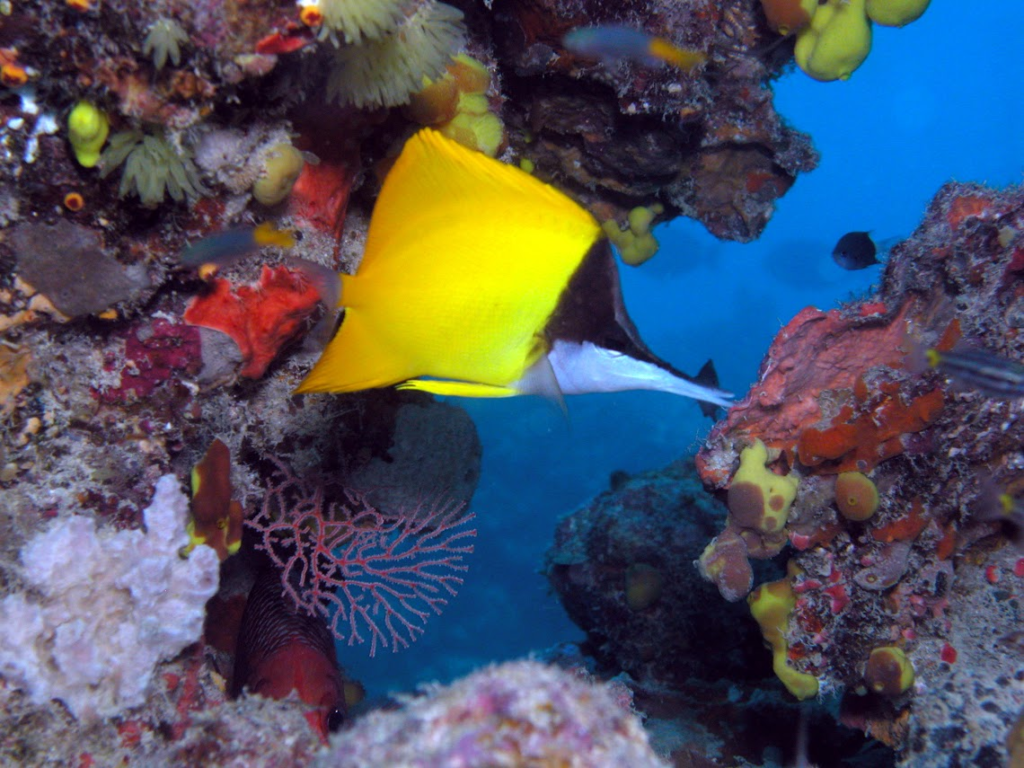
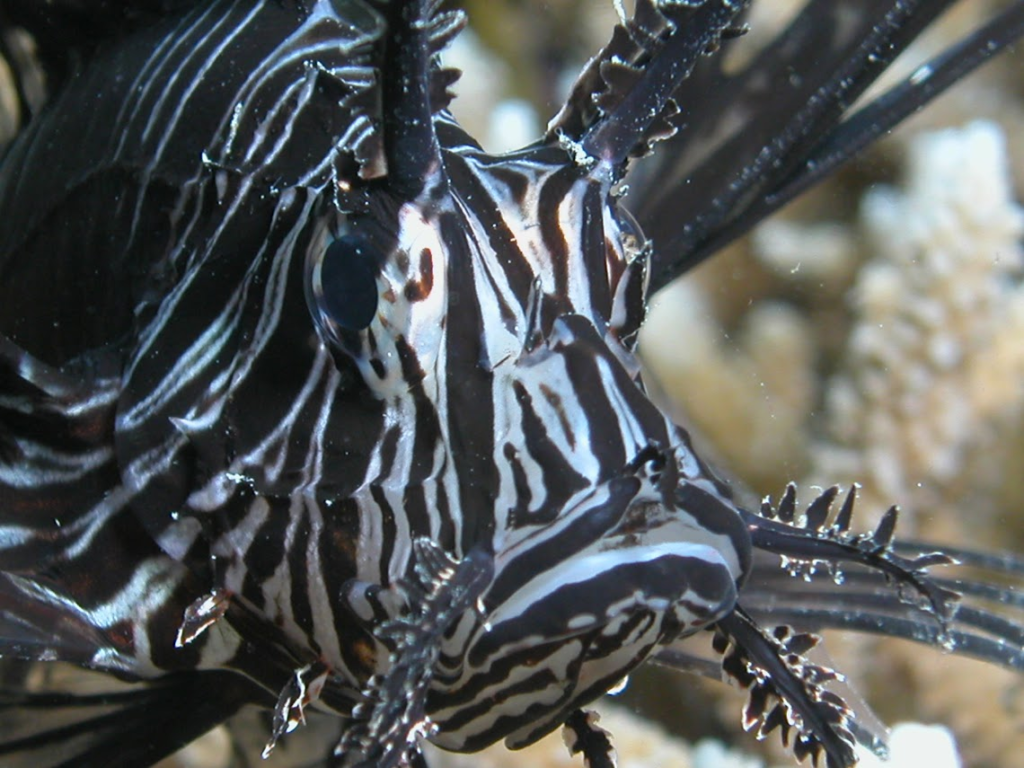
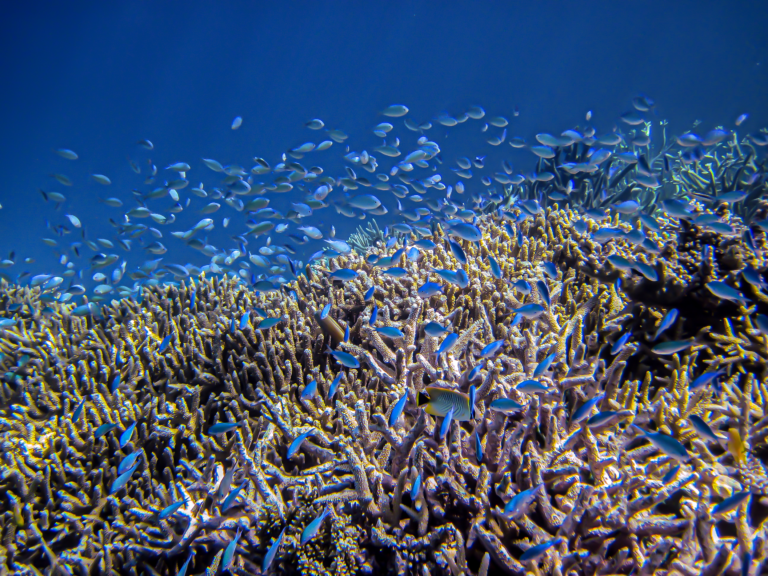
From tiny neon-blue damselfish to reef sharks, giant potato cod, and manta rays, the outer reef hosts a staggering range of life. And that’s just on a casual snorkel like my two-hour underwater adventure.
6. The Drop-Offs Are Dramatic
One moment you’re floating over coral at 20 feet. The next, the reef edge plunges thousands of feet into the Coral Sea.
7. Indigenous Australians Have Known This Reef for 60,000+ Years
Long before it was called the Great Barrier Reef, Aboriginal and Torres Strait Islander peoples had deep cultural, spiritual, and navigational knowledge of these waters. Reef features appear in “Dreamtime” stories about the creation of the world.
8. Coral Spawning Is One of Nature’s Great Spectacles
Yearly, usually after a full moon, corals release billions of eggs and sperm simultaneously in a synchronized event known as coral spawning, visually an underwater blizzard… essential for reef regeneration.
9. One of the Most Studied Ecosystems on Earth
Cairns is a global hub for reef research, and much of what we know about coral resilience, climate adaptation, and marine biodiversity comes from this very stretch of ocean.
10. Visiting Responsibly is Essential
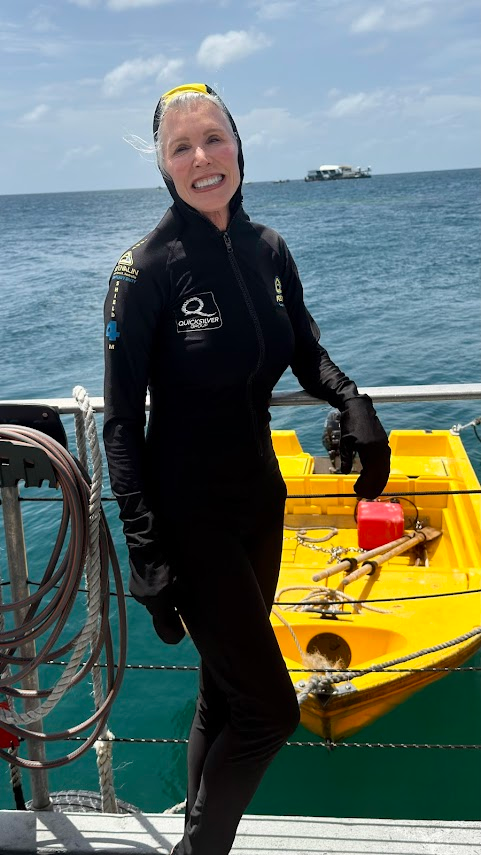
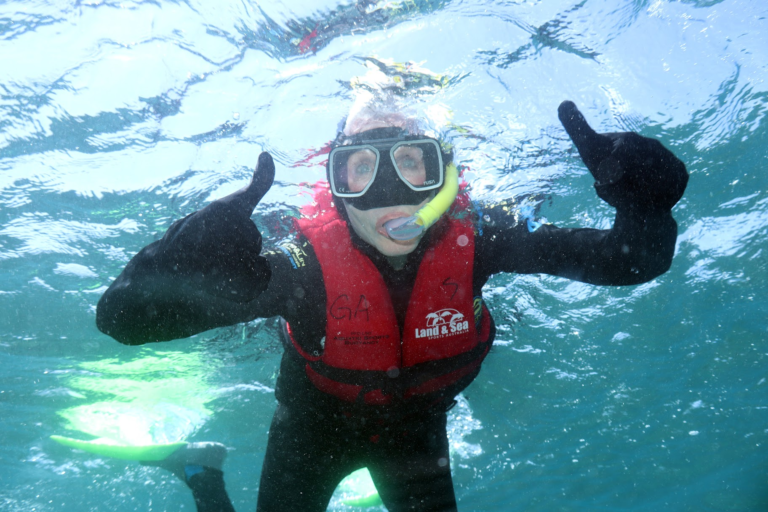
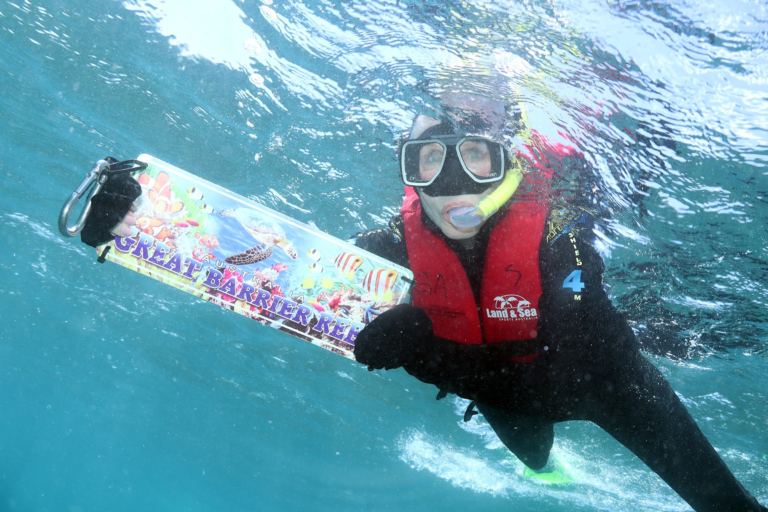
Tour operators on the outer reef are tightly regulated and often contribute directly to conservation and research. Choosing certified eco-operators like the one I used, wearing wetsuits and not touching coral all help protect this fragile ecosystem.
Our tour guides also shared many of these photos with me, taken on site.

Cairns offers a front-row seat to one of Earth’s greatest natural wonders.
The reef is ancient, alive and, at least for now, still here—waiting.