Exploring Elbasan and Tirana: Heartbeats of Albania and the Legacy of Skanderbeg
When you wander through central Albania, two cities capture the soul of the nation: Elbasan and Tirana. Each offers a distinct glimpse into the country’s past and present—Elbasan with its Ottoman echoes and quiet charm, Tirana with its colorful, buzzing energy. And standing tall above both, in history and in spirit, is Gjergj Kastrioti Skënderbeu, Albania’s national hero.
Elbasan: Fortress and Living History
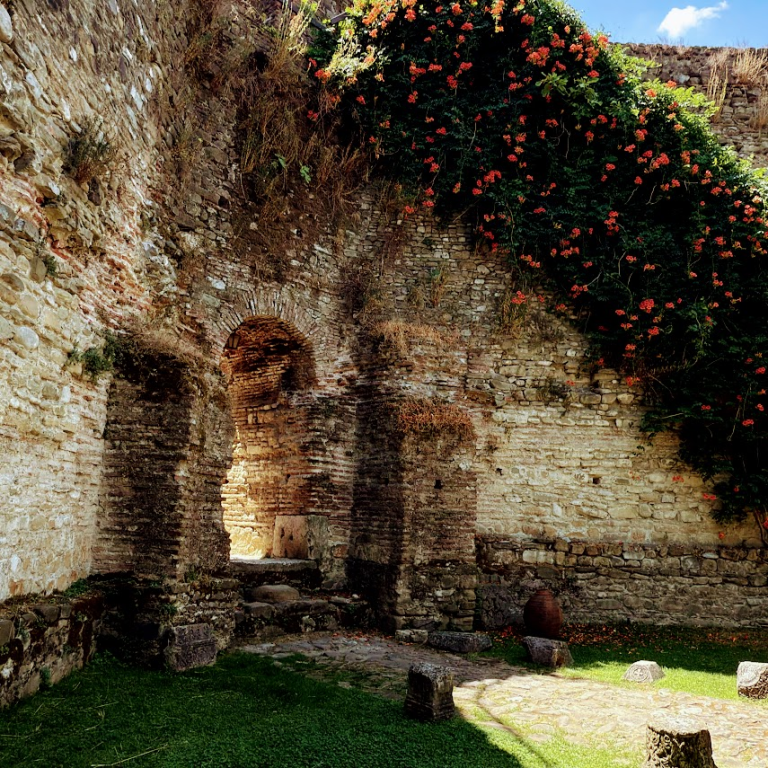
Elbasan lies along the Shkumbin River, a city shaped by centuries of trade and empire. At its heart is the Elbasan Castle, a massive fortress built by the Ottomans in the 15th century. Within its stone walls, life continues as it has for centuries—cobblestoned lanes, old churches and mosques, and cafés where locals linger over strong coffee.
The city was once a stop on the Via Egnatia, the great Roman road connecting the Adriatic to Byzantium. It became a cultural and educational center during Ottoman times, and today it remains a bridge between tradition and modern Albanian life.
Tirana: Vibrant Capital, Modern Energy
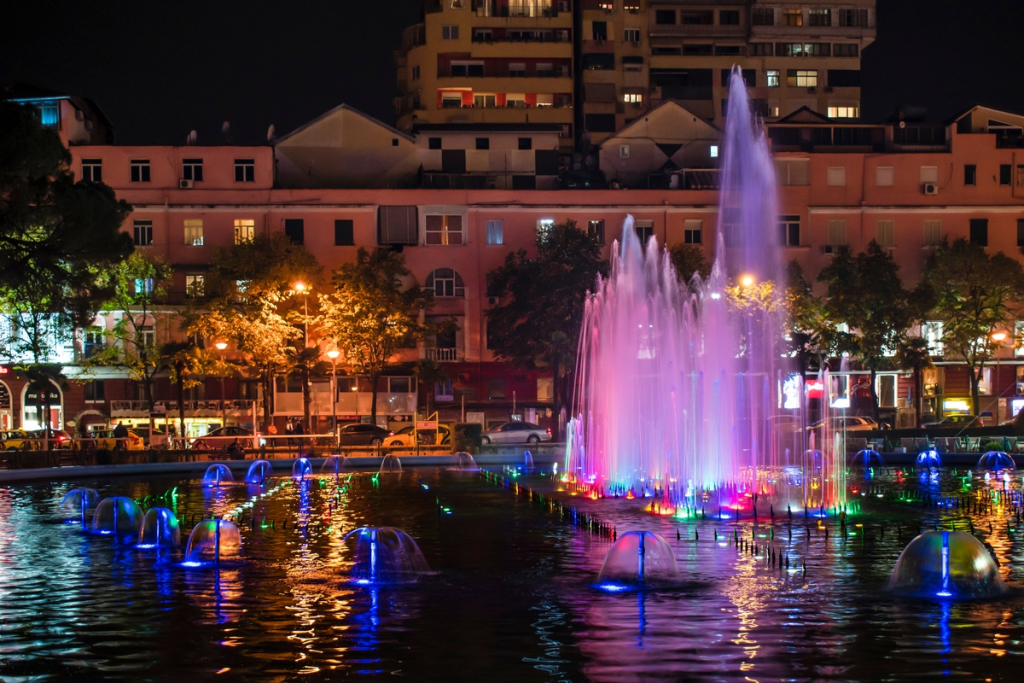
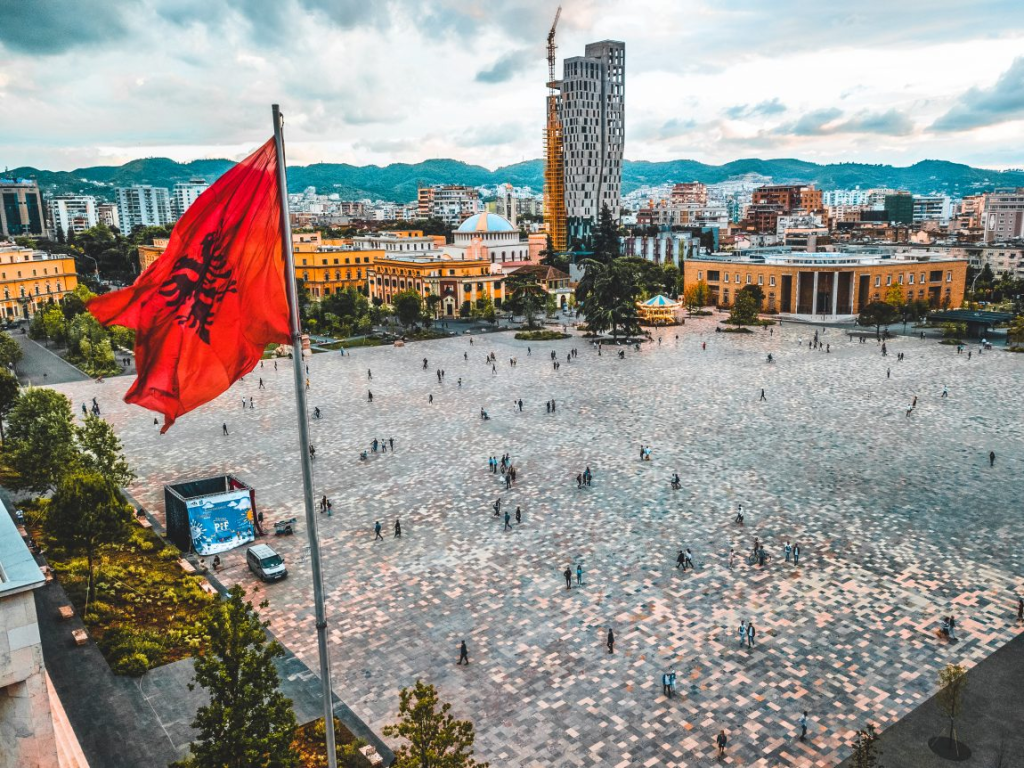
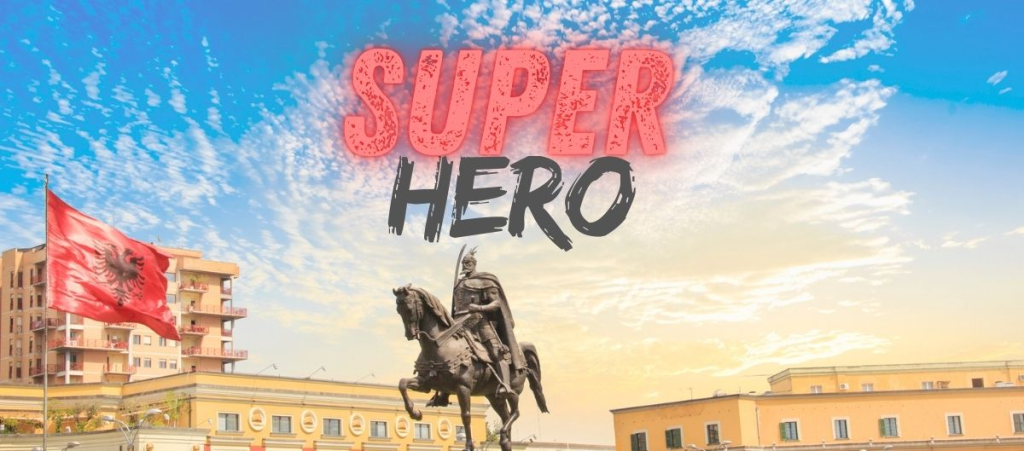
Just an hour’s drive away, I visited Albania’s capital city Tirana with it’s lovely painted facades, busy streets and lively cafés. The city’s centerpiece is Skanderbeg Square, an enormous open plaza named for Albania’s greatest hero. Around it rise landmarks that chart Albania’s turbulent history: the Et’hem Bey Mosque, the National History Museum with its dramatic mosaic, and the towering clock tower.
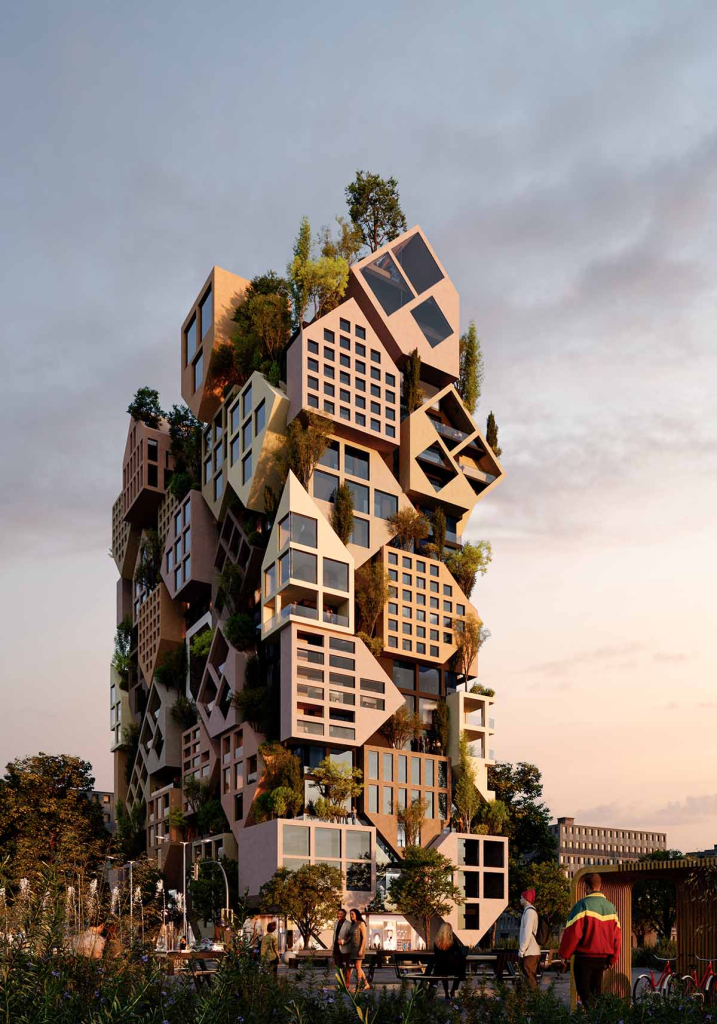
Named Puzzle Tirana, a tower featuring striking façade showcasing various sizes, colors, and shapes of traditional village houses.
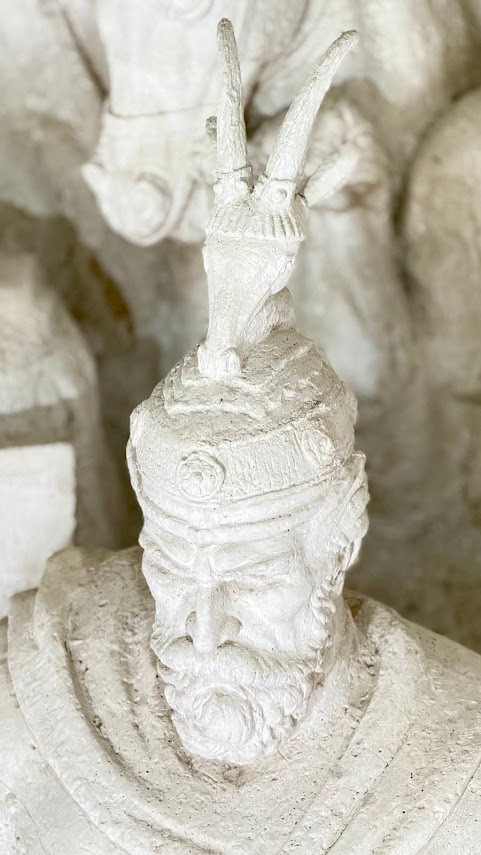
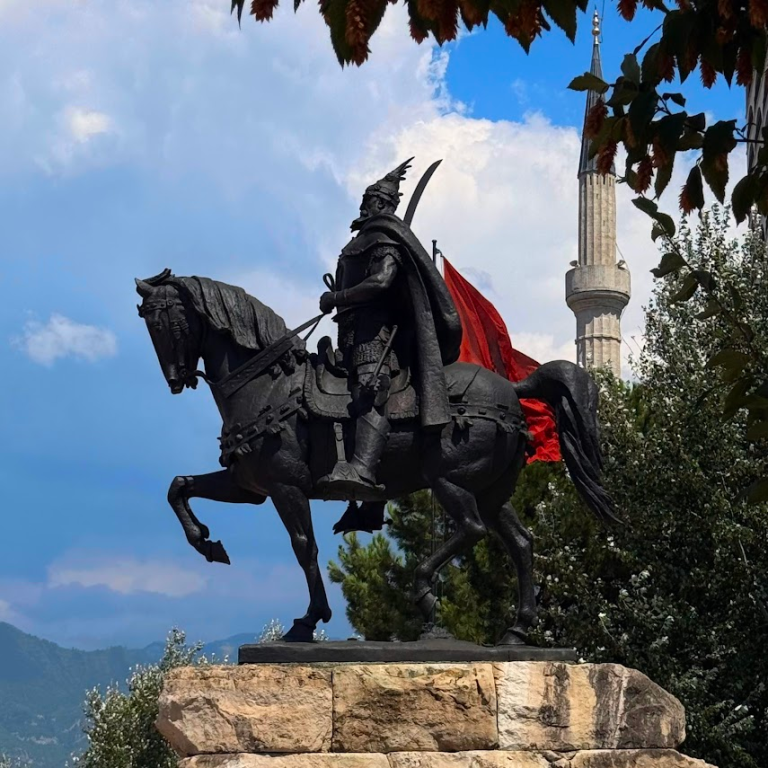
Skanderbeg’s equestrian statue dominates the square—a proud warrior on horseback, sword raised, gaze set forward, a symbol of Albanian identity and independence.
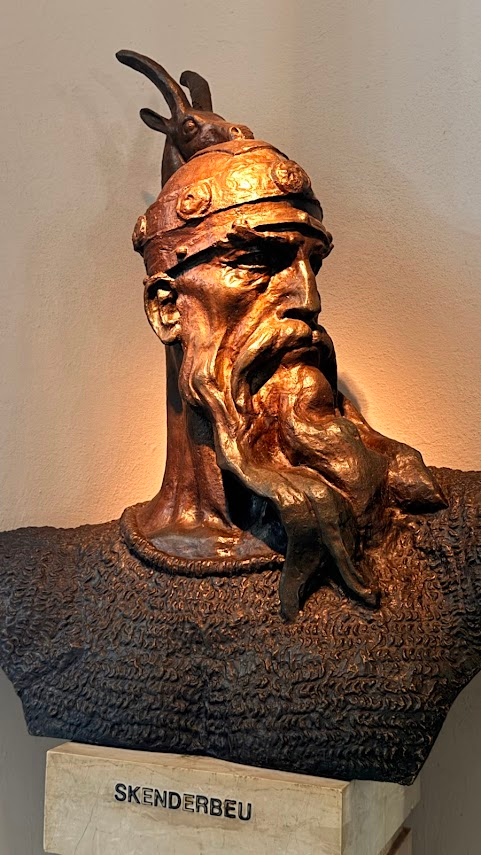
Skanderbeg: Albania’s Super Hero
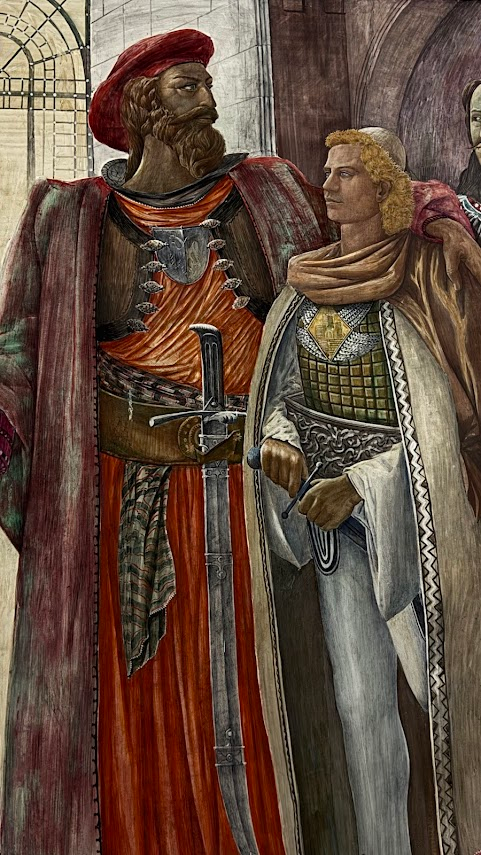
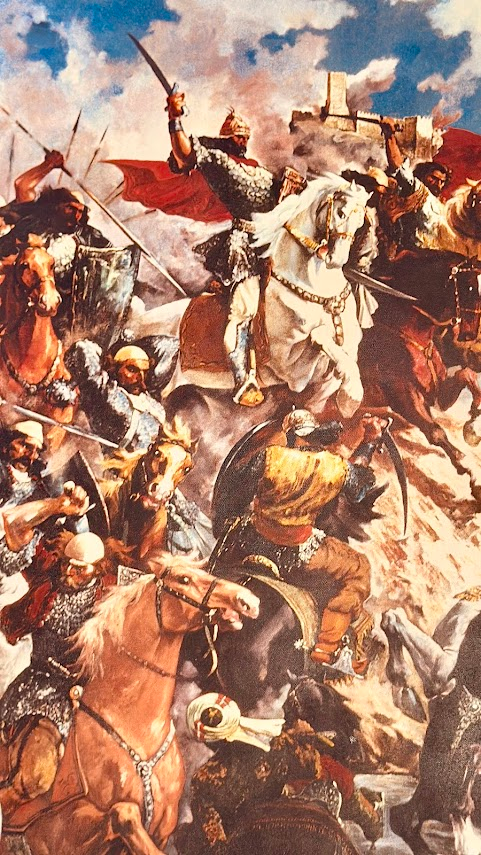
Born in the 15th century, Gjergj Kastrioti Skënderbeu united the Albanian principalities against the expanding Ottoman Empire. For 25 years, he led a resistance that not only protected Albanian lands but also slowed Ottoman advances into Europe. To Albanians, he is more than a warrior—he is the embodiment of courage, strategy, and national pride.
Everywhere in Albania, you’ll find his name—on streets, squares, universities, even the airport in Tirana. But nowhere is his presence more powerful than Skanderbeg Square, where locals gather for celebrations, protests, and daily life under his watchful gaze.
Albania was the perfect ending to my four country Balkan adventure and complement to my earlier visits to Croatia, Slovenia and Montenegro. The incongruities are striking, EU and Schengen member countries or not, politically diverse, different languages, monetary systems, cultures but sharing the seismic, reordering of lives in 1991 with the break-up of the former Soviet Union.

Really enjoyed this—nice blend of Skanderbeg’s story and travel ideas. One tiny add that would help first-timers: a quick “history trail” map (Krujë castle → Lezhë memorial → Petrela) with opening hours/average drive times, plus a note on pronouncing “Gjergj Kastrioti.” That’d make an already engaging read even more practical.