A Broad Traveling Abroad

turkish

Istanbul’s Magic Jungle: A City on Two Continents

To Start…

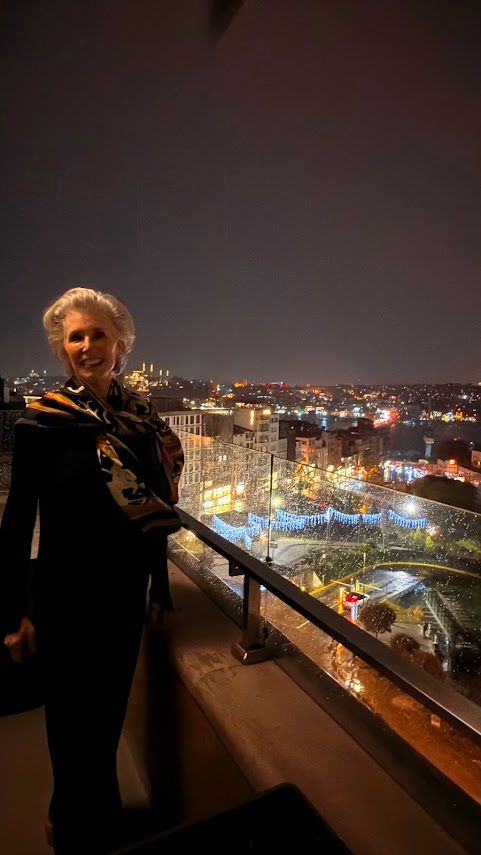
A city forever suspended between east and west, at once Asian and European, one of the most historically textured cities I have ever visited!  Magical, mysterious and crowded with over twenty million inhabitants. Called a “jungle” due crowded streets and traffic but clean with little street crime. I felt safe and welcomed throughout this remarkable city. 

I love Istanbul’s visceral energy: pungent aromas of roasted coffee, food carts filled with roasting chestnuts and blackened ears of corn, rainbows of “Turkish Delight”, (also called lokum,  a family of confections stuffed with chopped dates, pistachios, hazelnuts or walnuts flavored with rosewater) and  the ubiquitous “blue eye” or navar offering protection from evil.  What are the roots of modern Turkish tradition and how did this city develop over almost three thousand years? 

Ancient Beginnings — Byzantium (7th Century BCE)

Istanbul began as Byzantium, a Greek colony founded around 660 BCE by settlers from Megara. They chose the site for its perfect natural harbor (the Golden Horn) and commanding view of sea trade routes. Even then, it was a crossroads — a lookout point between continents.

For nearly a thousand years, Byzantium remained a modest but strategic city, changing hands through classical wars and rising as a trading port along ancient Mediterranean routes.

The Rise of Constantinople (330 CE)

Everything changed with Emperor Constantine the Great.

In 330 CE, he chose Byzantium as the new capital of the Roman Empire, renaming it Constantinople — “City of Constantine.”

It soon became:

  • Capital of the Eastern Roman Empire
  • Center of Christianity after Rome declined
  • Home to imperial palaces, libraries, and learning

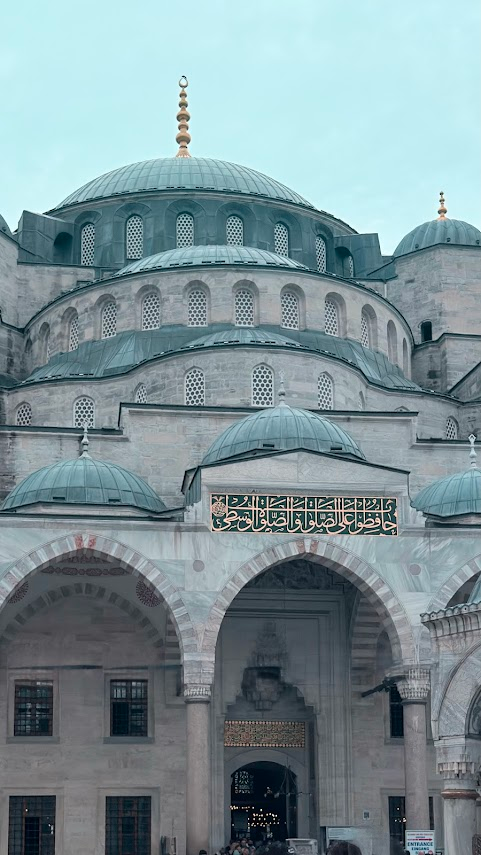
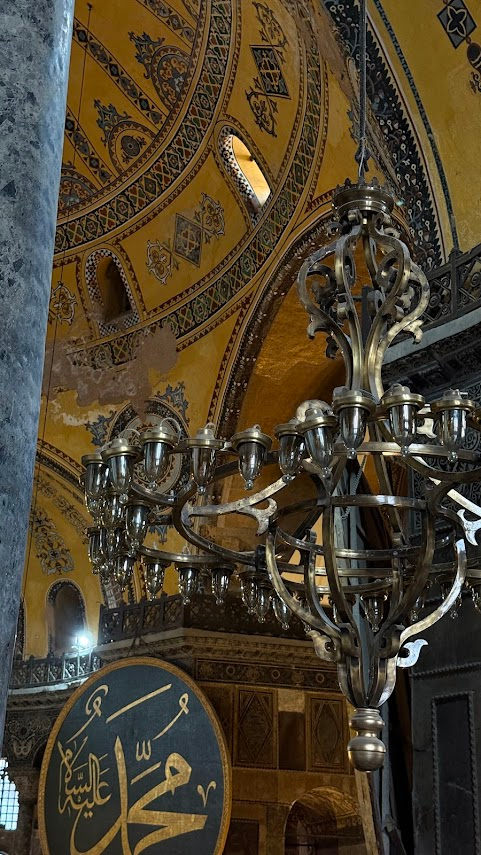
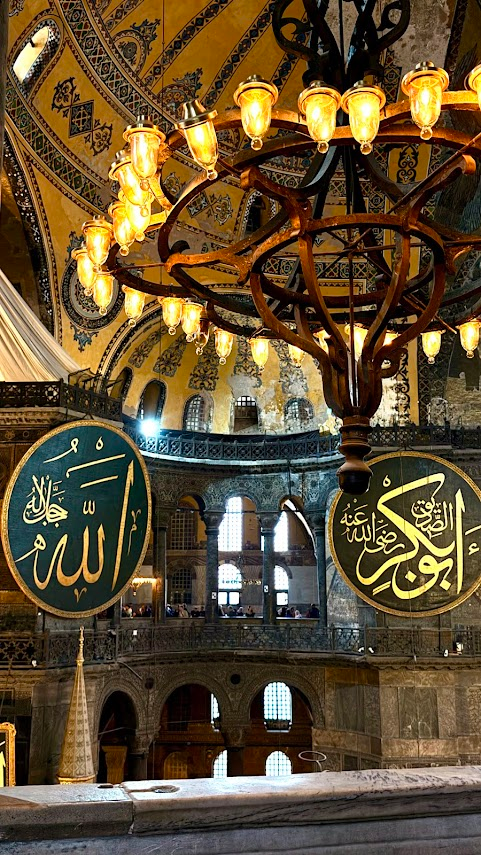
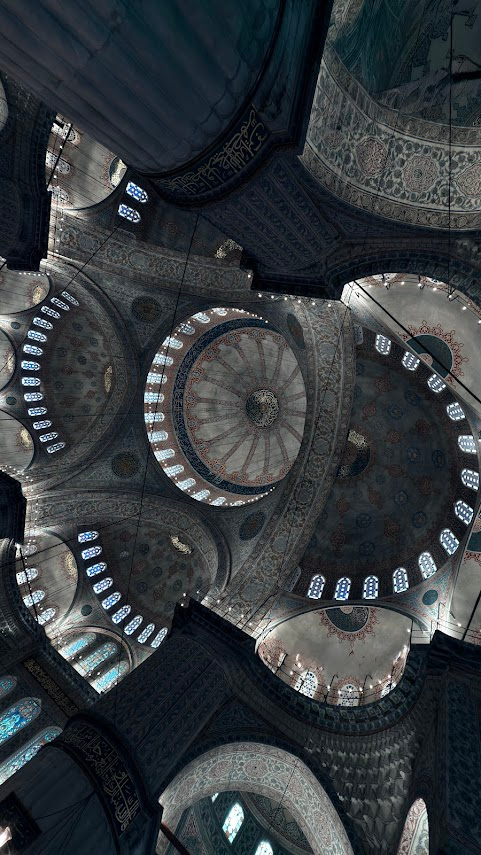
Hagia Sophia, built in 537 under Emperor Justinian, became the crown jewel — the world’s largest cathedral for nearly 1,000 years.

Constantinople thrived for centuries as the richest city in Europe, protected by legendary Theodosian Walls and flourishing through trade between silk roads and spice routes.
hagia 1
img 5056
img 5098
img 5041
The Fall & the Ottoman Transformation (1453)

The city fell on May 29, 1453, to Sultan Mehmed II, known today as Mehmed the Conqueror.

This moment marks the end of the Byzantine Empire and the rise of the Ottoman Empire.

Here’s the key…Mehmed did not destroy Constantinople — he rebuilt it:

  • Hagia Sophia became a mosque
  • New mosques, bazaars, baths, and caravanserais rose
  • People from all backgrounds were invited to repopulate it

Under the Ottomans, the city became the capital of a now global Islamic empire, a center of Islamic scholarship and art…and one of the world’s greatest trading hubs. 

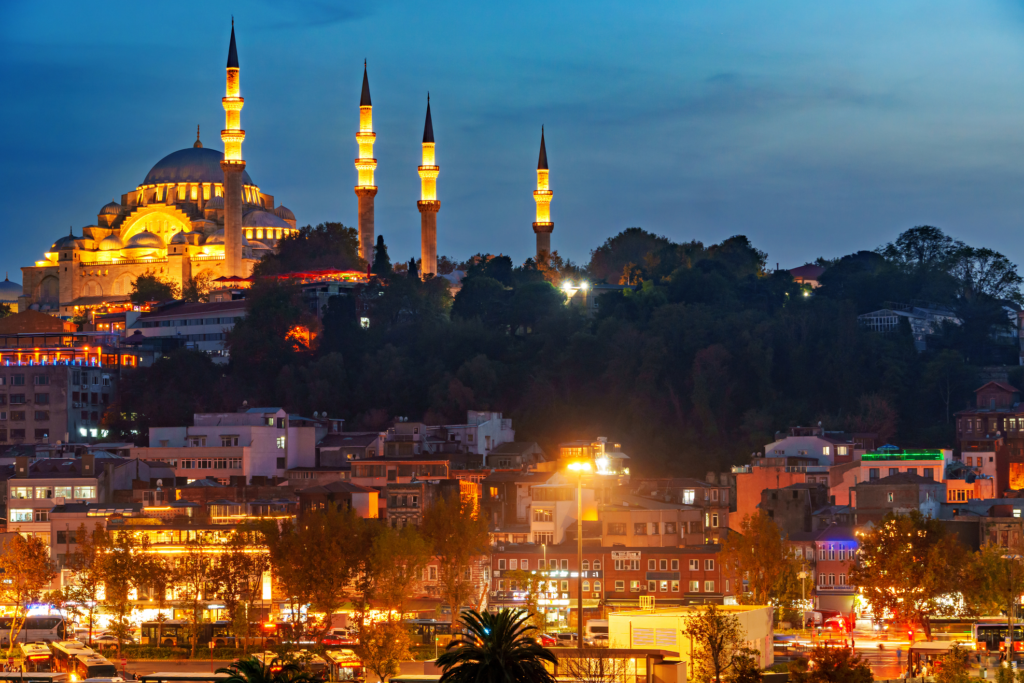
Sultans like Süleyman the Magnificent filled the city with iconic works — including Topkapı Palace and Süleymaniye Mosque.

istock 2191078132
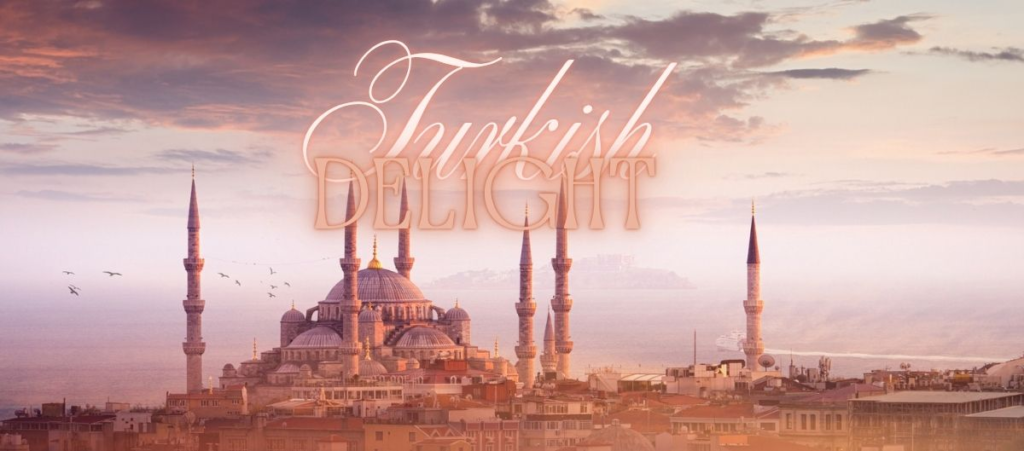
Istanbul night skyline with Suleymaniye or Blue Mosque
Hospitality and Traditions

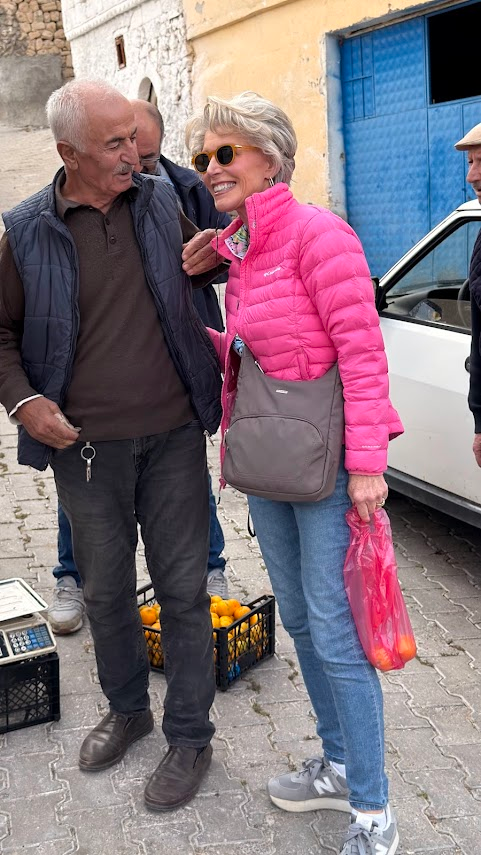
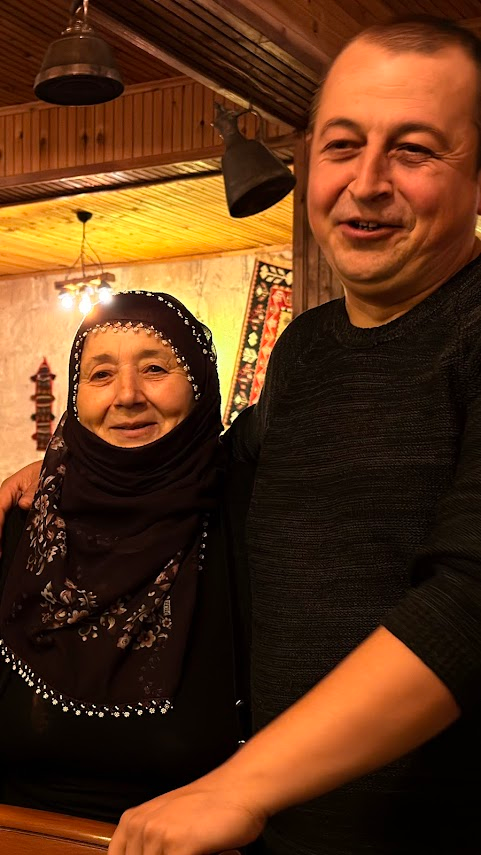
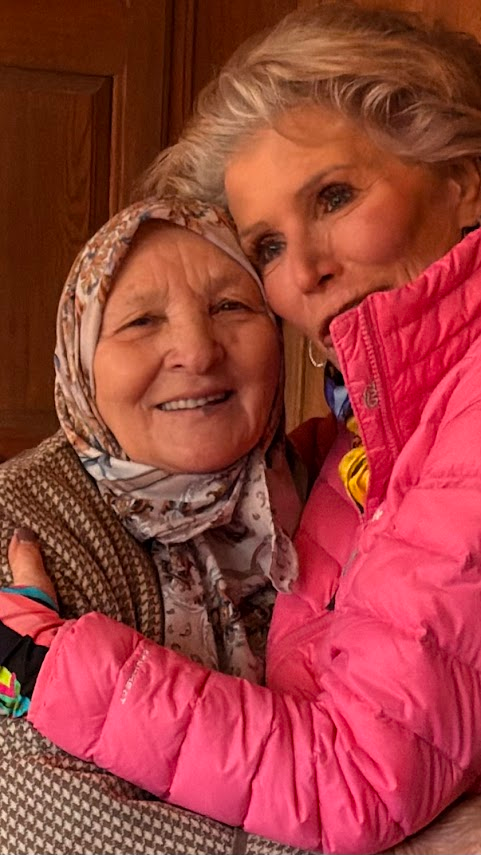
Turkish hospitality isn’t a gesture—it’s tradition. Expect warm welcomes, tea offers, and genuine curiosity.

Food is social and generous. 

And never be surprised if one meal leads to another—Turks love feeding guests.

img 6059
istan
img 5979
img 5573
Stay Tuned for More!

For 400+ years, Constantinople was arguably the most important city on earth. And today it is the stop on this new adventure. Join me!

1 thought on “Istanbul’s Magic Jungle: A City on Two Continents”

  1. You r truly amazing dear friend. Your writing and photography goes way beyond the norm. Your patience and caring in sharing with us is commendable and how you want to educate us. I truly enjoy all of it! Thank you

Leave a Comment

Your email address will not be published. Required fields are marked *