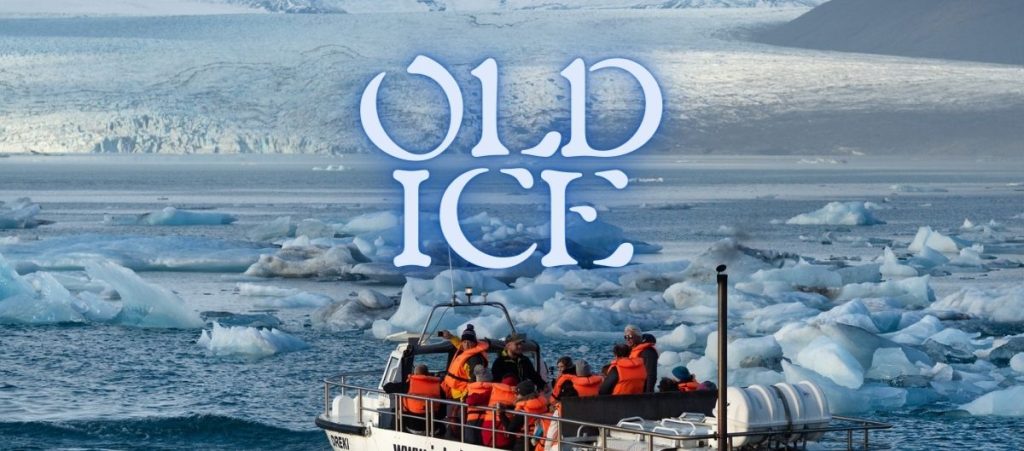
Filling the valley between the mountains with blue-white light. Vatnajökull Glacier in Iceland is the largest glacier in Europe, covering eight percent of Iceland’s landmass.
This glacier looms in the distance. It appears to breathe, a living organism. I can imagine it shape-shifting under its own weight, a moving sea of many century’s old ice.
What is a Glacier? And Why is the Ice So Blue?
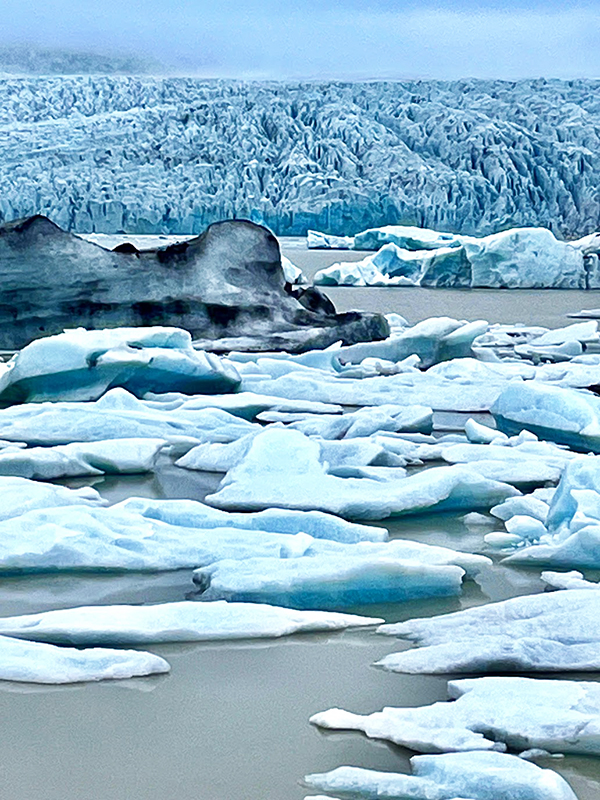
A glacier is a huge, constantly moving mass of ice and snow which forms when snow remains long enough to transform into ice. This is centuries old ice and may have welcomed the country’s first Vikijng settlers in 900 AD.
Glaciers are very sensitive to the changing climate and Iceland’s are melting and visibly receding each year.
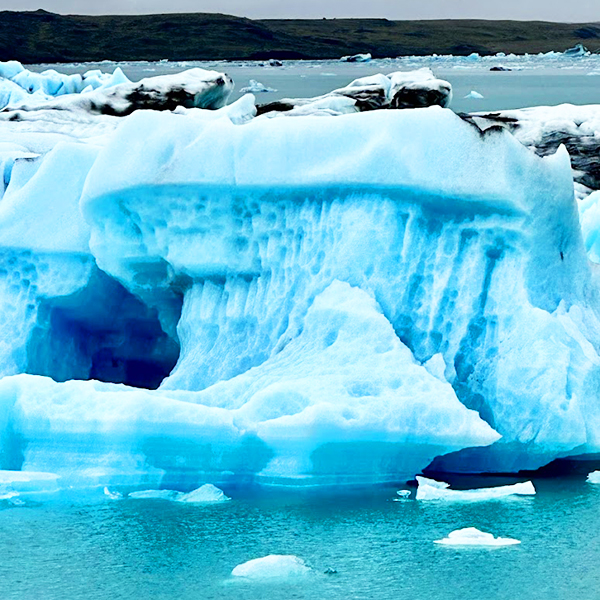
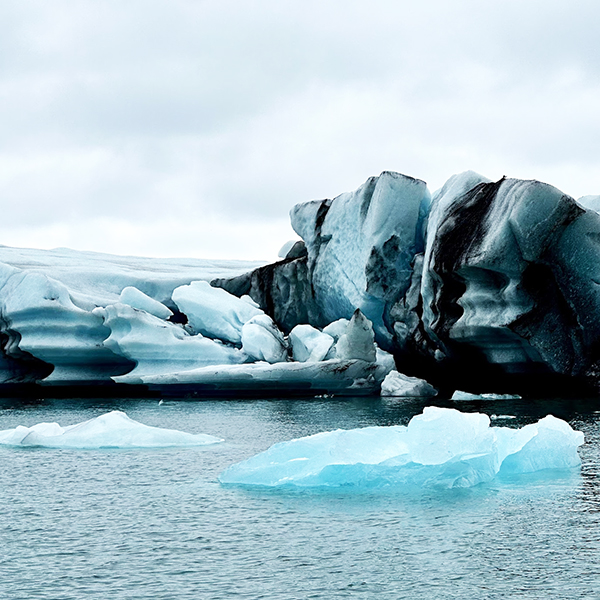
As snow falls on a glacier, it is compressed into ice. Air bubbles are squeezed out by the weight of successive snowfalls and remaining ice crystals enlarge. This makes the ice appear beautifully, brilliantly blue.
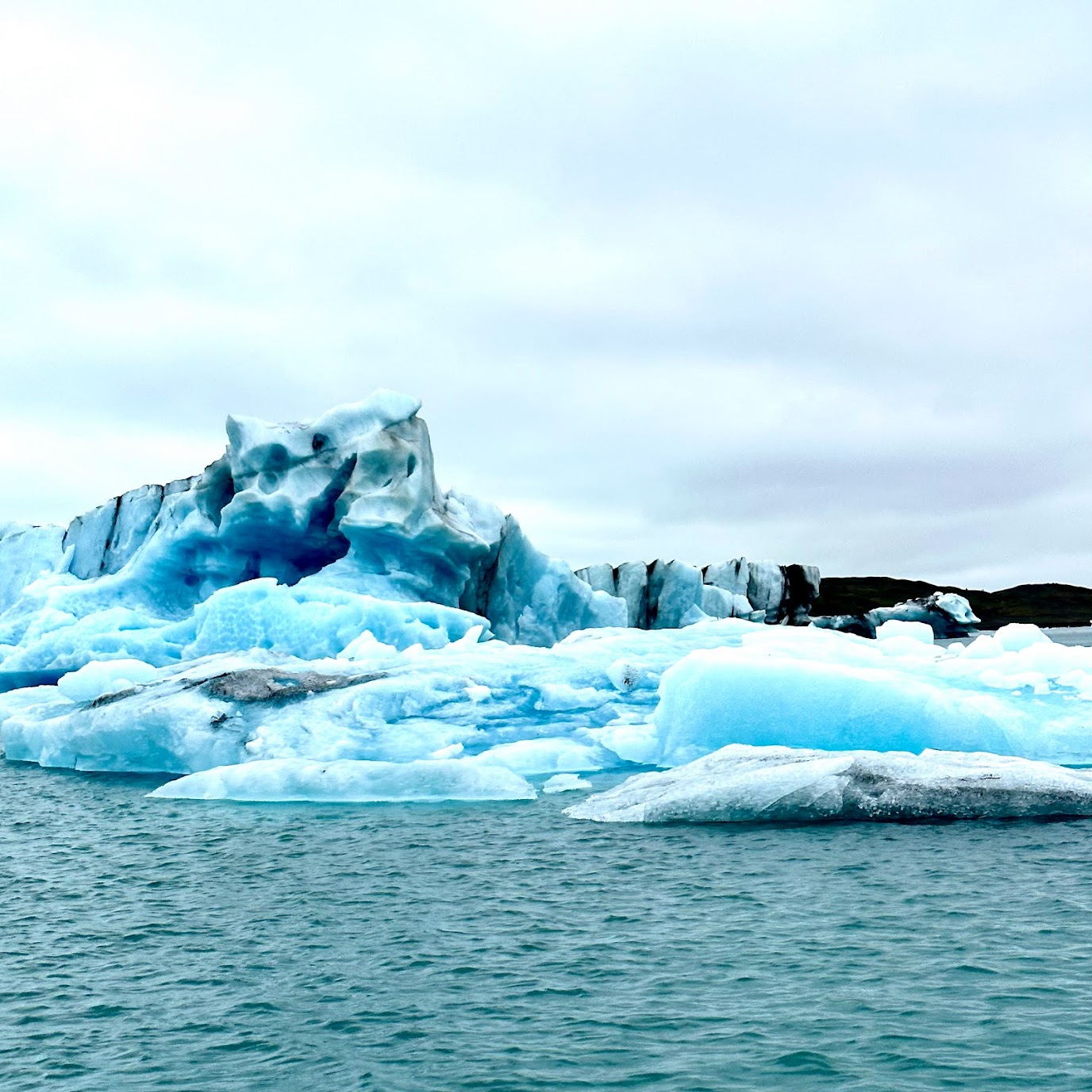
Water is very good at absorbing light. Blue light, since it has the most energy of all the spectral colors, has the most energy. It is the only color of light that escapes without being absorbed. The thicker the glacier, the more blue it appears.
How Best to Explore this Old Ice?
Watch the video I took as we approached these iceberg chunks which have calved from the larger glacier and now float in the Jökulsárlón Glacier Lagoon.
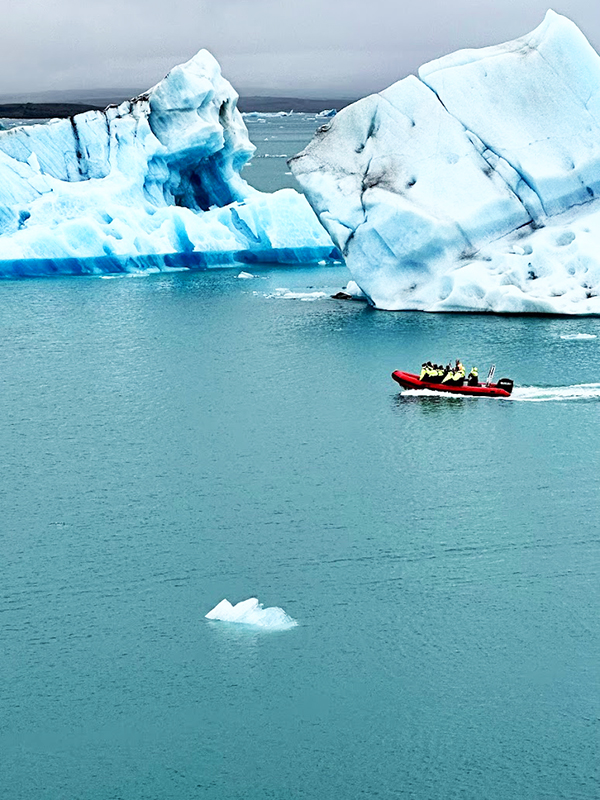
Taking a boat tour of Jökulsárlón Glacier Lagoon is the best way to experience the beauty and majesty of this natural wonder. From the water, you can get up close and personal with the towering icebergs and see the intricate details of their shapes and colors. You may even spot seals swimming in the lake
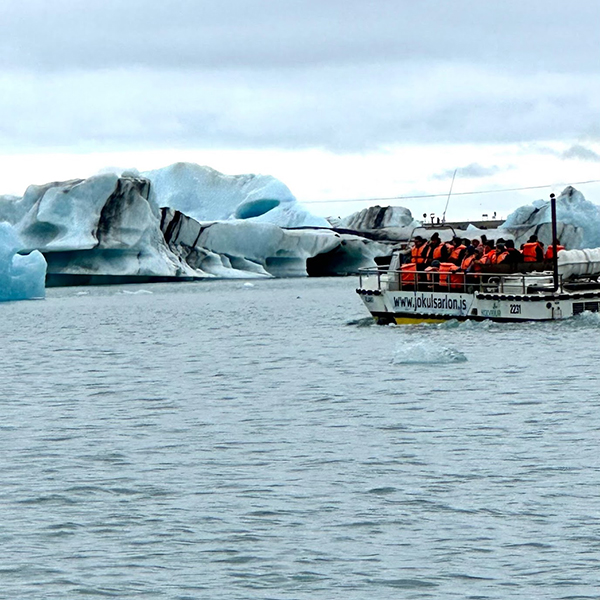
The lagoon is close to highway number one, the main road or “Ring Road” encircling the country and about 230 miles east from Reykjavík. Even in July, it can be cold and windy; dress in layers, wool hats and mittens!
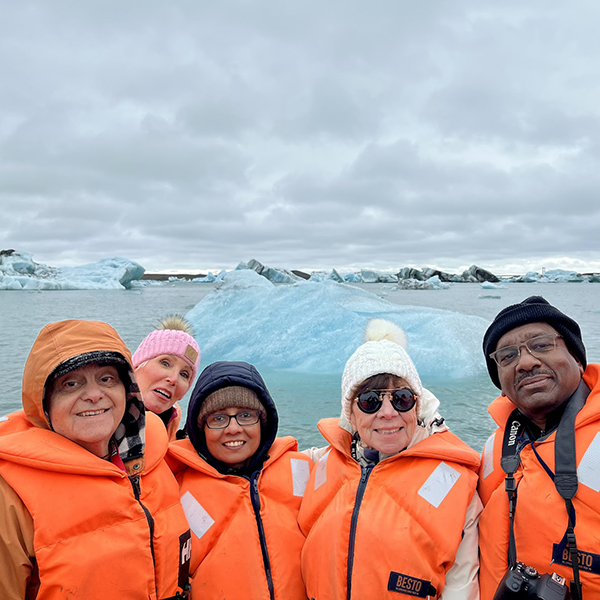
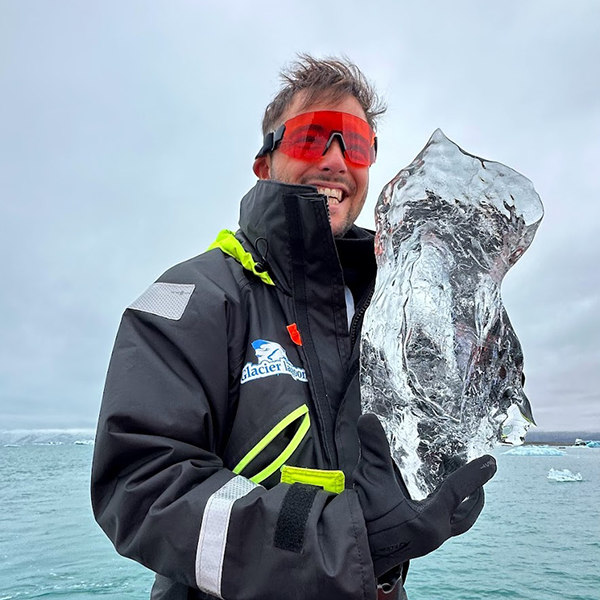
Huge blocks of ice constantly break off the glacier and large icebergs float on Jökulsárlón Glacier Lagoon. Easily navigable during our 45 minute amphibious boat ride, it is the deepest of all the country’s lakes.
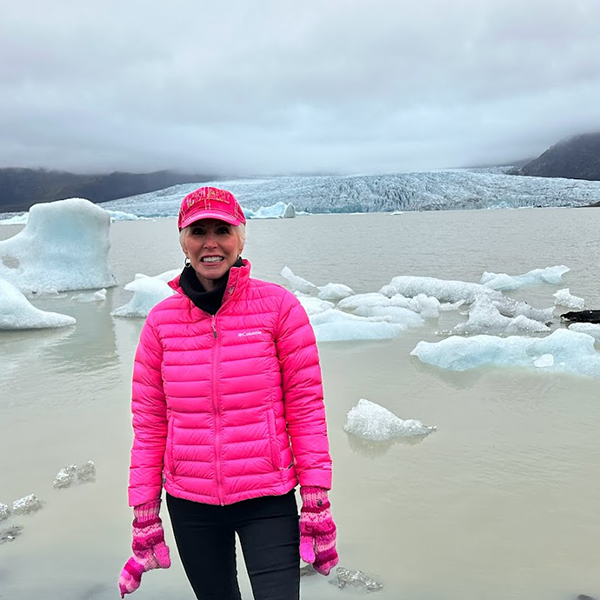
While nearby you can also visit…
Diamond Beach
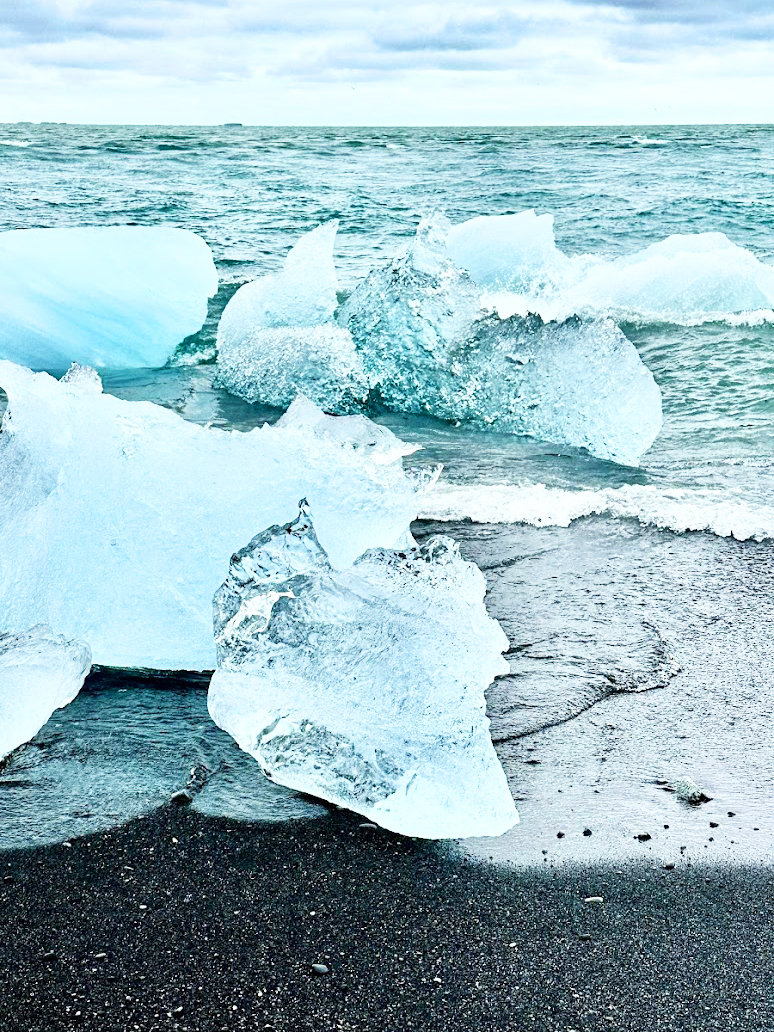
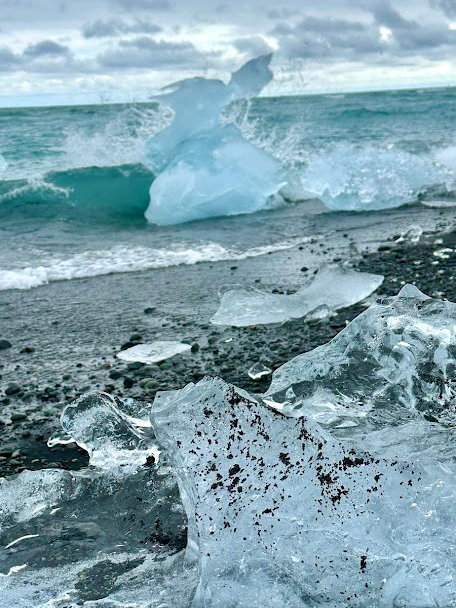
Jokulsarlon translates to “Glacier’s River Lagoon.” Jokulsarlon is one of Iceland’s natural crown jewels, and the nearby black beach has coined the name Diamond Beach, as the ice chunks lying on it resemble diamonds glistening in the sun. Diamond Beach is very close to the lagoon. In fact, Jökulsárlón Glacier Lagoon feeds into the sea at Diamond Beach, which is where all the ice comes from. You can walk from the shore of the lagoon to the beach in two minutes, just across the road. Diamond Beach with its black sands and magnificent, seawashed chunks of ice was one of the highlights of my trip!
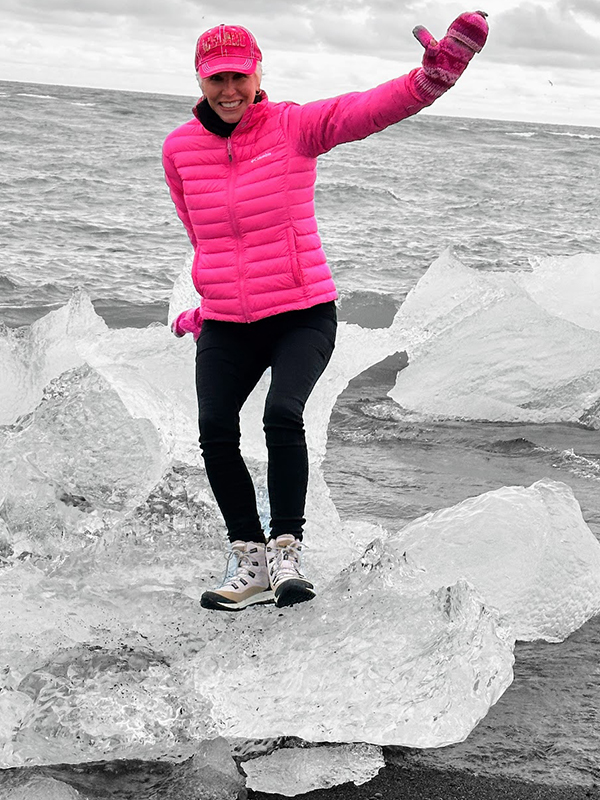
Worth a visit!!!